10 Easiest Flowering Indoor Plants for Beginners (Low-Maintenance)


Want colorful blooms indoors without the hassle? You’re in the right place.
I used to think flowering plants were too complicated for beginners like me. Then I discovered African violets blooming happily on my kitchen counter with almost zero effort. That changed everything about how I saw indoor flowering plants.
The truth is, many flowering houseplants are incredibly forgiving. They bloom reliably even when you make mistakes. Some flower nearly year-round with basic care that takes just minutes per week.

In this guide, I’m sharing the 10 easiest flowering indoor plants that actually work for beginners. These aren’t temperamental divas – they’re tough bloomers that reward you with gorgeous flowers while tolerating the learning curve.
Why Start with Flowering Plants as a Beginner?
Most new plant parents assume flowering plants need expert skills. That’s a myth that keeps people from enjoying beautiful blooms.
The Real Benefits of Flowering Plants
Flowering plants do more than look pretty. Research shows they reduce stress more effectively than foliage-only plants. The colors trigger actual mood improvements in your brain.
But here’s what I love most: flowers give you instant feedback. When your plant blooms, you know you’re doing something right. That’s incredibly motivating when you’re just starting out.
Flowering plants also teach you faster. You learn to read plant signals – when they need water, more light, or a feeding boost. These skills transfer to any plant you grow later.
Why “Easy” Flowering Plants Matter
Easy flowering plants share specific traits that make them beginner-friendly:
They forgive mistakes. Miss a watering? They bounce back. Forget to fertilize? They still bloom.
They communicate clearly. Peace lilies dramatically wilt when thirsty but recover within hours of watering. That’s way easier than guessing moisture needs.
They bloom reliably. You don’t need perfect conditions. Give them decent light and water, and they reward you with flowers.
Starting with easy species builds your confidence. Each successful bloom proves you can do this. That confidence helps you tackle more challenging plants later.
What Makes a Flowering Plant “Easy” for Beginners?
Not all flowering plants are created equal. The easiest ones share key characteristics that match beginner capabilities.
Forgiving Watering Needs
Easy flowering plants tolerate watering mistakes. They survive if you forget for a week. They recover from occasional overwatering.
The best bloomers give clear signals when thirsty. African violets’ leaves feel soft. Peace lilies droop visibly. You don’t have to guess – they tell you what they need.
Flexible Light Requirements
The easiest flowering plants bloom in typical home lighting. You don’t need south-facing windows or expensive grow lights.
They adapt to different exposures. Put them in an east window for gentle morning sun. Try a west window with afternoon brightness. Many bloom just fine in both locations.
Some even flower in lower light conditions. Peace lilies and certain begonias bloom with just medium indoor light. That’s perfect for apartments or rooms without ideal windows.
Minimal Fertilizing Demands
Easy bloomers don’t need complex feeding schedules. Monthly fertilizing works fine. Some bloom well with quarterly feeding.
They tolerate missed fertilizer applications. Your Christmas cactus won’t stop blooming if you forget to feed it for a few months.
Generic fertilizers work great. You don’t need specialized formulas for each plant. A basic houseplant fertilizer keeps most easy flowering plants happy.
Natural Pest Resistance
The best beginner flowering plants rarely have bug problems. Their leaves naturally resist common pests. Some have built-in defenses that insects avoid.
When pests do appear, they’re obvious and easy to spot. You catch problems early before they become disasters.
Top 10 Easiest Flowering Indoor Plants (Ranked)
These plants represent the most reliable bloomers for beginners. I’ve ranked them from absolutely foolproof to slightly more demanding (but still easy).
1. African Violet: The Beginner’s Best Friend
African violets are the ultimate beginner flowering plant. They bloom almost continuously with minimal care.
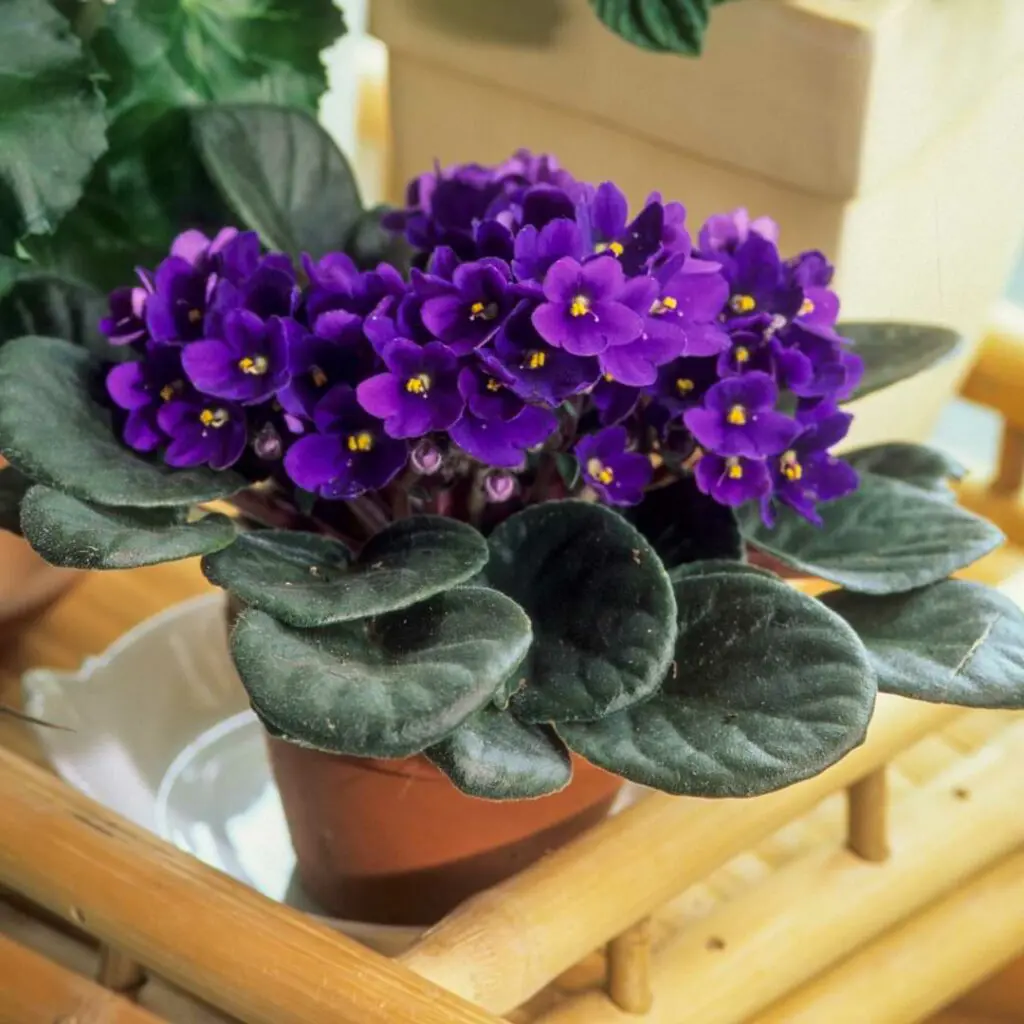
Why it’s #1:
- Flowers appear 10-12 months per year
- Stays compact (perfect for small spaces)
- Recovers quickly from care mistakes
- Huge online community for help
Basic Care:
- Light: Bright indirect light from east or north windows
- Water: Keep soil lightly moist, never soggy
- Temperature: Normal room temp (65-75°F)
- Humidity: Average home humidity works fine
Blooming Tips:
Remove dead flowers regularly. This encourages new blooms to form. Rotate your plant weekly so all sides get equal light.
African violets bloom best when slightly pot-bound. Don’t rush to repot into larger containers.
Common Mistakes to Avoid:
Never use cold water directly from the tap. Room temperature water prevents leaf spotting. Water from the bottom or carefully avoid getting leaves wet.
Don’t overpot. African violets in too-large containers focus on root growth instead of blooming.
2. Peace Lily: Foolproof Elegance
Peace lilies combine incredibly easy care with elegant white blooms. They’re nearly impossible to kill.
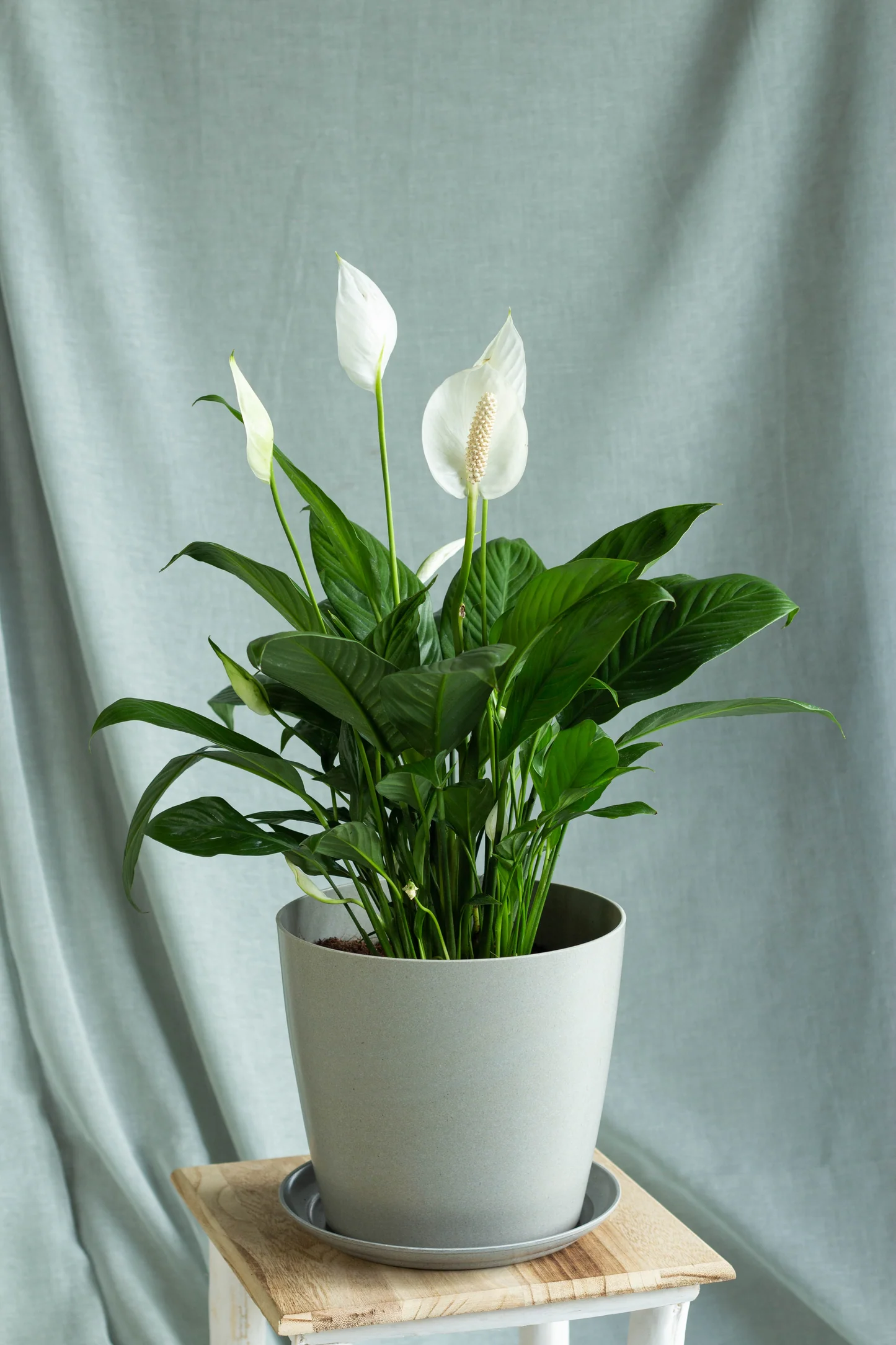
Why beginners love it:
- Droops dramatically when thirsty (clear signal)
- Blooms even in low light
- Recovers from almost any mistake
- Individual flowers last 4-6 weeks
Care Essentials:
- Light: Medium to low light (tolerates offices)
- Water: Let it wilt slightly, then water thoroughly
- Temperature: Average room temperature
- Feeding: Monthly diluted fertilizer
Getting More Blooms:
Increase light if blooming slows. Peace lilies flower more in brighter locations (still avoid direct sun).
Keep soil consistently moist during growing season. Slight drying is okay, but regular moisture supports blooming.
Problem Solving:
Brown leaf tips usually mean fluoride in tap water. Switch to filtered water or let tap water sit overnight before using.
No blooms? Your plant needs more light. Move closer to a window or add a grow light.
3. Christmas Cactus: Set-It-and-Forget-It Blooms
Christmas cactus produces spectacular winter blooms with almost zero effort. Perfect for forgetful beginners.

Beginner Benefits:
- Survives weeks without water
- Lives for decades with basic care
- Blooms reliably every year
- Rarely has pest problems
Simple Care:
- Light: Bright indirect light
- Water: Weekly when growing, less in fall
- Temperature: Cool temps (60-70°F) preferred
- Soil: Well-draining cactus mix
Triggering Winter Blooms:
Give it 6 weeks of cool nights (50-55°F) in fall. This signals the plant to form buds.
Reduce watering in September and October. Stop fertilizing during this period.
Provide 12-14 hours of darkness daily during the triggering period. Keep it in a naturally dark room or closet.
Care Mistakes:
Overwatering kills more Christmas cacti than anything else. Let soil dry between waterings.
Don’t move the plant once buds form. This causes bud drop before flowers open.
4. Begonia: Year-Round Color Machine
Begonias bloom nearly constantly with proper varieties. Some literally flower 365 days per year.
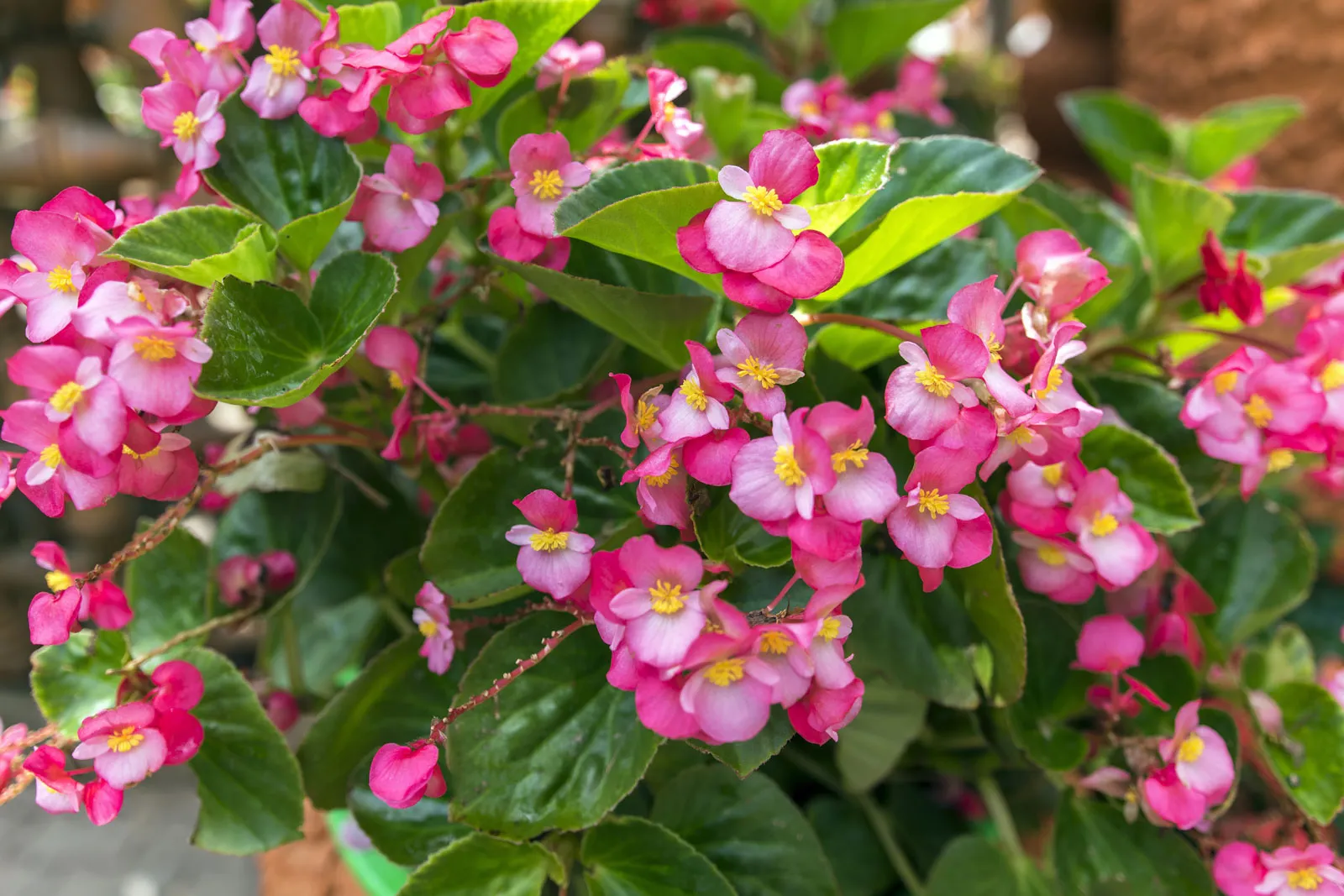
Why it’s easy:
- Continuous blooming with minimal care
- Fast growth shows quick results
- Easy propagation from cuttings
- Colorful leaves even between blooms
Care Requirements:
- Light: Bright indirect light (some tolerate lower)
- Water: Keep evenly moist, not soggy
- Temperature: Warm (65-75°F) is ideal
- Feeding: Every 2 weeks during active growth
Best Beginner Varieties:
Wax begonias are most forgiving. They bloom constantly and tolerate care mistakes.
Dragon wing begonias grow large with massive flower clusters. They’re incredibly vigorous.
Maximizing Blooms:
Deadhead spent flowers regularly. This signals the plant to produce more buds.
Fertilize consistently during growing season. Begonias are heavy feeders when blooming continuously.
Prune leggy growth to keep plants compact. Compact begonias bloom more heavily.
5. Kalanchoe: The Drought Survivor
Kalanchoe blooms beautifully while requiring less water than almost any other flowering plant.
Perfect for beginners who:
- Forget to water regularly
- Travel frequently
- Want long-lasting flowers
- Prefer minimal maintenance
Easy Care:
- Light: Bright light, tolerates some direct sun
- Water: Every 2-3 weeks (seriously!)
- Temperature: Average room temperature
- Humidity: Thrives in dry air
Encouraging Reblooming:
After blooming finishes, give it a 6-week rest period. Provide cool nights (50-60°F) and reduce watering.
Keep it in darkness 12-14 hours daily during this period. This triggers new flower bud formation.
Cut the plant back by one-third after blooming. This encourages branching and more flower clusters.
Common Problems:
Overwatering is the main killer. Let soil dry completely between waterings.
Insufficient light reduces blooming. Kalanchoe needs bright conditions to flower well.
6. Anthurium: Long-Lasting Exotic Blooms
Anthuriums produce glossy, heart-shaped “flowers” that last 2-3 months each. They’re easier than they look.
Beginner Advantages:
- Individual blooms last 6-12 weeks
- Year-round flowering possible
- Clear signals when needs water
- Naturally pest-resistant
Care Basics:
- Light: Bright indirect light
- Water: Keep lightly moist, never soggy
- Temperature: Warm (70-85°F) preferred
- Humidity: Appreciates 60%+ but adapts
Blooming Success:
Bright indirect light is essential for continuous blooming. Too little light means fewer flowers.
Consistent warmth promotes flowering. Cool temperatures below 60°F inhibit bloom production.
Higher humidity encourages more blooms, but average home humidity works.
Troubleshooting:
Brown leaf tips indicate low humidity or fluoride in water. Try filtered water and increase humidity.
Yellow leaves usually mean overwatering. Let soil dry slightly more between waterings.
7. Orchid (Phalaenopsis): Easier Than You Think
Moth orchids have an undeserved reputation as difficult. They’re actually among the easiest flowering plants once you understand their simple needs.
Why beginners succeed:
- Flowers last 2-4 months per spike
- Clear care instructions usually included
- Widely available everywhere
- Visual root feedback in clear pots
Essential Care:
- Light: Bright indirect light (east or west windows)
- Water: Weekly soaking, then drain completely
- Temperature: Average room temperature works
- Medium: Bark chips, never regular soil
Reblooming Made Simple:
After flowering finishes, cut the spike above the third node from the base. This often produces a new branch of flowers.
Provide cool nights (55-60°F) for several weeks. This temperature drop triggers new flower spikes.
Maintain consistent care throughout the year. Don’t neglect orchids between blooming periods.
Critical Mistakes:
Never plant orchids in regular potting soil. It holds too much moisture and rots roots.
Don’t overwater. Once weekly is usually sufficient. Let roots turn silver before watering again.
8. Lipstick Plant: Unique Cascading Flowers
Lipstick plant produces unusual tubular red flowers that emerge from dark “lipstick tubes.” Great conversation starter with easy care.
Beginner Appeal:
- Unique flowers unlike anything else
- Perfect for hanging baskets
- Blooms most of the year
- Naturally pest-resistant
Care Basics:
- Light: Bright indirect light for best flowering
- Water: Let top inch dry between waterings
- Temperature: Warm (65-80°F)
- Humidity: Prefers 50-60% but tolerates average
Promoting Blooms:
Bright light is more important for lipstick plants than many others. Increase brightness if blooming slows.
Allow slight drying between waterings. Constantly wet soil reduces flowering.
Prune after flowering to encourage branching. More branches mean more flowers.
9. Crown of Thorns: Succulent Bloomer
Crown of thorns combines succulent-level drought tolerance with nearly year-round colorful blooms.
Ideal for beginners because:
- Survives 3-4 weeks without water
- Flowers 9-12 months yearly
- Minimal care requirements
- Pests avoid the toxic sap
Simple Care:
- Light: Bright light, handles direct sun
- Water: Every 2-3 weeks
- Temperature: Warm temperatures (65-90°F)
- Feeding: Quarterly feeding sufficient
Maximizing Blooms:
Maximum light equals maximum flowers. Give it the brightest spot you have.
Minimal watering actually promotes blooming. Slight drought stress triggers flowers.
Important Safety Note:
Crown of thorns produces milky sap that irritates skin and eyes. Wear gloves when pruning.
Keep away from curious pets and children. The sap is toxic if ingested.
10. Bromeliad: Set-It-and-Forget-It Exotic
Bromeliads produce spectacular flowers lasting 3-6 months. They’re truly low-maintenance once you understand their unusual care needs.
Beginner-Friendly Features:
- Blooms last months (not weeks)
- Minimal watering needed
- Exotic appearance with easy care
- Produces new plants (pups) for free
Unique Care:
- Light: Bright indirect light
- Water: Fill central cup weekly
- Temperature: Average room temperature
- Feeding: Quarterly with diluted fertilizer
Understanding Bromeliad Blooms:
Each plant blooms only once in its lifetime. But the flower display lasts 3-6 months.
After blooming, the parent plant produces “pups” (baby plants). These eventually bloom themselves.
The parent slowly dies after producing pups. This is normal, not a care failure.
Special Care Notes:
Keep the central cup filled with fresh water. This is more important than soil watering.
Use rainwater or distilled water when possible. Bromeliads prefer it over tap water.
Essential Care for All Flowering Plants
While each species has preferences, understanding universal principles ensures success across your collection.
Light: The #1 Factor for Blooms
Insufficient light is the main reason flowering plants don’t bloom. Light fuels both growth and flower production.
Reading Your Light:
Bright indirect means 4-6 feet from a sunny window. You can read comfortably without lights on.
Medium light occurs 5-8 feet from windows. Shadows are soft, not sharp.
Low light is too dim for most flowering plants. North-facing windows or spots far from light sources.
Quick Light Test:
Hold your hand between the light source and a surface. A sharp, defined shadow means bright light. A soft, blurry shadow indicates medium light. No visible shadow equals insufficient light for blooming.
Winter Light Problems:
Natural light drops 50% or more in winter. Move plants closer to windows during short winter days.
Consider grow lights for consistent year-round blooming. They make a huge difference during winter months.
Watering Without Killing Your Plants
More flowering plants die from overwatering than any other cause. Learning proper watering technique saves your plants.
The Finger Test:
Stick your finger 1-2 inches into the soil. If it feels moist, wait to water. If it’s dry, time to water.
This simple test prevents both overwatering and underwatering. Use it weekly on all your plants.
Proper Watering Technique:
Water thoroughly until it drains from the bottom holes. This ensures the entire root ball gets moisture.
Empty saucers 30 minutes after watering. Don’t let plants sit in standing water.
Use room temperature water. Cold water shocks roots and can damage plants.
Seasonal Adjustments:
Plants use less water in winter. Reduce watering frequency during short, cool days.
Summer heat increases water needs. Check soil more frequently during hot weather.
Fertilizing for Maximum Blooms
Strategic fertilizing provides nutrients flowering plants need without causing problems from overfeeding.
Simple Feeding Schedule:
Feed monthly during spring and summer (active growing season). Use diluted liquid fertilizer at half the package strength.
Reduce to every 6-8 weeks in fall. Stop completely during winter for most plants.
Resume regular feeding in spring when growth picks up.
Choosing Fertilizer:
Bloom-boosting formulas work best. Look for numbers like 10-30-20 (high middle number for flowering).
All-purpose fertilizers (20-20-20) work fine too. They support both growth and blooming.
Always dilute to half strength. Full-strength applications can burn roots.
Signs of Fertilizer Problems:
Brown, crispy leaf tips indicate over-fertilizing. Flush soil with water and reduce feeding.
Pale, yellowing leaves suggest under-fertilizing. Increase feeding frequency slightly.
Getting Reluctant Plants to Bloom
Sometimes plants refuse to flower even with good care. These tricks trigger blooming in stubborn plants.
Temperature Manipulation
Many flowering plants need temperature changes to form buds. Cool nights trigger flowering hormones.
Plants Needing Cool Periods:
- Christmas cactus
- Kalanchoe
- Many orchids
- Some begonias
How to Provide Cooling:
Move plants to cooler locations in fall. Unheated garages or basements work if temperatures stay above 50°F.
Position near cool windows at night (but not touching cold glass).
Reduce watering during cool periods. Plants use less water in cool temperatures.
Light Duration Control
Some plants respond to day length, not just light intensity. Controlling dark periods triggers flowering.
Short-Day Plants (Need Darkness):
- Christmas cactus
- Kalanchoe
- Poinsettias
Providing Darkness:
Give these plants 12-14 hours of complete darkness daily for 6 weeks. Any light interruption resets the clock.
Use a closet, spare room, or cover with a box. Consistency matters more than perfection.
Humidity for Better Blooms
Higher humidity supports flower development and prevents bud drop. Dry air causes many blooming problems.
Increasing Humidity Effectively:
Group plants together. They create their own humid microclimate through transpiration.
Use pebble trays. Place pots on trays filled with pebbles and water (pot sits above water level).
Run a humidifier near your plant collection. This is most effective for multiple plants.
Avoid frequent misting. It provides only temporary relief and can promote fungal problems.
Common Problems with Easy Solutions
Even easy flowering plants occasionally have issues. Quick identification and treatment prevent major problems.
Plant Won’t Bloom
Most Common Causes:
- Insufficient light (fix: move closer to window)
- Too much nitrogen fertilizer (fix: switch to bloom formula)
- Plant too young (fix: be patient)
- Wrong temperature (fix: provide cooling period if needed)
Quick Diagnostic:
Check light first. Move to a brighter location and wait 6-8 weeks.
Review your fertilizer. High nitrogen promotes leaves over flowers.
Consider plant age. Some plants need 1-2 years before blooming.
Buds Drop Before Opening
Bud drop indicates environmental stress or sudden changes.
Common Causes:
- Moving plant after buds form
- Low humidity
- Inconsistent watering
- Temperature fluctuations
Prevention:
Don’t move plants once buds appear. Find their spot and leave them there.
Increase humidity when buds develop. Use pebble trays or humidifiers.
Maintain consistent watering. Don’t let soil completely dry out or stay soggy.
Yellow Leaves
Yellow leaves have multiple possible causes. Identifying the pattern helps diagnose the problem.
Overwatering (Most Common):
- Multiple yellow leaves throughout plant
- Soil stays consistently wet
- Leaves feel soft and mushy
Solution: Reduce watering frequency. Improve drainage. Check for root rot.
Underwatering:
- Yellow leaves feel crispy and dry
- Soil pulls away from pot edges
- Plant wilts between waterings
Solution: Water more frequently. Increase amount of water applied.
Natural Aging:
- Only oldest, lowest leaves turn yellow
- Happens gradually over time
- Plant otherwise looks healthy
Solution: Simply remove yellow leaves. This is normal.
Pest Problems
The easiest flowering plants resist pests well, but problems occasionally occur.
Quick Organic Treatments:
For aphids: Spray with strong water stream or insecticidal soap
For spider mites: Increase humidity, spray with neem oil
For mealybugs: Dab with rubbing alcohol on cotton swabs
For fungus gnats: Let soil dry more between waterings, use yellow sticky traps
Prevention: Inspect new plants before bringing home. Check your plants weekly. Keep them healthy with proper care.
Building Your Flowering Plant Collection
Start small and expand as you gain confidence. A few thriving plants beat a dozen struggling ones.
Your First Three Plants
I recommend starting with exactly three plants:
1. African Violet – Continuous blooms, clear care signals, extremely forgiving
2. Peace Lily – Elegant flowers, dramatic thirst signals, tolerates low light
3. Christmas Cactus – Spectacular seasonal blooms, minimal care, long-lived
This combination provides year-round interest with varied bloom times. They have different care needs, teaching you to read different plant types.
Where to Buy
Local nurseries offer the best quality and expert advice. Staff can answer questions and help you choose healthy specimens.
Big box stores sell affordable plants but inspect carefully. Check for pests, yellowing leaves, and overall health before buying.
Online specialists provide access to unusual varieties. Great once you know what you want, but harder for beginners.
Setting Up Success
Choose the right location before bringing plants home. Identify your brightest windows and available space.
Gather basic supplies:
- Watering can with narrow spout
- Liquid fertilizer (all-purpose or bloom booster)
- Moisture meter (optional but helpful)
- Pruning scissors
- Saucers to protect surfaces
Establish a care routine from day one. Pick a weekly watering day. Set monthly fertilizer reminders. Consistency matters more than perfection.
Conclusion
The easiest flowering indoor plants prove that beginners can successfully grow beautiful blooms. You don’t need perfect conditions, expensive equipment, or advanced knowledge.
Start with one of these proven performers. Give it basic care and pay attention to its signals. Within weeks, you’ll see your first blooms – proof that you’re doing this right.
Every expert plant parent started exactly where you are now. They learned by doing, made mistakes, and gained confidence with each success. Your flowering plant journey begins with choosing your first plant today.
Pick an African violet for near-constant blooms. Choose a peace lily for foolproof elegance. Grab a Christmas cactus for spectacular winter flowers. Any of these will reward your care with gorgeous blooms while forgiving inevitable beginner mistakes.
Your home deserves living color that keeps giving year after year. These plants provide that beauty without the stress and complexity you might expect. Start simple, build confidence, and watch your indoor garden bloom.
Happy Planting,
Jasmine