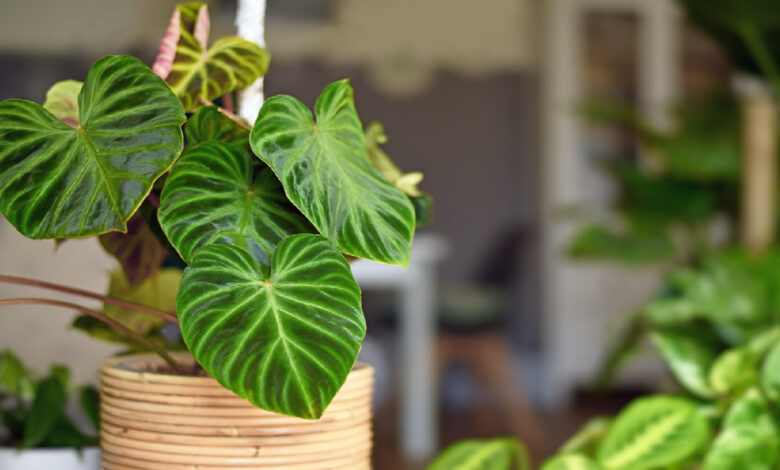
I’ll never forget the winter morning I walked into my plant room and found every single one of my tropical beauties looking absolutely miserable – crispy brown leaf tips everywhere, curled edges, and a general air of defeat. My heating system had been running full blast for weeks, and I’d been wondering why my normally thriving plant babies suddenly looked like they were auditioning for a desert survival show. That’s when I finally invested in a hygrometer and discovered my indoor humidity had plummeted to a shocking 18%.
Understanding the benefits of humidity for indoor plants completely transformed my plant parenting game. Humidity isn’t just about making your plants “comfortable” – it’s a critical factor that affects everything from nutrient absorption to pest resistance. Most houseplants evolved in environments with 40-80% humidity, yet typical heated or air-conditioned homes hover around 20-30%, creating a hostile environment that slowly stresses even the hardiest species.
If you’ve been struggling with brown leaf tips, slow growth, or plants that just never seem quite happy despite your best care efforts, low humidity is likely the hidden culprit. After I started managing humidity properly, my plants transformed within weeks – new growth exploded, colors intensified, and those stubborn brown tips became a thing of the past.


In this comprehensive guide, I’m breaking down exactly why humidity matters so much for indoor plants, the specific benefits it provides, optimal levels for different plant types, and practical strategies for increasing humidity without turning your home into a rainforest. Your plant babies deserve to thrive, not just survive!
Understanding Humidity and How It Affects Plant Health
Before we dive into specific benefits, let’s establish what we’re actually talking about when we discuss humidity and why it matters so profoundly for houseplant health. Understanding these fundamentals helps you make smarter decisions about humidity management.
What Is Relative Humidity?
Relative humidity measures the amount of water vapor actually present in the air compared to the maximum amount the air could hold at that temperature. When we say the humidity is 50%, we mean the air is holding half the moisture it’s capable of containing at the current temperature.
This “relative” aspect is crucial because warm air can hold much more moisture than cold air. A room at 70°F and 50% humidity contains significantly more actual water vapor than the same room at 50°F and 50% humidity. This is why your home’s humidity drops dramatically when you run heating systems in winter – you’re warming air without adding moisture, which lowers the relative humidity even though the temperature rises.
For indoor plants, relative humidity between 40-60% is generally optimal for most species, though specific needs vary. Indoor plant humidity below 30% creates stress for all but the most drought-adapted species, while humidity consistently above 70% can promote fungal growth and other moisture-related problems.
Most people have no idea what their home’s humidity actually is until they measure it. I assumed my house stayed around 40-50% humidity year-round, but measuring revealed dramatic fluctuations from 15% in winter to 65% in summer. A simple hygrometer (humidity meter) costs under $10 and provides the data you need to understand your plants’ actual environment rather than guessing.
How Plants Interact with Humidity
Plants actively exchange moisture with their environment through tiny pores called stomata, primarily located on leaf undersides. <!– EXTERNAL LINK: University Extension .edu – plant transpiration –> These stomata open to allow carbon dioxide in for photosynthesis while simultaneously releasing water vapor through a process called transpiration.
The rate of transpiration is directly influenced by ambient humidity levels. In low humidity environments, plants lose water much faster through their stomata, creating a moisture deficit that forces them to work harder to maintain proper hydration. This is one of the key benefits of humidity for indoor plants – adequate moisture in the air reduces this water loss stress, allowing plants to maintain better internal moisture balance.
High humidity slows transpiration rates, which might sound negative but actually benefits plants by reducing the energy they must expend pumping water from roots to leaves. In overly dry conditions, plants can lose water faster than roots can absorb it from soil, leading to dehydration stress even when soil moisture is adequate.
The humidity gradient between leaf interior and surrounding air drives transpiration rate. The larger this gradient (drier air), the faster water leaves the plant. Moderate humidity reduces this gradient, creating gentler, more sustainable moisture exchange that supports overall plant health. When I increased my plant room humidity from 25% to 45%, I actually reduced watering frequency because my plants weren’t losing moisture as rapidly to dry air.
The 7 Key Benefits of Humidity for Indoor Plants
Now let’s explore the specific, measurable ways that proper humidity levels support plant health and vitality. These benefits of humidity for indoor plants are backed by scientific research and observable in real-world plant care.
1. Enhanced Nutrient Uptake
Adequate humidity directly improves plants’ ability to absorb and transport nutrients from soil to growing tissues. When stomata remain open longer (which happens in proper humidity), plants can more efficiently draw up water from soil along with dissolved nutrients. This creates a continuous flow of nutrition that supports healthy growth.
In low humidity, plants often close their stomata to conserve moisture, which simultaneously reduces nutrient uptake even when soil nutrition is adequate. This is why humidity and plant growth are so intimately connected – you can provide perfect soil and fertilizer, but without adequate humidity, your plants can’t fully access those nutrients.
I’ve noticed that my fertilized plants show much better response to feeding when humidity stays in the optimal range. The same fertilizer application that produced modest results at 25% humidity created vibrant, rapid growth at 50% humidity. The nutrients were always there; humidity allowed my plants to actually use them effectively.
2. Improved Photosynthesis Efficiency
Photosynthesis requires open stomata to allow carbon dioxide into leaves, but stomata closure in low humidity restricts this gas exchange. Proper humidity levels allow stomata to remain open longer, maximizing the carbon dioxide available for photosynthesis and consequently improving growth rates.
The relationship between humidity and photosynthesis becomes especially critical during active growing seasons when plants need maximum energy production. By maintaining optimal humidity for plants, you’re essentially removing a limiting factor that would otherwise constrain growth potential.
Research shows that photosynthetic rates can decline by 20-40% in chronically low humidity conditions compared to optimal moisture levels. That’s a massive reduction in the energy plants can generate for growth, flowering, and general health maintenance. Adequate humidity removes this artificial constraint on your plants’ productivity.
3. Prevention of Leaf Damage
The most visible benefit of proper humidity is prevention of cosmetic leaf damage that stresses plants and reduces their photosynthetic capacity. Brown leaf tips, crispy edges, and general leaf browning are almost always humidity-related issues rather than watering problems.
Leaf cells at margins and tips contain less structural support than central leaf tissue, making them more vulnerable to dehydration stress. When humidity is too low, these delicate cells lose moisture faster than the plant can replace it, causing irreversible browning. Once you understand this mechanism, you realize that one of the major benefits of humidity for indoor plants is simply maintaining intact, healthy foliage.
The cumulative effect of chronic low humidity on leaf condition significantly impacts plant health over time. Each damaged leaf reduces total photosynthetic capacity and forces the plant to invest energy in producing replacement leaves rather than overall growth. Since maintaining 45-50% humidity in my plant spaces, I’ve had virtually zero new brown leaf tips – something that plagued my collection for years when I ignored humidity management.
4. Pest Resistance
Proper humidity levels significantly reduce susceptibility to spider mites, one of the most common and damaging indoor plant pests. Spider mites thrive in hot, dry conditions and reproduce explosively when humidity drops below 40%, but their populations struggle to establish in environments maintaining 50%+ humidity.
The mechanism is straightforward: spider mites are tiny arachnids that lose moisture rapidly in humid conditions. They evolved in arid environments and actively avoid humid microclimates. By maintaining adequate humidity, you create conditions that naturally suppress pest populations without any chemical interventions.
Beyond spider mites, humidity affects how well plants can defend against various pests and pathogens. Stressed plants (including humidity-stressed ones) produce fewer defensive compounds and have compromised tissue integrity that makes pest damage worse. Adequate humidity keeps plants vigorous and better able to withstand and recover from pest pressure.
I used to battle spider mites constantly on my calatheas and ferns until I brought humidity up to 55-60% consistently. Now I see virtually zero mite activity even though I’ve introduced new plants that probably carried some mites with them. The environment simply doesn’t support mite population explosions anymore.
5. Faster Growth Rates
When plants aren’t stressed by low humidity, they can dedicate more energy to growth rather than survival. The combined effects of improved nutrient uptake, better photosynthesis, and reduced moisture stress translate directly to faster development of new leaves, stems, and roots.
The difference in growth rates between adequate and inadequate humidity can be dramatic. This benefit of humidity for indoor plants becomes especially obvious during spring and summer growing seasons when plants are naturally primed for expansion. Plants in optimal humidity produce new leaves 30-50% faster than the same species in low humidity conditions.
Root growth also benefits from proper humidity, though this is less visible. When plants aren’t fighting moisture stress above ground, they can invest more resources in developing robust root systems that support long-term health and vigor. Strong roots mean better nutrient absorption, improved drought tolerance, and overall plant resilience.
I track new leaf production on several of my plants throughout the year, and the correlation between humidity levels and growth rates is unmistakable. During months when humidity stays above 45%, new leaves appear almost weekly on vigorous growers like pothos and philodendrons. When humidity drops below 35%, new growth slows to a crawl even with perfect light and watering.
6. Better Flowering and Fruiting
Many houseplants require adequate humidity to successfully develop flower buds and bring them to maturity. Low humidity often causes bud drop before flowers can open, or produces small, short-lived blooms that don’t reflect the plant’s full potential.
Flowering requires significant energy investment and water resources. In low humidity conditions, plants may abort flower development to conserve resources for basic survival. This is particularly frustrating when you’ve done everything else right – proper light, fertilization, temperature – but humidity stress prevents the flowering you’ve worked toward.
I’ve watched my orchids drop flower buds repeatedly during low-humidity winters, only to bloom prolifically once I stabilized humidity at 50-60%. The genetic potential for flowering was always there; humidity was the limiting factor preventing its expression. Same plants, same light, same everything else – just adequate humidity made the difference.
Fruit development also benefits from consistent humidity, particularly for plants like citrus or peppers grown indoors. Proper moisture in the air supports fruit formation and reduces problems like blossom end rot or premature fruit drop that plague indoor fruiting plants in dry conditions.
7. Stress Reduction
Perhaps the most important but least tangible benefit of proper humidity is overall stress reduction that keeps plants healthy and resilient long-term. Chronic low humidity creates persistent low-level stress that weakens plants over time, even if they don’t show obvious acute symptoms.
Stressed plants are less able to handle other challenges like temperature fluctuations, occasional underwatering, or minor pest pressure. They recover more slowly from repotting, pruning, or any other disruption. By maintaining optimal humidity for plants, you create a foundation of health that makes everything else in plant care easier and more forgiving.
The psychological benefits for plant parents shouldn’t be underestimated either. Once I solved humidity issues, so many other “mysterious” plant problems disappeared. I wasn’t constantly troubleshooting brown tips, slow growth, or pest outbreaks. My plants simply thrived, and I could actually enjoy them rather than endlessly trying to diagnose problems.
Optimal Humidity Levels for Different Plant Types
Not all plants have identical humidity requirements, and understanding these differences helps you group plants appropriately and set realistic humidity targets for different areas of your home. Knowing the optimal humidity for your specific plants prevents both over-humidifying (which can cause problems) and under-humidifying.
Tropical Plants (40-60% Humidity)
Tropical species including philodendrons, monsteras, calatheas, ferns, orchids, and most popular houseplants evolved in humid rainforest or jungle environments. These plants perform best when humidity stays between 40-60%, though many tolerate slightly lower levels if other care factors are optimal.
Within the tropical category, some species are more demanding than others. Calatheas, alocasias, and most ferns prefer the higher end (50-60%), while pothos, philodendrons, and monsteras adapt reasonably well to the 40-50% range. My calatheas were constant struggle until I created a high-humidity zone with 55-60% moisture, while my pothos do perfectly fine in the general house environment at 45%.
The key with tropical plants is consistency rather than perfection. Humidity that fluctuates wildly causes more stress than slightly lower but stable levels. If you can maintain 45% consistently, your tropical plants will generally thrive. Trying to achieve 60% but having it swing between 35% and 60% creates more problems than it solves.
Many tropical plants will survive in lower humidity but won’t thrive. You’ll see slower growth, more brown tips, and less vibrant foliage. They’re surviving, not flourishing. If you have primarily tropical plants, investing in a quality humidifier for your plant area is one of the best decisions you can make for their long-term health and your enjoyment of them.
Temperate Plants (30-50% Humidity)
Plants from temperate regions including many herbs, some orchids, and plants like ivy or aspidistra adapted to seasonal variation tolerate and often prefer slightly lower humidity than tropical species. These plants do well in the 30-50% range that many homes naturally maintain during spring and fall.
Temperate species are generally more forgiving about humidity fluctuations since they evolved with seasonal changes in moisture availability. They can handle brief periods of lower humidity without showing immediate distress, though chronic low humidity will eventually affect them too.
This category represents the “easy” houseplants that many beginners start with because they adapt to typical home conditions without specialized humidity management. Snake plants, spider plants, ZZ plants, and similar species fall into this range and tolerate the 30-40% humidity common in heated or air-conditioned spaces.
However, even temperate plants benefit from humidity at the higher end of their range. A spider plant at 45% humidity will be noticeably more vibrant and grow faster than the same plant at 30%, even though both are technically within its tolerance range.
Desert Plants (20-40% Humidity)
Succulents, cacti, and other arid-adapted species actually prefer lower humidity and can develop problems if humidity stays too high for too long. These plants evolved to survive in environments where relative humidity rarely exceeds 40% and often drops much lower.
Most desert plants do perfectly fine in typical home humidity without any special interventions. In fact, they often thrive in the dry conditions that stress tropical species. The low humidity that’s problematic for most houseplants is ideal for these drought-adapted beauties.
The main consideration with desert plants is avoiding excessive humidity, particularly combined with cool temperatures. Succulents and cacti in high humidity (above 60%) become more susceptible to fungal rot and other moisture-related diseases. They need good air circulation and the ability to dry out properly between waterings.
I keep my succulent collection in a separate area from my tropical plants specifically because their humidity needs conflict. My succulents sit happily at 30-35% humidity while my tropical plants live in 50-55% conditions. This separation lets me optimize for each group’s actual needs rather than compromising both.
Signs Your Plants Need More Humidity
Learning to recognize humidity deficiency symptoms helps you address problems before they cause significant damage. These signs often appear gradually, making them easy to miss until they become severe.
Brown or crispy leaf tips and edges are the most obvious humidity deficiency symptom. This damage typically appears on leaf margins and tips first because these areas are thinnest and most vulnerable to moisture loss. Once browning occurs, it’s permanent – damaged tissue won’t recover, though preventing further damage stops progression.
Leaf curling or cupping, particularly on new growth, often indicates insufficient humidity. Leaves curl to reduce surface area exposed to air, minimizing moisture loss. This is a protective response, but chronically curled leaves can’t photosynthesize efficiently, impacting overall plant health.
Slower than expected growth rates might signal humidity stress, especially if light, water, and fertilizer seem adequate. Plants struggling with moisture stress dedicate resources to survival rather than growth, resulting in sluggish development even during active growing seasons.
Spider mite infestations frequently correlate with low humidity since these pests thrive in hot, dry conditions. If you notice fine webbing between leaves or stippled, yellowing foliage, check humidity levels – they’re probably too low and creating ideal conditions for mite population explosions.
Flower bud drop before blooms open can result from humidity fluctuations or chronically low moisture. Many flowering plants require consistent humidity throughout bud development, and stress from dry air causes plants to abort flowers before they fully develop.
Don’t wait for obvious symptoms to appear. Regular hygrometer readings let you address humidity issues proactively rather than reactively once damage appears. Prevention is always easier than treatment when it comes to humidity-related plant problems.
8 Effective Ways to Increase Humidity for Indoor Plants
Practical strategies for boosting humidity range from simple free methods to more comprehensive solutions. Choose approaches that fit your budget, space, and commitment level for managing humidity around your plants.
Humidifiers: The Most Effective Solution
Electric humidifiers provide the most reliable, consistent humidity control for plant areas. Cool mist ultrasonic humidifiers work particularly well for plants because they don’t heat water, maintaining comfortable temperatures while boosting moisture. Size your humidifier appropriately – small units work for individual plant shelves, while larger rooms need correspondingly bigger capacity.
Position humidifiers near plants but not directly on them to avoid water droplets accumulating on foliage. Run humidifiers on timers or use units with built-in humidistats that maintain target humidity automatically. I run my plant room humidifier continuously during winter heating season but only periodically during humid summer months, adjusting based on actual hygrometer readings rather than schedule.
Grouping Plants Together
Clustering plants creates localized humid microclimates through collective transpiration. Each plant releases moisture through its leaves, and when multiple plants grow close together, this moisture accumulates in the shared airspace. The effect is modest but measurable – groups of 5-6 plants can create humidity 5-10% higher than surrounding areas.
This free method works particularly well for smaller plants that don’t require individual space. I have a shelf with 8 small tropical plants grouped together, and the humidity around them consistently reads 5-8% higher than the room average without any additional intervention.
Pebble Trays: Simple and Attractive
Pebble trays – shallow trays filled with pebbles and water with plants sitting on top – provide localized humidity as water evaporates. The key is ensuring plant pots sit above water level rather than in it to prevent root rot. These work best in small, enclosed spaces or for individual plants rather than whole rooms.
The effectiveness of pebble trays is limited but measurable when done properly. Wide, shallow trays with maximum water surface area work better than deep, narrow containers. Refill water regularly as it evaporates to maintain continuous humidity contribution.
Misting: Use with Caution
Misting provides temporary humidity spikes but isn’t a long-term solution since moisture dissipates quickly. While misting is often recommended as a benefit of humidity for indoor plants, it can actually cause problems if water sits on leaves too long, promoting fungal issues and leaving mineral deposits.
If you do mist, do it early in the day so leaves dry before nightfall, and avoid misting plants with fuzzy or hairy leaves that hold water. Consider misting a stopgap measure while you implement more effective humidity strategies rather than your primary approach.
Bathroom and Kitchen Placement
These naturally humid rooms from showering, cooking, and running water make excellent locations for humidity-loving plants if light conditions are adequate. Bathrooms with windows or good artificial light can support tropical plants that struggle elsewhere in your home.
My bathroom stays at 55-65% humidity naturally without any intervention, making it perfect for my most humidity-demanding ferns and calatheas. They absolutely thrive in there while they struggled in the drier living room despite better light.
Terrariums and Cloches
Enclosed or semi-enclosed growing environments trap humidity naturally, creating miniature ecosystems perfect for humidity-loving species. Terrariums maintain 70-90% humidity with minimal intervention, though they require careful management to prevent mold and ensure adequate air exchange.
Glass cloches, bell jars, or even inverted clear containers create temporary high-humidity chambers for propagation, recovery from stress, or growing especially demanding species. These aren’t practical for large plant collections but work beautifully for specific high-needs specimens.
Wet Towel Method for Emergency Humidity
In a pinch, hanging damp towels near plants provides short-term humidity boosts. This isn’t elegant or long-term sustainable, but it works during particularly dry weather or heating system malfunctions. The evaporating moisture creates localized humidity that helps plants survive temporary dry spells.
Avoiding Heat Sources and Improving Air Circulation
Preventing humidity loss is as important as adding moisture. Keep plants away from heating vents, radiators, and forced-air sources that actively dry air. Good air circulation without direct drafts maintains comfortable humidity while preventing the stagnant conditions that promote mold.
Position plants away from frequently opened doors and windows where outside air (often drier in winter, sometimes drier in air-conditioned summer) rushes in and disrupts stable humidity levels.
Common Humidity Mistakes to Avoid
Understanding what not to do prevents problems that can actually make humidity management counterproductive. These common mistakes often result from good intentions applied incorrectly.
Over-misting leading to fungal problems happens when water sits on leaves for extended periods, creating perfect conditions for fungal and bacterial growth. Misting should never leave standing water on foliage, and plants should dry within 2-3 hours of misting to prevent pathogen establishment.
Excessive humidity promoting mold growth becomes problematic when humidity consistently exceeds 70% without adequate air circulation. While plants love high humidity, mold and mildew also thrive in these conditions. Balance is key – aim for optimal plant humidity without creating perfect mold habitat.
Ignoring seasonal humidity changes means using the same strategy year-round despite dramatically different baseline conditions. Winter heating and summer air conditioning affect indoor humidity completely differently, requiring adjusted management approaches for each season.
Inconsistent humidity creating more stress than consistent lower levels happens when you intervene sporadically. Plants adapt better to stable conditions even if slightly suboptimal than to constantly fluctuating humidity that prevents acclimation.
Measure humidity regularly with a hygrometer rather than relying on how the air “feels” to you. Human perception of humidity is notoriously unreliable, and what feels comfortable to us is often too dry for tropical plants.
FAQ: Humidity and Indoor Plants
How do I measure humidity accurately?
Digital hygrometers (humidity meters) provide accurate, affordable humidity measurement. Place hygrometers at plant height rather than on walls or high shelves since humidity stratifies vertically. Basic models cost $10-15, while more sophisticated options include data logging, multiple sensors, and smartphone connectivity. Take readings at different times of day to understand humidity fluctuations throughout your home.
Can you have too much humidity for houseplants?
Yes, humidity consistently above 70% can promote fungal growth, mold problems, and bacterial issues, especially without adequate air circulation. Most houseplants thrive between 40-60% humidity, with excess moisture causing more problems than benefits. Desert-adapted species like succulents and cacti can develop rot in humidity exceeding 60%, making high humidity actually harmful for these plants.
Do all indoor plants need high humidity?
No, humidity needs vary significantly by species. Understanding specific benefits of humidity for indoor plants of different types helps you target humidity levels appropriately. Tropical species need 40-60%, temperate plants do well at 30-50%, and desert species prefer 20-40%. Grouping plants with similar needs makes humidity management much easier.
Does humidity affect how often I should water?
Absolutely. Higher humidity slows transpiration rates, meaning plants lose less moisture to air and consequently need less frequent watering. When I increased humidity from 30% to 50% in my plant room, watering frequency decreased by about 25-30% because plants retained moisture longer. This is one reason properly managing humidity actually makes plant care easier overall.
What’s the best humidifier for houseplants?
Cool mist ultrasonic humidifiers work excellently for plants, producing fine mist without heat. Choose capacity based on space size – small personal humidifiers for individual shelves, 2-4 liter capacity for rooms. Look for features like adjustable output, automatic shut-off, easy cleaning, and ideally built-in humidistats that maintain target levels automatically. Avoid warm mist humidifiers that can raise temperatures undesirably.
How does humidity change between winter and summer?
Winter indoor humidity often drops to 15-30% due to heating systems that warm air without adding moisture, while summer can naturally reach 50-70% depending on climate and air conditioning use. These seasonal changes mean your humidity management strategy needs adjustment throughout the year – more intervention in winter, often less in summer. Monitor with hygrometers rather than assuming seasonal conditions.
Transform Your Plants with Proper Humidity Management
Remember, managing humidity for your houseplants isn’t about achieving perfect conditions or obsessing over exact numbers. It’s about understanding the very real benefits of humidity for indoor plants and taking practical steps to keep levels in ranges that support health rather than stress.
Your humidity management journey can start simple – just measure what your current conditions actually are with an inexpensive hygrometer. That single step opened my eyes to why some plants struggled while others thrived in the exact same room. Knowledge is power when it comes to creating better plant environments.
From there, choose one or two humidity-boosting strategies that fit your lifestyle and space. Maybe that’s running a humidifier during winter months, grouping humidity-loving plants together, or relocating your most demanding species to naturally humid bathrooms. Small improvements in humidity create noticeable benefits even if you can’t reach ideal levels immediately.
Don’t get discouraged if you can’t maintain 50% humidity year-round in every area of your home. Plants are remarkably adaptable when stress factors don’t all compound simultaneously. If you can improve humidity by even 10-15%, you’ll see real benefits in plant health, growth rates, and overall vitality.
The most rewarding part of proper humidity management is watching your plants transform from “surviving” to genuinely thriving. Those brown leaf tips disappear, new growth explodes, and colors intensify in ways you didn’t realize were possible. Your plant babies will thank you with vigor and beauty that makes the humidity investment absolutely worthwhile.
Start measuring, start adjusting, and let your plants show you through their improved health that you’re meeting their needs more completely. The difference proper humidity makes isn’t subtle – it’s transformative for both plants and plant parents!
Happy Planting,
Jasmine



10 Comments