How Light Affects Flowering in Indoor Plants: The Complete Guide to Getting Your Houseplants to Bloom

Have you ever wondered why your gorgeous houseplants refuse to bloom, no matter how much love and attention you shower on them? Trust me, I’ve been there! I once had this stunning African violet that sat stubbornly green for two whole years, mocking me with its complete lack of flowers. It wasn’t until I discovered the secret relationship between light and flowering that everything changed.
Here’s the thing that most plant parents don’t realize: getting your indoor plants to flower isn’t just about giving them “enough” light – it’s about understanding exactly how light affects flowering in indoor plants and providing the right type, intensity, and duration of light that triggers those beautiful blooms. The science behind plant flowering is absolutely fascinating, and once you understand it, you’ll never look at your plant babies the same way again.
If you’ve been struggling with non-flowering houseplants, feeling frustrated that your green friends won’t give you those gorgeous blooms you see in magazines, you’re not alone. The good news? I’m going to share everything I’ve learned about how light affects flowering in indoor plants, including the exact techniques that finally got my stubborn African violet (and dozens of other plants) to bloom like crazy.


By the end of this guide, you’ll understand the science behind photoperiodism, know exactly what light requirements your flowering houseplants need, and have practical strategies to create the perfect lighting conditions for spectacular indoor blooms.
Understanding the Science: How Light Controls Plant Flowering
Before we dive into the practical stuff, let’s talk about what’s actually happening inside your plant babies when it comes to light and flowering. It’s way more complex and amazing than you might think!
Plants don’t just use light for photosynthesis – they actually “read” light signals to determine when it’s time to flower. This process is called photoperiodism, and it’s like your plants have their own internal calendar system based on light patterns. Pretty cool, right?
Most indoor plants fall into three main categories when it comes to their flowering light requirements: short-day plants (which actually need long nights), long-day plants (which need extended light periods), and day-neutral plants (which are more flexible about timing). Understanding which category your houseplants fall into is absolutely crucial for getting them to bloom.
The light spectrum also plays a huge role in how light affects flowering in indoor plants. Different wavelengths trigger different responses – blue light promotes vegetative growth, while red light is essential for flowering and fruiting. This is why those cheap “plant lights” from the hardware store often don’t work – they’re missing the specific light spectrum that triggers flowering hormones in your plants.
What really blew my mind when I first learned this was discovering that plants can actually measure the length of dark periods more accurately than light periods. So when we talk about “long-day” plants, they’re really responding to short nights rather than long days. Mind-boggling, right?
The Primary Light Factors That Control Indoor Plant Flowering
Light Intensity: Getting the Power Right
Light intensity is probably the most misunderstood aspect of how light affects flowering in indoor plants. Most plant parents think any bright spot will do, but flowering plants typically need much higher light levels than foliage plants – we’re talking 1000-3000 foot-candles for most flowering houseplants compared to just 200-500 for your typical pothos or snake plant.
I learned this lesson the hard way with my collection of African violets. I had them sitting in what I thought was a “bright” east-facing window, but they never bloomed. It wasn’t until I invested in a light meter (yes, they make those for plants!) that I realized they were only getting about 400 foot-candles. Once I moved them to a south-facing window with 1500+ foot-candles, boom – flowers everywhere within six weeks!
The challenge with natural sunlight indoors is that it’s incredibly variable. Even your brightest south-facing window might only provide flowering-level light intensity for a few hours per day, and that’s on sunny days. During winter months, the light intensity can drop by 50-80%, which explains why so many houseplants stop flowering in the darker months.
This is where artificial lighting becomes a game-changer for maintaining consistent flowering conditions. LED grow lights designed specifically for flowering can provide the steady, high-intensity light that your blooming beauties crave, regardless of what’s happening outside your windows.
Pro Tip: If you’re serious about getting your houseplants to flower consistently, invest in a basic light meter. You can find decent ones for under $30, and they’ll completely change how you think about plant placement. Once you start measuring actual light levels, you’ll be shocked at how dim most indoor spots really are!
Light Duration: Timing Is Everything
Here’s where things get really interesting – and where most plant parents go wrong. The duration of light exposure is just as important as intensity when it comes to how light affects flowering in indoor plants. But it’s not just about giving your plants “more” light – it’s about giving them the right pattern of light and darkness.
Short-day plants (like poinsettias, Christmas cacti, and kalanchoe) need 12-14 hours of complete darkness to trigger flowering. And I mean complete darkness – even a street light outside your window can disrupt their flowering cycle! I once had a gorgeous Christmas cactus that wouldn’t bloom until I started covering it with a cardboard box every evening at 6 PM. Sounds crazy, but it worked like magic.
Long-day plants (such as most herbs, some orchids, and many flowering annuals) need 14-16 hours of light to initiate blooming. This is where supplemental lighting becomes essential during shorter winter days. You can’t just rely on natural light – you need to extend the photoperiod with artificial lighting.
Day-neutral plants are the easiest to work with because they’ll flower based on maturity and growing conditions rather than specific light timing. Most popular flowering houseplants like African violets, begonias, and impatiens fall into this category, which is why they make such great indoor bloomers once you get the other factors right.
The tricky part is that many plants need different light durations for different stages of flowering. Some need short days to initiate buds, then long days to actually open the flowers. It’s like your plants have their own complex scheduling requirements!
Light Spectrum: The Colors That Matter
This is where the science gets really fascinating – different colors of light trigger completely different responses in your plants. When we talk about how light affects flowering in indoor plants, we’re really talking about specific wavelengths that act like chemical signals.
Blue light (400-500 nanometers) is fantastic for vegetative growth – it keeps your plants compact and bushy – but it actually inhibits flowering in many species. Red light (600-700 nanometers) is the flowering powerhouse. This wavelength stimulates the production of flowering hormones and triggers the biochemical changes that lead to bud formation.
Far-red light (700-800 nanometers) is the secret weapon that most people don’t know about. This wavelength helps regulate photoperiodism and can dramatically influence flowering timing. It’s also what makes the difference between a plant thinking it’s getting “daylight” versus “shade” – even if the total light intensity is the same.
I discovered this personally when I switched from basic fluorescent grow lights to full-spectrum LED panels. The difference in flowering was incredible! Plants that had been stubbornly green for months suddenly started budding within 2-3 weeks of the spectrum change. The LEDs provided not just the right intensity, but the complete spectrum including those crucial red and far-red wavelengths.
Here’s something really cool: plants can actually detect the ratio of red to far-red light, which tells them about their environment. A high red-to-far-red ratio signals “full sun” conditions, while a low ratio suggests they’re in shade or competing with other plants. This affects not just flowering, but also plant architecture and growth patterns.
Creating the Perfect Lighting Environment for Flowering Houseplants
Working with Natural Light
Let’s start with maximizing your natural light, because honestly, nothing beats good old sunshine when you can get it. The key to using natural light effectively for flowering houseplants is understanding both the quantity and quality of light your windows provide throughout the day and seasons.
South-facing windows are your flowering plants’ best friends, providing the highest light intensity for the longest duration. But here’s what I learned after years of trial and error – even south-facing windows have their limitations. The light intensity drops off dramatically as you move away from the window. A plant sitting directly in the window might get 3000 foot-candles, while one just three feet away might only get 500.
East-facing windows provide excellent morning light, which is perfect for plants that prefer cooler conditions but still need good light intensity for flowering. I’ve had great success with African violets, begonias, and smaller orchids in bright east windows. The morning light is intense but not as hot as afternoon sun, which prevents heat stress while still providing the energy needed for blooming.
West-facing windows can work for flowering plants, but you need to watch for heat buildup in the afternoon. The intense afternoon sun can actually stress plants and inhibit flowering if temperatures get too high. I use sheer curtains during the hottest part of summer afternoons to filter the intensity while still maintaining good light levels.
One game-changing technique I discovered is using reflective surfaces to boost natural light intensity. A simple mirror or even white poster board positioned opposite your plant can nearly double the effective light reaching your flowering beauties. I have several plants that only bloom well when I use this reflection trick – it’s like giving them a natural light amplifier!
Supplemental Artificial Lighting Solutions
When natural light isn’t enough (and let’s be honest, it often isn’t), artificial lighting becomes essential for consistent flowering. But not all grow lights are created equal, and choosing the wrong ones can be a costly mistake.
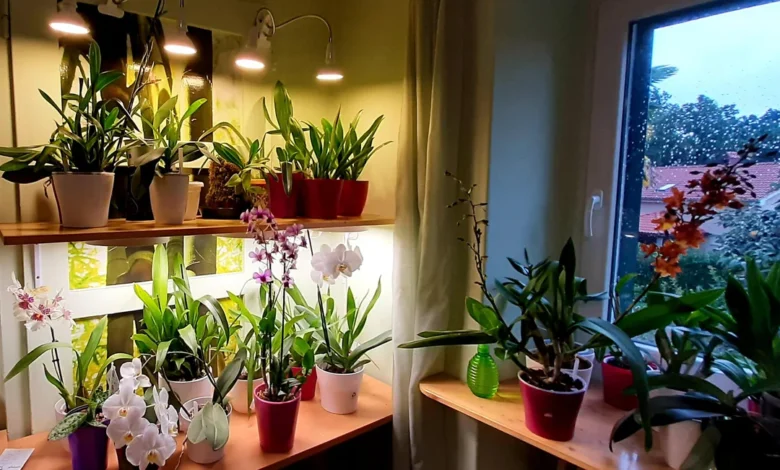
LED grow lights are hands-down the best option for flowering houseplants. They’re energy-efficient, produce less heat than fluorescent or incandescent options, and most importantly, you can get full-spectrum LEDs that provide all the wavelengths your plants need for both growth and flowering. I’ve completely switched my collection to LEDs, and the difference in flowering performance is night and day.
Look for LED panels that specifically mention “full spectrum” or “flowering spectrum” – these will include the crucial red and far-red wavelengths that trigger flowering hormones. Avoid those purple “blurple” lights that were popular a few years ago; they’re missing important wavelengths and make it impossible to enjoy the natural colors of your plants and flowers.
Fluorescent lights can work for flowering, especially T5 high-output fixtures, but you’ll need to position them much closer to your plants (6-12 inches) compared to LEDs. I still use some fluorescent fixtures for seedlings and smaller plants, but LEDs are my go-to for mature flowering houseplants.
The positioning of your artificial lights is crucial. Most flowering plants need the lights positioned 12-18 inches above the foliage for optimal intensity. Too close and you risk heat damage; too far and you won’t provide enough photons for flowering. I use adjustable hanging systems so I can modify the height as my plants grow.
Timer systems are absolutely essential when using artificial lighting for flowering. Plants need consistent light cycles to maintain their flowering rhythms, and manual switching just doesn’t work long-term. I use digital timers that can handle multiple on/off cycles per day – some of my short-day plants get covered during their dark period and then get supplemental lighting during specific hours.
Seasonal Light Management Strategies
Understanding how to adapt your lighting strategy throughout the seasons is crucial for year-round flowering success. Indoor light conditions change dramatically between summer and winter, and your plants’ flowering schedules need to adapt accordingly.
During summer months, you might actually need to provide some shade for your flowering plants rather than additional light. The intense summer sun can cause heat stress that shuts down flowering even when light levels are perfect. I use sheer curtains or move plants slightly back from windows during the hottest months while maintaining good overall light exposure.
Winter is when supplemental lighting becomes absolutely critical. Even my brightest south-facing windows provide only 30-40% of their summer light intensity during December and January. This is when I ramp up my artificial lighting systems and extend photoperiods for long-day flowering plants.
Spring and fall are transition periods that require careful monitoring. Many plants naturally want to flower during these seasons, so providing consistent lighting during these times can extend and enhance blooming periods. I’ve found that adding just 2-3 hours of supplemental lighting during fall can keep summer bloomers going well into winter.
One strategy that’s worked incredibly well for me is creating “flowering zones” in my home with dedicated lighting systems. I have a south-facing plant room with supplemental LEDs for high-light flowering plants, and a lower-light area with fluorescent fixtures for more delicate bloomers. This lets me optimize conditions for different plant types while maintaining year-round flowering displays.
Plant-Specific Lighting Requirements for Popular Flowering Houseplants
African Violets and Gesneriaceae Family
African violets are probably the most popular flowering houseplants, and for good reason – they can bloom almost continuously when their lighting needs are met properly. These beauties are day-neutral plants, which means they don’t require specific photoperiods, but they do need consistent, moderate to high light intensity.
The sweet spot for African violets is 1000-1500 foot-candles of light for 12-14 hours per day. I’ve found that they respond incredibly well to LED grow lights positioned about 12 inches above the plants. The key is providing consistent light without heat buildup – African violets hate hot conditions and will stop flowering immediately if stressed by heat.
What’s really interesting about African violets is their response to light spectrum. They flower best under lights with a slightly higher ratio of red to blue light compared to foliage plants. This is why they often struggle under standard fluorescent lights but thrive under “warm white” LEDs or dedicated flowering spectrum lights.
I have about 20 African violets in my collection, and the ones under proper LED lighting bloom 8-10 months out of the year. The secret is maintaining that consistent light level – they hate fluctuations in light intensity more than almost any other houseplant I’ve grown.
Gloxinias, another member of the Gesneriaceae family, have similar light requirements but are a bit more forgiving about intensity variations. They can handle slightly lower light levels (800-1200 foot-candles) but still need that consistent daily exposure for best flowering.
Orchids and Their Complex Light Needs
Orchids are probably the most diverse group of flowering houseplants when it comes to light requirements, and understanding these differences is crucial for success. Phalaenopsis orchids (the most common grocery store variety) are actually relatively low-light plants that can bloom beautifully with just 1000-1500 foot-candles.
But here’s where it gets tricky – most orchids need a temperature drop at night to trigger flowering, and this is often connected to their natural light cycles. In nature, cooler nights coincide with darkness, so maintaining proper day/night temperature differentials while providing adequate light can be challenging indoors.
Cattleya orchids need much higher light levels – 2000-3000 foot-candles – and they’re much more sensitive to photoperiod changes. I’ve learned that these gorgeous bloomers often need a period of shorter days (10-11 hours of light) to initiate flowering, followed by longer days to actually develop the flowers.
Dendrobium orchids are probably the most challenging when it comes to lighting because different species have completely different requirements. Some are high-light plants that need almost full sun conditions, while others prefer the filtered light levels similar to Phalaenopsis.
The game-changer for my orchid collection was investing in LED panels with adjustable spectrum control. Being able to fine-tune the red/blue ratio and light intensity for different orchid types has dramatically improved my flowering success rate.
Begonias and Seasonal Bloomers
Begonias are fantastic flowering houseplants because most varieties are day-neutral and relatively forgiving about light conditions. However, getting them to flower prolifically requires understanding their preferred light intensity and quality.
Wax begonias and fibrous begonias prefer bright, indirect light – about 1500-2000 foot-candles. Direct sunlight often bleaches their foliage and can actually reduce flowering. I’ve had excellent success growing these under east-facing windows with 4-6 hours of morning sun.
Tuberous begonias are a bit different – they need higher light levels (2000-2500 foot-candles) but are very sensitive to heat. This combination can be challenging indoors, which is why I often grow these under LED lights where I can control both intensity and heat output.
Rex begonias are primarily grown for foliage, but when they do flower, they prefer lower light levels similar to African violets. The key with rex begonias is providing consistent, moderate light without the intensity fluctuations that stress the plants.
One thing I’ve learned about begonias is that they respond very well to supplemental lighting during winter months. Even varieties that don’t naturally flower in winter will often produce blooms under consistent artificial lighting during the darker months.
Common Lighting Mistakes That Prevent Indoor Plant Flowering
The “Bright Spot” Misconception
This is probably the biggest mistake I see plant parents make – assuming that a spot that looks bright to human eyes provides adequate light for flowering plants. Our eyes are incredibly good at adjusting to different light levels, so what seems “bright” to us might be quite dim from a plant’s perspective.
I can’t tell you how many times I’ve visited friends who insist their plants get “plenty of light” in spots that are actually receiving less than 500 foot-candles. That might be fine for a pothos or snake plant, but it’s nowhere near enough for flowering plants that typically need 1000+ foot-candles.
The solution is simple but requires a small investment – get a light meter! You can find decent digital light meters for under $30, and they’ll completely change how you think about plant placement. Once you start measuring actual light levels, you’ll understand why your flowering plants aren’t blooming.
Another aspect of this mistake is not understanding how quickly light intensity drops with distance from the source. Light follows the inverse square law, which means that if you double the distance from a light source, you get one-fourth the intensity. A plant sitting right in a window might get 2000 foot-candles, while one just two feet away gets only 500.
Inconsistent Light Schedules
Plants are incredibly sensitive to consistent light schedules, especially when it comes to flowering. I learned this lesson the hard way with a gorgeous Christmas cactus that refused to bloom for three years because I kept moving it around the house, disrupting its light patterns.
Many plant parents provide good light intensity but fail to maintain consistent timing. If you’re using artificial lighting, timer systems aren’t optional – they’re essential. Plants need to be able to “count” on consistent day/night cycles to regulate their flowering hormones properly.
Even with natural light, consistency matters. A plant that gets morning sun one week and afternoon sun the next week is getting mixed signals about photoperiod and seasonal changes. Try to establish consistent locations and stick with them, especially during active growing and flowering seasons.
The other aspect of this mistake is seasonal inconsistency – providing supplemental lighting sporadically rather than systematically. If you’re going to help your plants through winter with artificial lighting, commit to the full season rather than turning lights on and off based on weather or your mood.
Wrong Light Spectrum Choices
This mistake has become more common as LED grow lights have become popular. Not all LED “grow lights” are suitable for flowering – many are designed for vegetative growth and lack the red spectrum wavelengths that trigger flowering hormones.
Those purple “blurple” lights that were popular a few years ago are classic examples of wrong spectrum choices. They provide lots of blue and red light but often miss the crucial far-red wavelengths that help regulate photoperiodism and flowering timing.
Cool white fluorescent lights fall into the same trap – they’re great for foliage growth but lack sufficient red spectrum for optimal flowering. If you’re going to use fluorescent lights for flowering plants, choose warm white or dedicated plant growth tubes.
The solution is to look for full-spectrum lights that specifically mention flowering or fruiting applications. These lights provide a more complete spectrum that includes all the wavelengths your plants need for both growth and flowering.
Advanced Techniques: Manipulating Light to Control Flowering Timing
Photoperiod Manipulation for Forced Blooming
Once you understand how light affects flowering in indoor plants, you can actually manipulate photoperiods to force blooming at specific times. This technique is commonly used in commercial greenhouse operations, but it works just as well for home plant parents who want to time their indoor displays.
For short-day plants like poinsettias and Christmas cacti, you can trigger flowering by providing 12-14 hours of complete darkness daily for 6-8 weeks. The key word here is “complete” – even small amounts of light during the dark period can disrupt the flowering response. I use cardboard boxes or move plants to completely dark closets during their dark periods.
Long-day plants can be pushed into flowering by extending their photoperiod with artificial lighting. Adding 4-6 hours of supplemental light in the evening can trigger flowering in plants that wouldn’t normally bloom during short winter days.
The timing of these manipulations is crucial. Most plants need 6-8 weeks of proper photoperiod conditions to initiate and develop flowers. If you want Christmas blooms, you need to start photoperiod manipulation in early October for most short-day plants.
One advanced technique I’ve used successfully is graduated photoperiod changes rather than abrupt switches. Gradually reducing (or increasing) the light period by 15-30 minutes per week mimics natural seasonal changes and often produces more reliable flowering responses than sudden changes.
Light Quality Manipulation for Enhanced Flowering
Beyond basic photoperiod control, you can manipulate light spectrum and quality to enhance flowering performance. This gets into some pretty advanced territory, but the results can be spectacular when done correctly.
End-of-day far-red treatments can dramatically influence flowering in many species. Providing 10-15 minutes of far-red light (730nm) at the end of the normal photoperiod can simulate sunset conditions and enhance flowering responses in both short-day and day-neutral plants.
UV light supplementation is another advanced technique that can improve flowering quality and intensity. Small amounts of UV-B light (280-320nm) can increase flower pigmentation and essential oil production in many species. However, UV light can also be harmful, so this technique requires careful research and application.
Spectrum cycling throughout the day can also enhance flowering. Starting with blue-heavy spectrum in the morning, transitioning to balanced spectrum during midday, and finishing with red-heavy spectrum in the evening mimics natural sunlight changes and can improve overall plant health and flowering.
These advanced techniques require specialized equipment and careful monitoring, but they can take your flowering houseplant game to the next level if you’re willing to invest the time and resources.
Troubleshooting: When Your Plants Still Won’t Flower
Identifying Light-Related vs. Other Issues
Sometimes your lighting is perfect, but your plants still won’t flower. Learning to distinguish between light-related problems and other issues is crucial for successful troubleshooting.
Light-related flowering problems typically show specific symptoms: plants that grow well vegetatively but never develop buds, flowers that abort before opening, or blooms that are pale and weak. If your plants are growing lush, green foliage but no flowers, light is often the culprit.
Non-light related flowering problems might include: plants that aren’t mature enough to flower (many houseplants need to reach a certain age or size), nutritional imbalances (too much nitrogen can promote foliage at the expense of flowers), temperature stress, or watering issues.
Root-bound conditions can also prevent flowering even when light conditions are perfect. Many plants need to be slightly pot-bound to flower well, but severely root-bound plants often stop flowering entirely. Check root conditions if lighting seems adequate but flowering has declined over time.
Sometimes the issue is simply patience – many houseplants have specific flowering seasons even when grown indoors. African violets might bloom year-round, but plants like clivia or amaryllis have natural dormancy periods and won’t flower until conditions trigger their natural cycles.
Making Lighting Adjustments Based on Plant Response
Learning to “read” your plants’ responses to lighting changes is a skill that develops over time, but there are some clear indicators to watch for when making adjustments.
Plants receiving insufficient light for flowering often show elongated growth (stretching toward light sources), pale green coloration, and a complete lack of bud development. If you see these symptoms, gradually increase light intensity or duration rather than making dramatic changes all at once.
Too much light can also prevent flowering, though this is less common with houseplants. Symptoms include leaf bleaching, brown spots or edges, and stress-related flower drop. If you suspect light stress, provide some midday shade or move plants slightly further from light sources.
Wrong photoperiod symptoms can be subtle – plants might develop flower buds that never open, or flowers that open but quickly fade. Short-day plants exposed to too much light often show these symptoms, while long-day plants in insufficient photoperiods might develop buds that abort before opening.
Color changes in foliage can also indicate light spectrum issues. Plants under lights with insufficient red spectrum often show deep green coloration and vigorous vegetative growth but no flowering. Plants under lights with too much red might show reddish or purplish foliage coloration.
When making lighting adjustments, change only one factor at a time and give plants 2-4 weeks to respond before making additional changes. Plants don’t adjust to new conditions overnight, and patience is essential for successful troubleshooting.
Seasonal Strategies for Year-Round Indoor Flowering
Winter Flowering Success
Winter is the most challenging season for indoor flowering plants, but with proper planning and lighting strategies, you can maintain beautiful blooms even during the darkest months. The key is understanding that winter flowering requires more intensive light management than other seasons.
During winter months, even south-facing windows provide only 20-30% of their summer light intensity. This dramatic reduction means that plants that flowered beautifully in summer windows often go completely dormant in winter without supplemental lighting.
I’ve developed a winter lighting protocol that works consistently for my flowering collection. Starting in early November, I add 4-6 hours of LED supplemental lighting to all my flowering plants, gradually increasing to 8-10 hours by mid-December. This maintains adequate photoperiods for long-day plants while providing sufficient intensity for continued flowering.
Temperature management becomes crucial during winter because heating systems can create very dry conditions that stress flowering plants. I use humidity trays and group plants together to maintain adequate moisture levels around my winter bloomers.
Some plants actually prefer winter flowering conditions – Christmas cacti, cyclamen, and many orchids naturally bloom during cooler, shorter-day periods. These plants can be spectacular winter performers when their specific needs are understood and met.
Spring and Summer Optimization
Spring and summer offer the best natural conditions for flowering houseplants, but there are still strategies to optimize performance during these seasons. The main challenge shifts from providing enough light to managing heat and preventing light stress.
During late spring and summer, I often need to protect flowering plants from excessive afternoon heat rather than worry about insufficient light. Sheer curtains, strategic plant placement, and good air circulation become more important than supplemental lighting.
This is also the season to gradually transition plants away from artificial lighting and take advantage of excellent natural light conditions. I reduce supplemental lighting gradually over 2-3 weeks rather than stopping abruptly, which helps prevent shock and maintains flowering consistency.
Summer is an excellent time to move flowering plants outdoors if you have appropriate spaces. The natural light spectrum and intensity outdoors often produces spectacular flowering that’s difficult to replicate indoors. However, transition gradually and watch for pest issues when bringing plants back indoors in fall.
Many plants that struggle to flower indoors will bloom prolifically outdoors during summer months. If space allows, consider creating outdoor flowering displays that can be enjoyed during warm months and then brought indoors for winter protection.
Creating Your Personal Flowering Light Management System
Setting Up Success Systems
Creating a systematic approach to lighting management takes the guesswork out of getting your houseplants to flower consistently. The goal is to develop routines and systems that maintain optimal lighting conditions with minimal daily effort.
Start by mapping the light conditions throughout your home at different seasons. Use a light meter to measure intensity at various locations during different times of day and months of the year. This baseline information helps you make informed decisions about plant placement and supplemental lighting needs.
Invest in quality timer systems for any artificial lighting. Digital timers with multiple on/off cycles per day give you precise control over photoperiods without daily manual adjustments. I use smart timers that can be programmed remotely and adjusted seasonally without rewiring anything.
Create dedicated flowering zones in your home based on light availability and plant requirements. Group plants with similar needs together so you can optimize lighting systems for specific requirements rather than trying to create one-size-fits-all solutions.
Keep detailed records of what works and what doesn’t. I maintain a simple notebook with flowering dates, lighting changes, and plant responses. This information becomes invaluable for predicting and optimizing flowering cycles year after year.
Long-term Maintenance and Adjustments
Successful long-term flowering requires regular monitoring and seasonal adjustments to your lighting systems. Plants’ needs change as they mature, and environmental conditions vary more than we often realize.
Plan for seasonal lighting transitions well in advance. I start preparing for winter lighting needs in early October and begin spring transitions in February. Gradual changes work much better than sudden adjustments, and advance planning prevents gaps in adequate lighting.
Regular equipment maintenance is crucial for consistent results. Clean light fixtures monthly, replace bulbs before they dim significantly, and calibrate timers seasonally. LED panels should be cleaned every few months to maintain optimal light output.
Monitor your plants’ responses to lighting systems and be willing to make adjustments based on performance. What worked perfectly last year might need modifications due to plant growth, seasonal variations, or equipment aging.
Consider your lighting systems as investments in long-term flowering success rather than short-term solutions. Quality equipment pays for itself in better flowering performance and reduced replacement costs over time.
Remember: You’re the Plant Parent They Need!
Getting your indoor plants to flower consistently isn’t about having perfect conditions or expensive equipment – it’s about understanding how light affects flowering in indoor plants and creating systems that work for both you and your plant babies. Every successful plant parent I know has gone through periods of trial and error, learning what works through experience and observation.
Your plants are incredibly resilient and want to flower – they just need you to provide the right light signals to trigger their natural blooming cycles. Whether you’re working with a simple sunny window or invested in sophisticated LED systems, the principles remain the same: consistent, adequate light intensity with appropriate spectrum and timing.
Don’t get discouraged if your first attempts don’t produce immediate results. Plants work on their own timelines, and flowering responses often take 6-8 weeks to develop after lighting changes. Keep detailed records, stay consistent with your lighting systems, and trust the process.
The most rewarding part of understanding how light affects flowering in indoor plants is watching your green friends transform into spectacular blooming displays. That first time you see flower buds developing on a plant that’s been stubbornly green for months – there’s nothing quite like it!
Start with one or two flowering plants and master their specific light requirements before expanding your collection. Success builds on success, and you’ll develop the skills and intuition needed for more challenging species as you gain experience.
Try these lighting techniques with your current plant collection and let me know how your flowering adventures unfold! I love hearing about plant parent victories, and there’s nothing better than sharing the excitement of getting a reluctant bloomer to finally show off its flowers. Your plant babies are lucky to have someone who cares enough to learn about their needs – now go create some spectacular indoor flowering displays!
Happy Planting,
Jasmine