Among the various aspects of plant care, watering is perhaps the most crucial. Providing the right amount of water at the right time can make a significant difference in the health and longevity of your indoor plants. Here’s a comprehensive guide to help you master the art of watering your houseplants:
Understand Your Plants’ Needs
Different plants have different watering requirements. Before anything else, familiarize yourself with the specific needs of each of your houseplants. Some plants prefer moist soil, while others thrive in drier conditions.
Check Soil Moisture
Rather than adhering to a strict watering schedule, it’s best to monitor the moisture level of the soil. Use a watering indicator or simply test with your finger. If the soil feels dry an inch below the surface, it’s time to water.


Use the Right Watering Technique
When watering your houseplants, it’s essential to do so properly. Avoid drenching the foliage, as this can promote the growth of mold and mildew. Instead, water directly into the soil until it begins to drain out of the bottom of the pot. This ensures that the roots receive adequate moisture without risking waterlogging.
Seasonal Change
Plants’ watering needs can vary depending on the season. During the warmer months when plants are actively growing, they may require more frequent watering. Conversely, in the winter when growth slows down, plants typically need less water. Pay attention to environmental factors such as temperature and humidity and adjust accordingly.
Beware of Overwatering
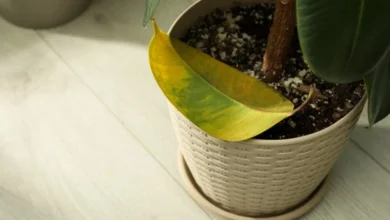
Overwatering is one of the most common mistakes made by indoor gardeners. Too much water can lead to root rot and other fungal diseases. If you notice yellowing leaves, wilting, or a foul odor emanating from the soil, these could be signs of overwatering. Allow the soil to dry out between waterings and adjust your watering frequency accordingly.
If you are noticing root rot you need to repot your plant! Cut off any rotted roots and clean your pot. Use a fresh potting mix to carefully repot your plant, then water lightly.
Implement Proper Drainage
Good drainage is crucial for preventing waterlogged soil. Make sure your pots have drainage holes at the bottom to allow excess water to escape. Adding a layer of clay granules or pebbles at the base of the pot can further help prevent root rot.
Observe and Learn
Finally, the most important aspect of managing watering for your houseplants is to observe and learn from your plants. Pay attention to how they respond to different practices and adjust accordingly. Over time, you’ll develop a deeper understanding of your plants’ needs and become a more confident and successful indoor gardener.
By understanding your plants’ needs, practicing proper watering techniques, and adapting to seasonal changes, you can ensure that your indoor jungle thrives for years to come.
🌱 FAQ: Indoor Plant Watering
1. How often should I water my indoor plants?
It depends on the type of plant, pot size, and season. Most houseplants prefer watering when the top inch of soil feels dry.
2. What is the best time of day to water indoor plants?
Morning is best because it gives plants time to absorb water before the cooler, darker hours of the night.
3. How do I know if I’m overwatering my plants?
Signs include yellowing leaves, soggy soil, wilting despite wet conditions, and a foul smell from the potting mix.
4. Do indoor plants need more water in summer?
Yes, during warmer months plants grow faster and need more frequent watering compared to winter.
5. Should I use tap water or filtered water for houseplants?
Most plants tolerate tap water, but filtered or rainwater is better for sensitive species like orchids and calatheas.
6. Is misting a good way to water indoor plants?
Misting can boost humidity but it’s not a substitute for watering the soil. Use it as a complement, not the main method.