Looking for plants that survive in small spaces with limited light? Succulents are your answer. These desert-adapted plants thrive in typical apartment conditions—compact spaces, inconsistent natural light, and busy schedules that don’t allow daily plant care.
Why Succulents Are Perfect for Apartment Living
Space Efficiency
Succulents naturally stay small, making them ideal for apartments where every inch counts. Most varieties thrive in 3-6 inch pots and grow slowly, meaning you won’t need to repot for years. Their compact root systems allow multiple plants to fit on a single windowsill, and shallow containers work perfectly for their shallow root structure.
Low Maintenance
The ultimate benefit? Succulents require minimal care. Water them once every 1-2 weeks, fertilize quarterly (or skip it entirely), and they’ll thrive. There’s no daily commitment, no rigid schedules, and they actually prefer slight neglect over excessive attention. Perfect for busy professionals and frequent travelers.
Minimal Water Needs
Thick leaves store water for weeks, allowing these plants to survive 2-4 week vacations without care. They recover quickly from missed waterings and provide visual signals (wrinkled leaves) when they’re thirsty. This drought tolerance perfectly matches urban lifestyles with irregular schedules.
External authority reference: University of California Agriculture – Scientific succulent care information
Top 10 Apartment-Friendly Succulents
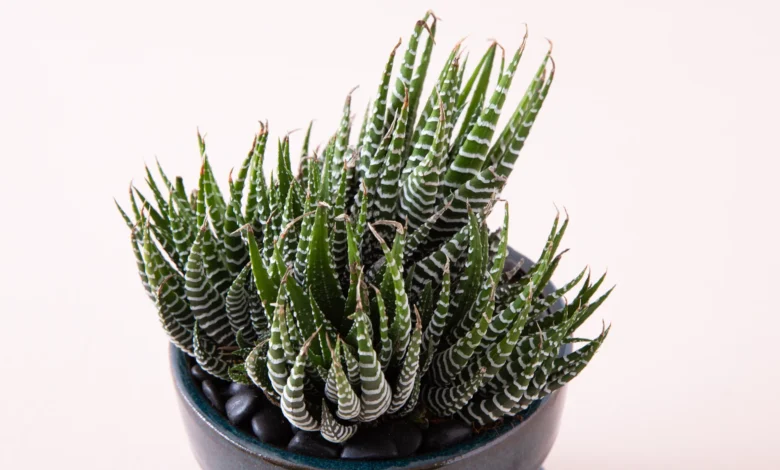
1. Haworthia (Zebra Plant)
Why it’s #1: The ultimate low-light succulent. Haworthias thrive in medium to bright indirect light—rare among succulents—making them perfect for typical apartment windows.
Size: 3-6 inches diameter Light: Medium to bright indirect (east or north windows work!) Water: Every 2-3 weeks Best for: North-facing apartments, desks, shelves

2. Jade Plant (Crassula ovata)
Long-lived companion: Jade plants can live 50+ years and move with you through multiple apartments. They’re essentially miniature trees that develop slowly and stay manageable in small containers.
Size: 6-12 inches (controlled by pot size) Light: Bright indirect to some direct sun Water: Every 2-3 weeks Best for: Long-term plant parents, statement pieces
3. Aloe Vera
Functional and beautiful: Beyond aesthetics, aloe provides medicinal gel for burns and cuts. It produces pups (baby plants) regularly, giving you free plants to share with friends.
Size: 8-12 inches Light: Bright indirect light Water: Every 2-3 weeks Best for: Kitchen windowsills, practical plant lovers

4. String of Pearls (Senecio rowleyanus)
Vertical space solution: These unique trailing plants utilize overhead space in small apartments. Bead-like leaves cascade 2-4 feet, creating dramatic living curtains perfect for hanging baskets.
Size: Trails 2-4 feet Light: Bright indirect Water: Every 10-14 days Best for: Hanging displays, high shelves
5. Echeveria
Rosette beauty: Perfect geometric forms in colors ranging from pale blue to deep purple. These compact succulents stay 4-8 inches diameter and propagate easily from fallen leaves.
Size: 4-8 inches diameter Light: Bright indirect to direct sun Water: Every 1-2 weeks Best for: South or west windows, colorful displays
6. Burro’s Tail (Sedum morganianum)
Cascading grace: Plump, overlapping leaves on trailing stems create unique texture. Handle gently as leaves detach easily, but each fallen leaf can root to create new plants.
Size: Trails 2-3 feet Light: Bright indirect Water: Every 10-14 days Best for: Hanging baskets, elevated shelves
7. Panda Plant (Kalanchoe tomentosa)
Fuzzy favorite: Soft, velvety leaves with brown edges provide unique tactile appeal. Kids love touching the fuzzy foliage, and the compact growth stays under 12 inches.
Size: 6-12 inches Light: Bright indirect Water: Every 2-3 weeks Best for: Tabletops, kid-friendly spaces
8. Lithops (Living Stones)
Conversation starter: These bizarre succulents evolved to look like stones. Extremely compact (1-2 inches), multiple plants fit in a 4-inch pot. Ultimate space-saver for small apartments.
Size: 1-2 inches each Light: Very bright (may need grow light) Water: Every 3-4 weeks (minimal watering) Best for: Collections, conversation pieces
9. Crassula perforata (String of Buttons)
Stacked perfection: Triangular leaves stack along stems creating architectural interest. Stays compact, grows slowly, and tolerates various light conditions.
Size: 6-8 inches Light: Bright indirect Water: Every 2-3 weeks Best for: Modern decor, desk plants
10. Christmas Cactus (Schlumbergera)
Bonus blooms: Unlike most succulents, this variety produces spectacular flowers in winter. More forgiving than desert succulents, tolerating slightly more water and lower light.
Size: 12-18 inches spread Light: Bright indirect Water: Weekly (more than typical succulents) Best for: Hanging baskets, seasonal color
Internal linking suggestion: [succulent propagation guide] for creating free plants
Quick Care Guide for Apartment Succulents
Light Requirements
Best windows:
- South-facing: Strongest light, best for most succulents
- East-facing: Gentle morning sun, perfect for Haworthia, Jade
- West-facing: Hot afternoon sun, may need sheer curtain
- North-facing: Requires grow lights for most varieties
Grow light solution: If your apartment lacks bright windows, LED grow lights ($20-40) positioned 6-12 inches above plants for 12-14 hours daily solve the problem completely.
Rotation tip: Quarter-turn plants weekly for even growth and symmetrical forms.
Watering Schedule
The soak-and-dry method:
- Water thoroughly until draining from pot holes
- Allow soil to dry completely (7-14 days)
- Check soil 2 inches deep before watering again
- When in doubt, wait longer
Apartment factors affecting frequency:
- Heating: Dries soil faster, may need weekly watering
- AC: Removes moisture, increases watering frequency
- Winter: Reduce to every 2-4 weeks minimum
- Container type: Terracotta dries faster than plastic
Signs you’re overwatering: Yellow, translucent leaves, mushy stems, foul odor Signs you’re underwatering: Wrinkled, shriveled leaves (recovers quickly when watered)
Best Placement Tips
Strategic positioning:
- Within 3 feet of windows: Ensures adequate light
- Away from vents: Avoid direct heat or AC blasts
- Elevated displays: Utilize vertical space in small apartments
- Grouped arrangements: Creates humidity and visual impact
Space-saving ideas:
- Windowsill gardens: Long shallow planters maximize sill space
- Hanging displays: Use overhead space for trailing varieties
- Wall-mounted frames: Vertical gardens for tiny apartments
- Tiered shelves: Multiple levels in same footprint
External authority reference: Colorado State Extension – Research-based care guidelines
Common Problems & Fast Solutions
Stretching/Etiolation
Problem: Elongated stems, pale color, large gaps between leaves Cause: Insufficient light Solution: Move closer to window or add grow light. Prune stretched portions and propagate healthy sections.
Root Rot
Problem: Yellow leaves, mushy stems, blackened base Cause: Overwatering, poor drainage Solution: Stop watering immediately. Remove from pot, trim rotted roots, repot in fresh dry soil. Wait 7-10 days before watering.
Pests (Mealybugs)
Problem: White cottony insects in leaf joints Cause: Dry indoor air, stressed plants Solution: Isolate plant. Dab insects with rubbing alcohol. Spray with insecticidal soap weekly for 3 weeks.
Sunburn
Problem: White or brown patches on leaves Cause: Too much direct sun, sudden light increase Solution: Move to less intense location. Gradually acclimate to bright light over 2-3 weeks. Use sheer curtains on hot west windows.
Apartment Success Tips
Starting your collection:
- Begin with 3-5 plants to learn care routines
- Choose varieties with similar light needs for your available windows
- Use containers with drainage holes (non-negotiable)
- Buy small plants ($3-8 each) rather than expensive mature specimens
Budget-friendly approach:
- Propagate from leaves and cuttings (free plants!)
- Shop end-of-season sales at nurseries
- Trade cuttings with friends
- Repurpose household containers as planters
- DIY soil mix: 50% potting soil, 25% coarse sand, 25% perlite
Renter-friendly setup:
- Use removable adhesive strips for wall displays
- Choose lightweight plastic pots for elevated locations
- Small collections pack easily when moving
- No permanent modifications needed
- Take your plants with you to next apartment
Seasonal adjustments:
- Spring/Summer: Water every 7-14 days, fertilize monthly
- Fall/Winter: Reduce watering to every 2-4 weeks, stop fertilizing
- Moving closer to windows in winter: Compensates for weaker light
Conclusion
Succulents transform small apartments into living green spaces without demanding the time, attention, or space traditional houseplants require. These ten varieties prove that limited square footage and typical apartment challenges—inconsistent light, busy schedules, climate control systems—need not prevent you from enjoying beautiful, thriving indoor plants.
Start with one or two species that match your available light and commitment level. Haworthia for lower light apartments, Jade plant for long-term companionship, or String of Pearls for dramatic vertical displays—each offers unique beauty while forgiving the inevitable beginner mistakes.
Remember: succulents prefer neglect over excessive attention. Water when soil is completely dry, provide the brightest available light, and resist the urge to fuss. Within months, you’ll develop intuition about their needs and confidence to expand your collection, creating a thriving desert oasis in your urban apartment that requires only minutes of weekly care.
Your apartment succulent garden starts today with a single plant and a sunny windowsill.


2 Comments