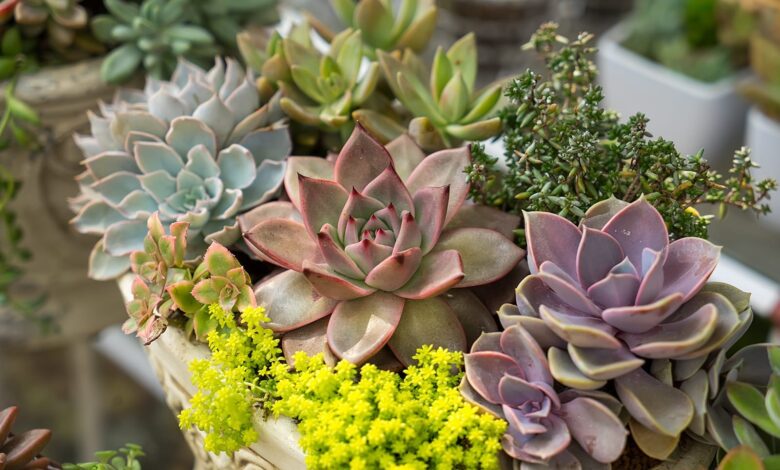
Growing succulents and cacti indoors presents unique challenges that differ dramatically from typical houseplant care. These remarkable desert-adapted plants require specialized techniques that mirror their natural arid environments, making understanding their evolutionary adaptations crucial for indoor success.
Understanding Succulents vs Cacti: Key Differences & Similarities
The terms “succulent” and “cacti” are often used interchangeably, but understanding their botanical relationships helps provide appropriate care for each type of desert plant.
What Makes a Plant a Succulent
Succulents encompass a broad category of plants that have evolved specialized water storage tissues to survive in arid environments. This adaptation appears across multiple plant families.
Defining succulent characteristics:
- Fleshy tissues that store water in leaves, stems, or roots
- Waxy coatings (cuticles) that reduce water loss through transpiration
- Modified leaf structures including reduced size or complete absence
- CAM photosynthesis allowing gas exchange during cooler night hours
- Shallow root systems designed to capture brief rainfall efficiently
Major succulent families:
- Crassulaceae: Jade plants, echeveria, sedum varieties
- Asphodelaceae: Aloe vera, haworthia, gasteria species
- Euphorbiaceae: Crown of thorns, pencil cactus varieties
- Aizoaceae: Living stones (lithops), ice plants
- Portulacaceae: Portulaca, anacampseros species
External authority reference: Kew Gardens Succulent Collection – Royal Botanic Gardens expertise
True Cacti Identification Features
All cacti are succulents, but not all succulents are cacti. True cacti belong to the family Cactaceae and possess specific anatomical features.
Unique cacti characteristics:
- Areoles: Specialized structures from which spines, flowers, and new growth emerge
- Spines: Modified leaves that provide protection and shade
- Succulent stems: Primary photosynthetic organs replacing traditional leaves
- Specialized flowers: Often large, colorful blooms emerging from areoles
- Native range: Exclusively native to the Americas (with one African exception)
Popular indoor cacti families:
- Mammillaria: Small, clustering species with prominent tubercles
- Echinopsis: Barrel-shaped cacti with spectacular flowers
- Opuntia: Paddle-shaped segments (prickly pear varieties)
- Gymnocalycium: Compact, spherical forms with distinctive spination
- Epiphyllum: Jungle cacti with flat, leaf-like stems
Water Storage Adaptations
Both succulents and cacti have evolved sophisticated water storage and conservation mechanisms that indoor growers must understand and respect.
Storage strategies:
- Leaf succulents: Store water in thick, fleshy leaves (aloe, echeveria)
- Stem succulents: Primary storage in enlarged stems (most cacti, euphorbias)
- Root succulents: Underground water storage organs (some caudex plants)
- Combined storage: Multiple tissues adapted for water retention
Conservation mechanisms:
- Reduced surface area: Minimized leaf size or complete absence
- Reflective surfaces: Light-colored coatings that reduce heat absorption
- Protective coverings: Spines, hairs, or waxy layers preventing water loss
- Temporal separation: CAM photosynthesis reducing daytime water loss
Natural Habitat Requirements
Understanding native habitats helps recreate appropriate indoor conditions for succulents and cacti success.
Desert habitat characteristics:
- Intense sunlight: 10-14 hours of bright, direct sun daily
- Extreme temperature fluctuations: Hot days, cool nights
- Minimal rainfall: Concentrated in brief, intense periods
- Excellent drainage: Sandy, rocky soils that dry quickly
- Low humidity: Typically 10-30% relative humidity
Seasonal patterns:
- Growing seasons: Coincide with mild temperatures and occasional rainfall
- Dormancy periods: Triggered by extreme heat, cold, or drought
- Flowering cycles: Often linked to temperature or moisture changes
- Growth spurts: Rapid development following rare precipitation events
Best Indoor Succulents & Cacti for Beginners
Success with desert plants indoors begins with choosing resilient species that adapt well to home environments whilst tolerating beginner care mistakes.
Easy-Care Succulent Varieties
These succulent species demonstrate exceptional tolerance for indoor conditions and forgive common care errors while providing stunning visual appeal.
Jade Plant (Crassula ovata):
- Tolerance factors: Withstands irregular watering and various light conditions
- Visual appeal: Glossy, oval leaves on sturdy, tree-like structure
- Growth characteristics: Slow, steady development with potential for decades of growth
- Care benefits: Clear visual indicators when water is needed
- Propagation ease: Roots readily from leaf or stem cuttings
Aloe Vera (Aloe barbadensis miller):
- Practical benefits: Medicinal gel provides household first-aid applications
- Care simplicity: Thrives on neglect with minimal water requirements
- Light adaptability: Tolerates medium light better than most succulents
- Growth pattern: Produces offsets for easy propagation and sharing
- Problem indicators: Leaves clearly show overwatering or underwatering stress
Echeveria Species:
- Rosette beauty: Perfect geometric forms in various colours and textures
- Variety options: Dozens of species with different sizes and characteristics
- Flowering bonus: Attractive flower stalks emerge from mature plants
- Compact size: Most varieties suit small spaces and container displays
- Colour changes: Many varieties develop enhanced colours in bright light
String of Pearls (Senecio rowleyanus):
- Unique appearance: Distinctive bead-like leaves on trailing stems
- Space efficiency: Trailing growth habit suits hanging displays
- Fast growth: Quickly fills containers and cascades attractively
- Easy propagation: Stems root wherever they touch soil
- Conversation starter: Unusual appearance generates interest and questions
Internal linking suggestion: [low-maintenance houseplants] including drought-tolerant species
Beginner-Friendly Cacti Species
These cacti species adapt well to indoor conditions whilst providing the authentic desert plant experience that many growers seek.
Bunny Ear Cactus (Opuntia microdasys):
- Distinctive appearance: Flat, oval pads covered in fuzzy-looking glochids
- Manageable size: Stays compact compared to outdoor opuntia varieties
- Care tolerance: Forgives occasional watering mistakes
- Visual interest: Pads develop in attractive geometric patterns
- Caution note: Handle carefully as glochids can irritate skin
Golden Barrel Cactus (Echinocactus grusonii):
- Classic appearance: Perfect sphere with prominent golden spines
- Slow growth: Stays manageable size for years in containers
- Light tolerance: Adapts to bright indoor conditions reasonably well
- Low maintenance: Requires minimal care once established properly
- Longevity potential: Can live for decades with appropriate care
Christmas Cactus (Schlumbergera species):
- Flowering reward: Spectacular blooms during winter months
- Different care needs: Jungle cactus requiring different treatment than desert species
- Humidity tolerance: Adapts to typical home humidity levels
- Propagation ease: Stem segments root readily for gift plants
- Holiday timing: Blooms coincide with winter holiday seasons
Pincushion Cactus (Mammillaria species):
- Compact growth: Small size perfect for windowsill collections
- Spine variety: Different species offer various spine colours and patterns
- Clustering habit: Many species produce attractive groups over time
- Flower production: Mature plants produce rings of small, colourful flowers
- Collection potential: Numerous species enable specialized collections
Pet-Safe Desert Plant Options
Households with pets require careful selection of non-toxic succulent and cacti species to ensure animal safety alongside plant collecting enjoyment.
Haworthia Species:
- Complete safety: Non-toxic to cats, dogs, and other household pets
- Attractive appearance: Geometric rosettes with interesting patterns and textures
- Small size: Most species stay compact, perfect for safe display areas
- Easy care: Tolerates lower light better than most succulents
- Variety available: Dozens of species with unique characteristics
Hen and Chicks (Sempervivum tectorum):
- Pet safety: Completely safe for curious animals
- Reproduction habit: Produces numerous offsets creating attractive colonies
- Cold tolerance: Handles cool indoor conditions better than most succulents
- Outdoor potential: Can transition to outdoor gardens in appropriate climates
- Historical interest: Traditional European roof plant with cultural significance
Burro’s Tail (Sedum morganianum):
- Pet-friendly: Safe for animals that might sample plants
- Trailing beauty: Long, cascading stems covered in plump, blue-green leaves
- Propagation bonus: Dropped leaves readily root to create new plants
- Hanging display: Perfect for elevated positions away from curious pets
- Fragile handling: Leaves detach easily, requiring gentle care during maintenance
External authority reference: ASPCA Toxic and Non-Toxic Plant Database – Official pet safety resource
Low-Light Tolerant Species
While most succulents and cacti require intense light, these species adapt better to typical indoor light conditions found in many homes.
ZZ Plant (Zamioculcas zamiifolia):
- Extreme tolerance: Survives in very low light conditions
- Water storage: Thick, succulent stems store water for extended periods
- Glossy appeal: Attractive, waxy leaves maintain appearance in low light
- Growth pattern: Slow but steady development even in challenging conditions
- Air purification: NASA-tested air cleaning capabilities
Snake Plant (Sansevieria species):
- Light adaptability: Tolerates everything from low light to bright sun
- Architectural form: Upright, sword-like leaves create dramatic vertical interest
- Night oxygen: Continues producing oxygen during nighttime hours
- Propagation options: Both leaf cuttings and division methods work well
- Variety selection: Multiple species and cultivars offer different sizes and patterns
Gasteria Species:
- Shade tolerance: Natural understory habitat enables low-light adaptation
- Interesting textures: Warty, spotted, or banded leaves provide unique appeal
- Compact size: Most species stay small, perfect for limited light areas
- Easy care: Forgiving of care mistakes whilst maintaining attractive appearance
- Flower stalks: Produce attractive tubular flowers on tall stems when mature
Essential Care Requirements: Light, Water & Environment
Successful indoor cultivation of succulents and cacti requires understanding and replicating their specialized environmental needs, which differ significantly from typical houseplants.
Intense Light Needs
Most succulents and cacti evolved in extremely bright desert conditions, making adequate light provision the most critical factor for indoor success.
Light quantity requirements:
- Minimum levels: 4-6 hours of direct sunlight or equivalent artificial light
- Optimal conditions: 6-8 hours of bright, direct light for best growth and colour
- Light meters: Aim for 2000-5000+ lux for healthy plant development
- Seasonal adjustments: May require supplemental lighting during winter months
- Plant responses: Etiolation (stretching) indicates insufficient light levels
Indoor light optimization:
- South-facing windows: Provide strongest natural light in Northern Hemisphere
- Grow lights: Full-spectrum LED lights supplement insufficient natural light
- Reflective surfaces: Mirrors or white walls amplify available natural light
- Rotation schedules: Turn plants regularly for even light exposure and growth
- Summer transitions: Gradually acclimate to increased outdoor light exposure
Signs of inadequate lighting:
- Etiolation: Stretching growth with increased spacing between leaves or stem segments
- Colour loss: Fading of vibrant colours that develop in bright light
- Weak growth: Soft, pale growth that lacks typical plant structure
- Flowering failure: Inability to produce blooms despite maturity and proper care
- Increased susceptibility: Greater vulnerability to pests and diseases
Drought-Cycle Watering Methods
Watering represents the most challenging aspect of succulent and cacti care, requiring complete departure from typical houseplant watering practices.
Understanding natural water cycles:
- Desert rainfall patterns: Infrequent but intense precipitation followed by extended dry periods
- Plant response: Rapid absorption and storage during wet periods, conservation during drought
- Indoor replication: Deep, thorough watering followed by complete soil drying
- Seasonal variations: Adjust frequency based on plant growth cycles and environmental conditions
Proper watering technique:
- Soil assessment: Check soil moisture at depth, not just surface conditions
- Watering method: Thoroughly saturate soil until water drains from container holes
- Complete drainage: Never allow plants to sit in standing water
- Drying period: Wait until soil is completely dry before next watering
- Seasonal timing: Increase frequency during growing seasons, reduce during dormancy
Watering frequency guidelines:
- Summer active growth: Every 10-14 days depending on conditions
- Winter dormancy: Monthly or less frequent watering
- Environmental factors: Temperature, humidity, and light levels affect water usage
- Plant size: Larger plants in bigger containers dry more slowly
- Container type: Terracotta dries faster than glazed ceramic or plastic
Water quality considerations:
- Mineral content: Distilled or filtered water prevents mineral buildup
- Temperature: Room-temperature water prevents root shock
- pH levels: Slightly acidic to neutral water (pH 6.0-7.0) suits most species
- Chlorine removal: Allow tap water to sit overnight before use
- Fertiliser integration: Add diluted fertiliser during growing season waterings
Internal linking suggestion: [proper watering techniques] for desert plant specialization
Temperature and Humidity Control
Desert plants require specific temperature and humidity conditions that often differ from comfortable human living environments.
Optimal temperature ranges:
- Daytime temperatures: 21-27°C (70-80°F) during active growing periods
- Nighttime temperatures: 15-18°C (60-65°F) for proper metabolic function
- Winter cooling: Many species require cooler periods (10-15°C/50-60°F) for dormancy
- Temperature fluctuations: Daily variations mirror natural desert conditions
- Avoid extremes: Protect from heating vents, air conditioning, and drafts
Humidity management:
- Low humidity preference: 10-30% relative humidity suits most desert plants
- Air circulation: Good airflow prevents fungal problems in higher humidity
- Dehumidification: Use dehumidifiers in naturally humid climates or seasons
- Ventilation: Ensure adequate air movement around plant collections
- Grouping considerations: Avoid overcrowding that creates humid microclimates
Environmental modifications:
- Heating adjustments: Use space heaters to maintain warm temperatures
- Cooling strategies: Fans and air conditioning during extreme heat
- Insulation methods: Protect plants from cold windows and drafts
- Microclimate creation: Position plants to take advantage of natural temperature variations
- Seasonal relocations: Move plants to optimize temperature exposure
Dormancy Period Management
Understanding and facilitating natural dormancy periods ensures long-term health and flowering potential for many succulent and cacti species.
Recognizing dormancy signals:
- Growth cessation: Visible stopping of new growth development
- Colour changes: Some species develop enhanced colours during rest periods
- Water usage reduction: Plants absorb water more slowly
- Temperature preferences: Many species prefer cooler conditions during dormancy
- Natural timing: Often corresponds with shorter daylight hours
Dormancy care adjustments:
- Reduced watering: Significantly decrease watering frequency
- Temperature lowering: Provide cooler conditions when possible
- Fertiliser cessation: Stop feeding during inactive periods
- Light maintenance: Continue providing adequate light unless species specifically requires darkness
- Monitoring vigilance: Watch for signs of stress or pest problems during vulnerable periods
Benefits of proper dormancy:
- Flowering preparation: Many species require dormancy period to initiate blooming
- Energy conservation: Allows plants to build reserves for vigorous spring growth
- Pest resistance: Dormant plants often resist pest problems better
- Longevity enhancement: Proper rest periods extend overall plant lifespan
- Natural rhythm: Maintains connection to evolutionary adaptations
Specialized Soil & Container Requirements
Desert plants require dramatically different growing media and container characteristics compared to typical houseplants, making appropriate selection crucial for success.
Fast-Draining Soil Compositions
Commercial potting soils retain too much moisture for most succulents and cacti, requiring specialized mixes or amendments for proper drainage.
Essential soil characteristics:
- Rapid drainage: Water should flow through quickly without pooling
- Good aeration: Root systems require oxygen access for proper function
- Mineral content: Higher proportion of inorganic materials than organic matter
- pH balance: Slightly acidic to neutral (pH 6.0-7.0) suits most species
- Sterile composition: Free from pests, diseases, and weed seeds
DIY soil mix recipes:
- Basic mix: 50% potting soil, 25% coarse sand, 25% perlite or pumice
- Advanced blend: 40% potting soil, 30% coarse sand, 20% perlite, 10% fine gravel
- Cacti-specific: 30% potting soil, 30% coarse sand, 30% perlite, 10% fine bark
- Succulent mix: 60% potting soil, 20% coarse sand, 20% perlite or vermiculite
- Epiphytic cacti: 50% potting soil, 25% orchid bark, 25% perlite
Commercial soil options:
- Specialty mixes: Pre-made cactus and succulent soils from reputable brands
- Quality indicators: Look for coarse texture and good drainage properties
- Amendment needs: Most commercial mixes benefit from additional drainage materials
- Cost considerations: Balance quality with budget for large collections
- Availability factors: Local garden centers may have limited specialty soil selection
External authority reference: University of California Desert Research Extension – Scientific soil composition guidance
Container Selection for Desert Plants
Appropriate containers provide proper drainage whilst complementing the aesthetic appeal of succulent and cacti collections.
Essential container features:
- Drainage holes: Absolutely critical for preventing root rot and overwatering
- Appropriate sizing: Containers should accommodate root systems without excess space
- Material considerations: Different materials affect soil moisture retention
- Stability factors: Heavy plants require stable containers to prevent tipping
- Aesthetic integration: Containers should complement both plants and home décor
Material comparisons:
- Terracotta: Porous material allows soil breathing and faster drying
- Glazed ceramic: Attractive appearance but slower soil drying
- Plastic containers: Lightweight and affordable but may retain moisture longer
- Concrete planters: Excellent drainage and thermal mass for temperature stability
- Metal containers: Decorative options that heat quickly in direct sun
Size selection guidelines:
- Root space: Container should accommodate current root system plus 1-2 inches
- Proportional scaling: Plant height should not exceed 2-3 times container height
- Depth requirements: Most succulents prefer wider, shallower containers
- Growth accommodation: Consider mature plant size when selecting containers
- Collection coherence: Similar container styles create unified displays
Fertilizing Desert-Adapted Species
Succulents and cacti evolved in nutrient-poor soils, requiring careful fertilization approaches that differ significantly from typical houseplant feeding.
Nutrient requirements:
- Low nitrogen needs: Excessive nitrogen produces weak, water-logged growth
- Phosphorus importance: Supports root development and flowering
- Potassium benefits: Enhances drought tolerance and overall plant health
- Micronutrient needs: Iron, magnesium, and calcium support proper growth
- Organic vs synthetic: Both options work when properly diluted and applied
Fertilizer application strategies:
- Growing season feeding: Apply during active growth periods (spring/summer)
- Dilution importance: Use fertilizers at 1/4 to 1/2 strength recommendations
- Frequency guidelines: Monthly feeding during growing season maximum
- Winter cessation: Stop fertilizing during dormancy periods
- Water integration: Apply fertilizer with regular watering for even distribution
Signs of fertilizer problems:
- Over-fertilization: Soft, rapidly growing tissue susceptible to problems
- Salt buildup: White crusty deposits on soil surface or container edges
- Nutrient deficiency: Slow growth, pale colours, poor flowering
- Root burn: Brown, damaged root tips from concentrated fertilizer solutions
- Pest attraction: Over-fertilized plants often attract more pest problems
Repotting Spiny and Delicate Plants
Repotting succulents and cacti requires specialized techniques to protect both plants and handlers from damage during the process.
Repotting timing indicators:
- Root-bound conditions: Roots growing through drainage holes or circling container
- Soil deterioration: Growing medium breaking down or becoming compacted
- Size considerations: Plant becoming too large for current container stability
- Pest problems: Soil-dwelling pests requiring fresh growing medium
- Scheduled refresh: Every 2-3 years regardless of other factors
Safety equipment and techniques:
- Protective gear: Thick gloves, eye protection, long sleeves for spiny species
- Handling tools: Kitchen tongs, folded newspaper, or specialized plant handling tools
- Work surface: Newspaper or cloth to catch soil and protect surfaces
- Spine management: Remove loose spines and debris carefully before handling
- Assistance: Have help available for large or particularly difficult specimens
Step-by-step process:
- Preparation: Gather all materials and prepare new containers with drainage material
- Water cessation: Stop watering 3-7 days before repotting for easier handling
- Removal technique: Gently remove plant using appropriate protection methods
- Root inspection: Examine roots for health, trim damaged sections with sterile tools
- Replanting: Position in new container at same depth, fill with appropriate soil mix
- Initial care: Wait 3-7 days before first watering to allow root healing
Post-repotting care:
- Watering delay: Allow roots to heal before introducing moisture
- Light protection: Provide bright, indirect light during initial recovery period
- Monitoring vigilance: Watch for signs of transplant shock or other problems
- Gradual acclimation: Slowly return to normal care routines over 2-3 weeks
- Growth expectations: Expect slower growth while plants establish in new containers
Seasonal Care Adjustments for Desert Plants
Indoor succulents and cacti respond to seasonal changes even in controlled home environments, requiring care adjustments throughout the year for optimal health and flowering.
Spring Awakening and Growth
Spring signals renewed activity for most desert plants, requiring increased attention and care adjustments to support vigorous development.
Early spring activities (March-April):
- Watering increase: Gradually increase watering frequency as plants emerge from dormancy
- Light assessment: Evaluate and adjust light provision as days lengthen
- Inspection routine: Thoroughly examine plants for winter damage or pest problems
- Repotting tasks: Complete repotting projects before peak growing season
- Propagation timing: Begin propagation projects using winter-hardened parent plants
Growth support strategies:
- Fertilizer introduction: Begin diluted feeding schedule as new growth appears
- Environmental optimization: Adjust temperature and humidity for active growth
- Pest monitoring: Increased vigilance for pest problems as plants become active
- Pruning activities: Remove any winter damage and shape plants for new growth
- Collection expansion: Spring represents optimal timing for acquiring new specimens
Spring flowering species:
- Barrel cacti: Many species produce spectacular crown flowers
- Mammillaria varieties: Ring of small flowers around plant circumference
- Lithops species: Daisy-like flowers emerge from between leaves
- Echeveria types: Tall flower stalks with colourful, waxy blooms
- Haworthia species: Delicate white flowers on thin, tall stems
Summer Growing Season
Summer provides optimal growing conditions for most indoor succulents and cacti, requiring vigilant care to support vigorous development whilst preventing problems.
Peak season management (May-August):
- Maximum watering: Most frequent watering schedule of the year
- Fertilizer schedule: Regular monthly feeding to support rapid growth
- Light maximization: Ensure plants receive optimal light exposure
- Air circulation: Increase ventilation to prevent fungal problems in higher temperatures
- Growth monitoring: Watch for rapid development and adjust care accordingly
Heat management strategies:
- Temperature control: Protect plants from excessive heat above 32°C (90°F)
- Air conditioning effects: Monitor for drying effects of cooling systems
- Sunburn prevention: Provide afternoon shade for plants in intense direct sun
- Hydration balance: Increase watering frequency without overwatering
- Outdoor transition: Gradually acclimate plants to outdoor conditions if desired
Summer challenges:
- Pest peaks: Spider mites and other pests thrive in warm, dry conditions
- Rapid growth: Fast development may require more frequent repotting or pruning
- Water balance: Increased evaporation requires careful monitoring
- Heat stress: Watch for signs of temperature-related stress
- Vacation care: Arrange plant care during extended summer absences
Autumn Preparation Period
Autumn requires gradual adjustment of care routines as growth slows and plants prepare for winter dormancy periods.
Fall transition activities (September-November):
- Watering reduction: Gradually decrease watering frequency as growth slows
- Fertilizer cessation: Stop feeding as plants enter dormancy periods
- Light adjustment: Compensate for decreasing natural daylight hours
- Temperature preparation: Begin providing cooler night temperatures when possible
- Pest treatment: Address any pest problems before winter confinement
Dormancy preparation:
- Environmental changes: Gradually implement cooler, drier conditions
- Growth expectation: Accept slower growth and reduced activity
- Care schedule: Reduce maintenance frequency and intensity
- Health assessment: Ensure plants enter dormancy in good health
- Winter planning: Prepare supplemental lighting and heating if needed
Autumn flowering species:
- Christmas cacti: Begin forming flower buds for winter blooming
- Thanksgiving cacti: Earlier blooming relatives of Christmas cacti
- Some aloe varieties: Fall blooming species produce tall flower spikes
- Certain jade plants: Mature specimens may produce small, star-shaped flowers
- Holiday cacti hybrids: Various schlumbergera crosses with different bloom times
Winter Dormancy Management
Winter presents the greatest challenges for indoor succulent and cacti care, requiring significant adjustments to prevent problems during dormancy.
Winter care priorities (December-February):
- Minimal watering: Significantly reduced watering frequency
- Temperature provision: Maintain adequate warmth while providing cool nights when possible
- Light supplementation: Use grow lights to compensate for short days
- Humidity control: Combat dry indoor air from heating systems
- Pest vigilance: Monitor for problems common in dry indoor environments
Environmental challenges:
- Heating effects: Central heating creates very dry air unsuitable for most plants
- Light limitation: Short days and weak sun reduce natural light availability
- Temperature extremes: Cold windows and hot radiators create temperature stress
- Air quality: Stagnant indoor air may promote fungal problems
- Humidity fluctuations: Dramatic daily humidity swings from heating cycles
Winter plant responses:
- Growth cessation: Most species stop active growth completely
- Colour changes: Many species develop enhanced colours in cool, bright conditions
- Water conservation: Plants use water very slowly during dormancy
- Flowering preparation: Some species use winter cooling to initiate spring blooms
- Stress vulnerability: Dormant plants may be more susceptible to problems
External authority reference: Desert Botanical Garden Seasonal Care Guide – Professional desert plant expertise
Common Problems & Solutions for Indoor Succulents
Even experienced growers encounter problems with indoor succulents and cacti. Quick identification and appropriate treatment prevent minor issues from becoming major losses.
Overwatering Damage and Root Rot
Overwatering represents the most common and serious problem affecting indoor succulents and cacti, often proving fatal if not addressed quickly.
Early overwatering symptoms:
- Soft, mushy leaves: Firm succulent tissues become squishy and translucent
- Yellowing foliage: Healthy green colours fade to yellow, starting with older leaves
- Leaf drop: Healthy leaves fall off easily with minimal disturbance
- Soil odor: Musty, sour smells emanate from overly wet growing medium
- Pest attraction: Fungus gnats and other moisture-loving pests appear
Advanced root rot indicators:
- Black, mushy roots: Healthy white roots turn dark and lose structure
- Stem rot: Base of plant becomes soft and discoloured
- Collapse: Plant loses structural integrity and may fall over
- Spreading damage: Rot progresses upward from root system
- Complete failure: Plant death occurs rapidly once rot establishes
Treatment protocol:
- Stop watering immediately and assess extent of damage
- Remove plant from container to examine root system
- Trim damaged roots with sterile cutting tools, removing all black, mushy tissue
- Allow drying for 24-48 hours to callus cut surfaces
- Repot in fresh, dry soil using well-draining mix
- Wait to water for 7-10 days to allow root healing
- Resume normal care gradually with reduced watering frequency
Prevention strategies:
- Proper soil mix: Use fast-draining succulent and cacti soil
- Container drainage: Ensure adequate drainage holes in all containers
- Watering technique: Water thoroughly but infrequently, allowing complete drying
- Environmental awareness: Adjust watering based on temperature and humidity
- Plant monitoring: Regular inspection for early problem detection
Pest Infestations in Desert Plants
Indoor succulents and cacti can suffer from specific pest problems that thrive in warm, dry indoor conditions typical of heating seasons.
Mealybugs on succulents:
- Identification: White, cotton-like clusters in leaf joints and stem crevices
- Damage patterns: Yellowing leaves, stunted growth, honeydew secretions
- Treatment approach: Dab individual insects with rubbing alcohol
- Systemic options: Soil-applied systemic insecticides for severe infestations
- Prevention methods: Quarantine new plants, maintain good air circulation
Spider mites on cacti:
- Detection signs: Fine webbing, bronze stippling on plant surfaces
- Environmental factors: Thrive in hot, dry conditions common indoors
- Treatment methods: Increase humidity, spray with water, apply insecticidal soap
- Biological control: Predatory mites can provide long-term control
- Prevention tactics: Regular misting of air (not plants), adequate ventilation
Scale insects:
- Appearance: Brown or white bumps attached to stems and leaves
- Feeding damage: Yellowing, weakening, and potential plant death
- Removal technique: Scrape off manually or dab with rubbing alcohol
- Follow-up treatment: Apply neem oil or systemic insecticide
- Monitoring importance: Check regularly as scale spreads quickly
Aphids on new growth:
- Target areas: Concentrate on tender new shoots and flower buds
- Damage symptoms: Curling leaves, sticky honeydew, sooty mould
- Quick treatment: Spray off with water, apply insecticidal soap
- Natural predators: Encourage ladybirds and lacewings for biological control
- Prevention methods: Avoid over-fertilizing which attracts aphids
Internal linking suggestion: [indoor plant pest control] specialized for desert plants
Etiolation and Light Problems
Insufficient light causes etiolation – stretched, weak growth that permanently damages plant structure and appearance.
Etiolation symptoms:
- Stretched growth: Abnormally long spaces between leaves or stem segments
- Pale coloration: Loss of vibrant colours, fading to light green or yellow
- Weak structure: Soft, easily damaged growth that bends or breaks readily
- Lean toward light: Plants stretch dramatically toward available light sources
- Loss of form: Compact species become elongated and lose characteristic shape
Immediate correction steps:
- Increase light immediately: Move to brightest available location
- Add grow lights: Supplement with full-spectrum LED lights
- Gradual adjustment: Prevent sunburn by slowly increasing light exposure
- Stabilize weak growth: Provide support stakes if necessary
- Accept permanent damage: Etiolated growth cannot return to normal form
Long-term solutions:
- Lighting assessment: Measure actual light levels with meters or apps
- Seasonal adjustments: Provide supplemental lighting during winter months
- Plant selection: Choose species appropriate for available light levels
- Light optimization: Use reflective surfaces to maximize available light
- Growth management: Prune etiolated sections to encourage proper new growth
Temperature Stress and Environmental Issues
Desert plants can suffer from both excessive heat and unexpected cold, requiring environmental management for optimal health.
Heat stress indicators:
- Wilting despite adequate water: Plant appears dehydrated with moist soil
- Sunburn patches: Brown or white spots on surfaces exposed to intense light
- Accelerated aging: Rapid loss of lower leaves or stem segments
- Colour bleaching: Vibrant colours fade to pale, washed-out tones
- Growth cessation: Plants stop developing despite optimal growing season
Cold damage symptoms:
- Blackened tissue: Cell damage from freezing creates black, mushy areas
- Translucent appearance: Frozen cells become water-logged and translucent
- Structural collapse: Damaged tissues lose integrity and collapse
- Slow recovery: Cold-damaged plants take months to recover if they survive
- Permanent scarring: Healed cold damage often leaves permanent marks
Environmental optimization:
- Temperature monitoring: Use thermometers to track conditions around plants
- Microclimate creation: Position plants to take advantage of natural temperature zones
- Heating supplements: Use space heaters during cold periods if necessary
- Cooling strategies: Provide shade or air circulation during extreme heat
- Seasonal relocation: Move plants to optimize temperature exposure throughout year
Propagating Succulents & Cacti: Multiplication Methods
Propagation enables collection expansion, sharing with friends, and replacement of aging or damaged plants using specialized techniques suited to desert plant biology.
Leaf Propagation for Succulents
Many succulents can be propagated from individual leaves, offering an economical way to multiply favourite plants whilst learning about their remarkable regenerative abilities.
Suitable species for leaf propagation:
- Jade plants (Crassula): Thick leaves root and develop new plants readily
- Echeveria species: Rosette-forming plants produce new plantlets from leaf bases
- Sedum varieties: Most sedum species propagate easily from dropped or removed leaves
- Graptopetalum species: Ghost plants and similar varieties root from individual leaves
- Pachyphytum types: Moon stones and related species respond well to leaf propagation
Leaf removal technique:
- Gentle twisting: Carefully twist leaves to remove cleanly from parent plant
- Complete removal: Ensure entire leaf including base attachment point comes away
- Clean break: Avoid tearing leaves which reduces success rates
- Healthy selection: Choose plump, mature leaves without damage or stress
- Multiple attempts: Take several leaves to account for natural failure rates
Propagation process:
- Callusing period: Allow removed leaves to dry for 24-48 hours
- Soil preparation: Use well-draining succulent mix in shallow containers
- Placement method: Lay leaves on soil surface, do not bury or insert
- Initial care: Mist lightly when soil surface dries completely
- Root development: Watch for tiny roots emerging from leaf base
- Plantlet growth: New plants develop at leaf attachment point
- Separation timing: Wait until plantlets develop substantial root systems
- Individual potting: Transplant to individual containers when self-sufficient
Success factors:
- Patience requirement: Leaf propagation can take 2-6 months for complete development
- Environmental conditions: Bright, indirect light and warm temperatures optimize success
- Moisture balance: Maintain slight moisture without overwatering
- Parent leaf care: Original leaf provides nutrition until plantlet establishes
- Natural variation: Success rates vary by species and individual leaf health
Stem Cutting Propagation
Stem cutting propagation works well for many cacti and branching succulents, providing faster results than leaf propagation methods.
Appropriate cutting candidates:
- Opuntia species: Pad segments root readily when properly prepared
- Epiphytic cacti: Christmas and Easter cacti propagate from stem segments
- Trailing succulents: String of pearls, string of hearts, and similar species
- Branching varieties: Multi-stemmed plants that naturally form separate shoots
- Damaged plants: Salvage healthy portions from pest or disease-damaged specimens
Cutting preparation:
- Sharp, clean tools: Use sterile knife or pruning shears for clean cuts
- Appropriate size: Take 3-6 inch sections depending on plant size and type
- Node inclusion: Ensure cuttings include growth nodes where roots can develop
- Callusing time: Allow cut surfaces to dry for 3-7 days before planting
- Rooting hormone: Optional treatment can improve success rates
Rooting methods:
- Soil rooting: Insert callused cuttings into well-draining propagation mix
- Water propagation: Some species root in water before transplanting to soil
- Sand rooting: Pure coarse sand provides excellent drainage for sensitive species
- Perlite medium: Sterile perlite offers ideal rooting environment
- Combined methods: Mix of rooting media can optimize success for different species
Offset and Pup Removal
Many succulents and cacti naturally produce offsets (pups) that can be separated to create independent plants genetically identical to the parent.
Plants that produce offsets:
- Aloe varieties: Most aloe species develop numerous pups around parent plant
- Haworthia species: Clustering varieties produce tight groups of offsets
- Sempervivum types: Hen and chicks naturally multiply through offset production
- Agave species: Century plants and relatives produce numerous basal offsets
- Clustering cacti: Many mammillaria and other cacti form attractive colonies
Separation timing:
- Size consideration: Wait until offsets reach 1/3 to 1/2 parent plant size
- Root development: Ensure offsets have developed independent root systems
- Seasonal timing: Spring separation allows full growing season for establishment
- Plant health: Both parent and offspring should be in good health
- Weather conditions: Avoid separation during extreme temperature periods
Separation process:
- Parent plant removal: Carefully remove entire plant cluster from container
- Root examination: Gently separate roots to identify individual plant systems
- Cutting decision: Determine if offsets can be gently separated or require cutting
- Clean cuts: Use sterile tools for any necessary cutting between connected plants
- Healing time: Allow cut surfaces to callus for 24-48 hours
- Individual planting: Pot each separated plant in appropriate-sized containers
- Establishment care: Provide optimal conditions while plants establish
Seed Propagation for Advanced Growers
Growing succulents and cacti from seeds offers access to rare species and varieties whilst providing the satisfaction of complete lifecycle cultivation.
Seed source considerations:
- Reputable suppliers: Purchase from established, reliable seed companies
- Fresh seeds: Use recently harvested seeds for best germination rates
- Species research: Understand specific germination requirements before purchase
- Legal considerations: Ensure seeds are legally obtained and imported if applicable
- Storage methods: Properly store unused seeds in cool, dry conditions
Germination requirements:
- Sterile conditions: Use sterile seed-starting mix and clean containers
- Temperature control: Most species require 21-27°C (70-80°F) for germination
- Light provision: Some seeds need light to germinate, others require darkness
- Moisture balance: Maintain consistent moisture without waterlogging
- Patience necessity: Germination can take days to months depending on species
Seedling care:
- Gradual hardening: Slowly acclimate seedlings to normal growing conditions
- Transplant timing: Move to individual containers when first true leaves appear
- Growth patience: Expect slow development compared to vegetative propagation
- Special care: Young plants require different care than mature specimens
- Selection process: Choose strongest seedlings for continued cultivation
External authority reference: International Succulent Plant Society Propagation Guide – Expert propagation techniques
Creating Stunning Succulent & Cacti Displays
Thoughtful arrangement and display of succulent and cacti collections transforms functional plant care into artistic home decoration whilst maintaining proper growing conditions.
Design Principles for Desert Plant Arrangements
Effective succulent and cacti displays balance visual appeal with practical growing requirements, creating stunning compositions that thrive indoors.
Aesthetic composition elements:
- Textural contrast: Combine smooth aloe with spiky cacti and fuzzy kalanchoe
- Size variation: Use large anchor plants, medium fillers, and small accent species
- Colour harmonies: Group plants with complementary or contrasting foliage colours
- Form diversity: Mix rosettes, columns, trailing, and clustering growth habits
- Seasonal interest: Include species with different flowering periods and characteristics
Practical arrangement considerations:
- Similar care needs: Group plants with compatible light, water, and temperature requirements
- Mature size planning: Allow adequate space for growth without frequent rearrangement
- Access for maintenance: Ensure all plants remain accessible for watering and care
- Air circulation: Position plants to allow adequate airflow between specimens
- Drainage coordination: Use containers and arrangements that facilitate proper drainage
Scale and proportion guidelines:
- Container relationships: Match plant sizes to container proportions
- Room integration: Scale arrangements appropriately for display locations
- Visual balance: Distribute visual weight evenly throughout compositions
- Viewing angles: Consider how arrangements appear from different perspectives
- Growth accommodation: Plan for plant development over time
Themed Collection Ideas
Specialized collections focused on particular themes provide educational value whilst creating cohesive, attractive displays.
Geographic collections:
- Mexican desert: Focus on cacti and succulents native to Mexican deserts
- South African species: Showcase aloe, haworthia, and other African natives
- Madagascar endemic: Feature unique species found only on this island
- North American natives: Highlight species indigenous to southwestern United States
- Mediterranean zone: Include species adapted to Mediterranean climate conditions
Morphological themes:
- Rosette collection: Feature echeveria, sempervivum, aeonium, and similar forms
- Columnar cacti: Showcase upright, tower-forming species of various heights
- Trailing varieties: Create hanging displays with string of pearls and similar plants
- Miniature garden: Focus on small species suitable for compact displays
- Unusual forms: Highlight bizarre or unique growth patterns and shapes
Functional collections:
- Air-purifying focus: Emphasize species with documented air-cleaning abilities
- Medicinal plants: Feature aloe vera and other species with practical applications
- Pet-safe selection: Include only species confirmed safe for households with animals
- Low-maintenance group: Showcase most drought and neglect-tolerant species
- Flowering emphasis: Choose species known for attractive or interesting blooms
Container and Display Options
Creative container selection and display methods enhance both plant health and visual appeal of succulent and cacti collections.
Traditional container choices:
- Terracotta pots: Classic appearance with excellent drainage characteristics
- Glazed ceramics: Decorative options in various colours and patterns
- Concrete planters: Modern aesthetic with good thermal mass properties
- Wooden containers: Natural appearance requiring proper drainage modifications
- Metal vessels: Contemporary styling with attention to drainage needs
Creative display vessels:
- Vintage containers: Repurposed items like teacups, boots, or kitchen implements
- Glass terrariums: Open-topped vessels for small species with high light needs
- Hanging planters: Macramé or chain-suspended containers for trailing species
- Wall-mounted systems: Vertical displays maximizing limited space
- Artistic arrangements: Sculptural containers that complement plant forms
Multi-plant compositions:
- Dish gardens: Shallow, wide containers accommodating multiple small plants
- Tiered displays: Stepped arrangements showing different plant heights
- Living wreaths: Circular arrangements using trailing and compact species
- Topiary forms: Wire frames filled with small succulents creating shapes
- Landscape miniatures: Recreating desert scenes in containers
Seasonal Display Adaptations
Adjusting displays throughout the year maintains visual interest whilst accommodating changing plant needs and environmental conditions.
Spring display refresh:
- Repotting opportunities: Refresh soil and containers during active growth
- New acquisitions: Add fresh plants to collections during optimal establishment period
- Propagation displays: Showcase propagation projects and success stories
- Cleaning and maintenance: Deep clean containers and refresh display areas
- Colour enhancement: Feature plants developing vibrant spring colours
Summer showcase arrangements:
- Outdoor transitions: Move appropriate plants to patios or outdoor spaces
- Flowering highlights: Emphasize species in bloom during summer months
- Heat management: Adjust positioning to prevent overheating in intense sun
- Watering access: Ensure easy access for increased summer watering needs
- Growth accommodation: Adjust spacing for rapid summer growth
Autumn preparation displays:
- Colour changes: Highlight species developing enhanced autumn colours
- Harvest celebrations: Feature species with ornamental fruits or seed heads
- Indoor transitions: Bring outdoor plants inside before cold weather
- Maintenance focus: Emphasize plant health preparation for winter dormancy
- Collection evaluation: Assess and reorganize collections for winter care
Winter dormancy arrangements:
- Light optimization: Position plants for maximum available winter light
- Heating considerations: Adjust placement relative to heat sources
- Humidity management: Address dry indoor air with appropriate interventions
- Minimal disturbance: Reduce handling and rearrangement during dormancy
- Planning activities: Use quiet winter months for collection planning and research
Troubleshooting Advanced Problems
Experienced growers occasionally encounter complex problems requiring sophisticated diagnosis and treatment approaches.
Genetic and Developmental Issues
Some problems stem from genetic factors or developmental abnormalities rather than environmental conditions or pest problems.
Variegation instability:
- Reversion patterns: Variegated plants producing solid-coloured growth
- Stress relationships: Environmental stress affecting variegation expression
- Propagation considerations: Maintaining variegation through vegetative reproduction
- Selection methods: Choosing stable variegated forms for collections
- Acceptance factors: Understanding natural variation in variegated plants
Growth abnormalities:
- Fasciation (cristate growth): Fan-shaped or flattened growth patterns
- Monstrose forms: Irregular, lumpy growth creating unusual plant shapes
- Developmental disorders: Genetic abnormalities affecting normal plant structure
- Environmental triggers: Stress factors that can induce abnormal growth
- Cultivation approaches: Managing unusual growth forms for health and aesthetics
Chemical and Soil Problems
Advanced problems often relate to soil chemistry, fertilizer interactions, or accumulated mineral deposits affecting plant health.
Salt accumulation issues:
- Symptom recognition: White crusty deposits, leaf burn, growth problems
- Source identification: Water quality, fertilizer buildup, or soil contamination
- Soil testing: pH and conductivity measurements to assess problems
- Correction methods: Soil flushing, replacement, or amendment strategies
- Prevention protocols: Water quality management and fertilizer practices
pH and nutrient lockout:
- Alkaline soil problems: High pH preventing nutrient uptake
- Acidic soil issues: Low pH creating toxic conditions for desert plants
- Nutrient deficiency symptoms: Identifying specific nutrient shortage signs
- Correction approaches: Soil amendments and pH adjustment methods
- Monitoring systems: Regular testing to maintain optimal soil chemistry
Complex Pest and Disease Interactions
Advanced problems may involve multiple pest species, disease complexes, or pest-disease interactions requiring integrated management.
Multiple pest infestations:
- Pest interaction effects: How different pests may compound problems
- Treatment prioritization: Addressing most serious problems first
- Integrated management: Combining multiple control methods effectively
- Resistance development: Preventing pest adaptation to control methods
- Long-term strategies: Sustainable pest management approaches
Disease complexes:
- Secondary infections: Bacterial or viral problems following fungal issues
- Environmental triggers: Conditions that promote multiple disease problems
- Diagnosis challenges: Distinguishing between similar-appearing problems
- Treatment interactions: Ensuring treatments don’t create additional problems
- Recovery protocols: Supporting plant recovery from multiple health issues
Conclusion
Growing succulents and cacti indoors successfully requires understanding their unique evolutionary adaptations and providing specialized care that mirrors their natural desert environments. These remarkable plants offer stunning beauty, fascinating biology, and relatively low-maintenance requirements once their specific needs are understood and met.
The key to success lies in embracing the fundamental differences between desert plants and typical houseplants. Bright light, infrequent but thorough watering, fast-draining soil, and respect for natural dormancy periods form the foundation of successful indoor desert plant cultivation. Understanding these requirements prevents the most common problems whilst enabling these extraordinary plants to thrive in home environments.
Remember that every expert began as a beginner, and even experienced growers continue learning throughout their plant care journey. Start with resilient, beginner-friendly species to develop your skills and confidence, then gradually expand to more challenging varieties as your understanding deepens. The reward of successfully growing these living sculptures far outweighs the initial learning curve.
Your succulent and cacti collection will evolve over time, reflecting your growing expertise and changing preferences. Embrace this evolution whilst maintaining the core principles of proper care: bright light, appropriate watering, excellent drainage, and patience with natural growth cycles.
Begin your desert plant journey today with confidence, knowing that these adaptable survivors want to thrive in your care. With proper understanding and consistent application of specialized techniques, you’ll soon enjoy the unique satisfaction of successfully growing some of nature’s most remarkable and resilient plants in your own home.
The world of succulents and cacti offers endless fascination, from their incredible diversity to their remarkable survival strategies. Whether you’re drawn to the architectural beauty of columnar cacti, the jewel-like perfection of echeveria rosettes, or the unusual forms of living stones, these plants provide a lifetime of learning and enjoyment for dedicated indoor gardeners.