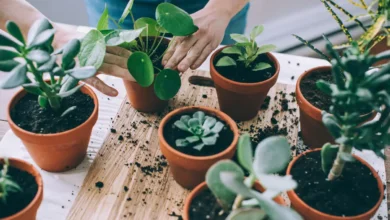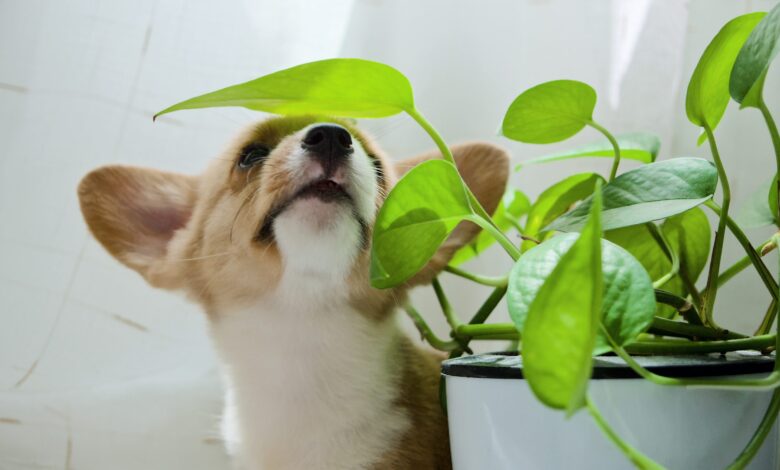
For pet owners who love incorporating plants into their home decor, choosing pet-friendly varieties is crucial. Many common houseplants can pose serious health risks to our beloved cats and dogs, with some varieties being lethal if consumed [−2]. The ASPCA has documented numerous cases where plants have triggered severe digestive issues or systemic reactions in pets [−1].
The good news is that there are many beautiful indoor plants that are completely safe for homes with pets. Many pet parents may not realize that certain popular houseplants can trigger dangerous symptoms in animals, from mild discomfort to severe complications like convulsions or organ failure [−3]. This comprehensive guide explores the world of pet-safe indoor greenery, focusing on plants that are non-toxic to both cats and dogs. We’ll explore our top recommendations, discuss what makes these plants safe for your furry friends, and offer practical advice for creating an environment where your botanical collection and beloved pets can safely coexist.
Understanding pet safe houseplants
Creating a pet-safe indoor environment requires a deep understanding of what constitutes a “pet friendly” plant. Let’s delve into the scientific aspects of pet safe houseplants and learn to differentiate between safe and potentially harmful options for your living space.

What makes a plant pet friendly?
A plant is considered pet friendly when it lacks harmful chemical compounds that could potentially affect cats and dogs upon ingestion. Many indoor plants naturally develop defensive toxins to protect themselves from consumption by animals, insects, and fungi. These defensive compounds can have varying impacts on pets. Even with non-toxic plant varieties, it’s recommended to prevent pets from nibbling on plants since any plant material can potentially cause mild digestive issues regardless of toxicity level.
While some plants pose no threat to pets whatsoever, others might trigger mild digestive discomfort. However, several common houseplants contain substances that can be severely toxic or potentially fatal to pets. The response to plant toxins varies between species—cats typically show greater sensitivity to certain plant toxins compared to dogs due to their unique metabolic processes.
ASPCA guidelines on plant toxicity
The American Society for the Prevention of Cruelty to Animals (ASPCA) offers extensive databases for identifying safe and harmful plants. Their records include plants known to cause systemic impacts or severe gastrointestinal distress in animals. The ASPCA emphasizes that while their plant directories are extensive, they represent the most commonly encountered species rather than an exhaustive list.
Checking the ASPCA’s toxic and non-toxic plant databases for both cats and dogs is crucial before introducing new plants. Importantly, the ASPCA maintains a round-the-clock poison emergency hotline (888-426-4435) for pet owners concerned about toxic plant ingestion.
Difference between mild and severe toxicity
Recognizing various toxicity levels helps pet owners make better plant choices. Mild toxicity usually results in temporary digestive issues, such as vomiting and diarrhea. Severe toxicity, however, can result in critical conditions including kidney failure, convulsions, or death.
Common indicators of mild plant toxicity include:
- Digestive upset including vomiting or diarrhea
- Excessive salivation and mouth irritation
- Short-term lethargy or reduced appetite
Severe toxicity symptoms requiring immediate veterinary care include:
- Respiratory distress
- Convulsions or muscle tremors
- Severe lethargy or fainting
- Irregular heartbeat
Despite these concerns, maintaining both plants and pets is possible. Through thorough research and strategic selection of pet friendly indoor plants, you can create a harmonious environment for both your botanical and animal family members.
Top 8 pet friendly indoor plants for cats and dogs
Ready to incorporate pet-safe greenery into your home decor? These eight carefully selected indoor plants combine aesthetic appeal with complete safety for your pets, making them ideal choices for households with four-legged companions.
1. Ponytail Palm
Despite its palm-like appearance, this fascinating succulent features a distinctive swollen base and flowing, ribbon-like foliage. The ponytail palm has been verified as completely safe for cats and dogs [1]. As a drought-tolerant plant that stores moisture in its trunk, it requires minimal care, flourishing in bright conditions with occasional watering.
2. Boston Fern
Boston ferns create an elegant atmosphere with their cascading, delicate fronds. While safe for pets [2], excessive consumption might lead to minor stomach discomfort. These humidity-loving plants thrive in bright, indirect light, making them particularly well-suited for bathroom environments.
3. Polka Dot Plant
The polka dot plant (Hypoestes phyllostachya) introduces vibrant patterns to your indoor garden with its distinctively speckled foliage. Though large quantities may cause mild gastrointestinal issues [3], it remains a secure choice for pet households.
4. String of Hearts
This charming vine (Ceropegia woodii) showcases dainty heart-shaped foliage on slender, trailing stems. While completely safe for both feline and canine companions [4], its dangling nature may attract playful pets. Consider elevated placement options like hanging planters to keep the plant out of reach of inquisitive animals.
5. Baby Rubber Plant
Unlike its toxic relative the Rubber Tree, the Baby Rubber Plant (Peperomia) poses no threat to pets [5]. Its petite profile and glossy foliage make it an excellent choice for limited spaces. This easy-care variety thrives with moderate watering and indirect sunlight.
6. Rattlesnake Plant
The Rattlesnake Plant (Calathea lancifolia) boasts distinctive undulating green leaves with markings reminiscent of snake scales [6]. Besides being pet-safe, it exhibits fascinating nyctinastic movement, lifting and lowering its leaves between day and night – hence its common name “prayer plant.”
7. Orchid (Phalaenopsis)
Graceful orchids are not only pet-friendly but their exquisite blooms are actually safe to eat [7]! These magnificent flowers prefer moderate to bright indirect light and serve as stunning focal points in any pet-friendly environment.
8. Fishbone Cactus
Unlike traditional cacti, the fishbone cactus (Epiphyllum anguliger) lacks spines and displays an interesting zig-zagged form. Safe for both cats and dogs [8], it helps purify indoor air and occasionally produces aromatic white blooms followed by edible fruits resembling gooseberries [9].
How to choose the right pet friendly plants for your space
Creating a pet-friendly indoor garden requires more than just selecting non-toxic plants. Success comes from thoughtful planning and careful monitoring of both your plants and pets.
Consider your pet’s behavior
Understanding how your pets interact with their surroundings is essential. Plant-chewing behaviors often stem from nutritional needs, curiosity, or simple boredom [10]. While some pets naturally outgrow their interest in plants, it’s always safer to be proactive with prevention [11]. Monitor your pets’ favorite spots and arrange your plants strategically to minimize unwanted interactions.
Match plant needs with your home environment
Different pet-safe plants have varying environmental requirements. Spider plants demonstrate remarkable adaptability while preferring bright, indirect light [12]. Boston ferns thrive in humid environments with filtered light, making them perfect bathroom additions [13]. African violets flourish under bright, indirect illumination [10]. Success largely depends on matching your home’s lighting conditions to suitable plant species.
Best locations for pet safe plants
Strategic positioning is crucial for maintaining a safe environment for both plants and pets. Consider utilizing elevated planters, decorative macramé hangers, or wall-mounted display shelves to keep your botanical beauties safely out of reach from inquisitive paws [14]. Window ledges serve as excellent spots for smaller plants, though it’s essential to ensure there’s no unintended “climbing path” created by nearby furniture arrangements [15]. In households with particularly adventurous or determined pets, establishing dedicated plant areas using attractive barriers can provide an extra layer of protection [16]. Furthermore, selecting robust, weighted planters helps prevent energetic dogs from accidentally toppling your cherished green companions [14].
Tips to keep pets and plants safe together
Creating a harmonious environment where both plants and pets can thrive requires careful consideration and planning. Here are vital guidelines to ensure their peaceful coexistence.
Training pets to avoid plants
Begin by redirecting your pet’s attention from houseplants through engaging alternatives like specialized cat grass. Next, explore pet-friendly deterrent options such as a diluted citrus solution (mixing 1 part lemon juice with 3 parts water) or diluted vinegar applied directly to plant foliage. Notably, the natural citrus aroma effectively discourages most cats and dogs while maintaining plant health.
Using plant stands and hanging pots
Position your pet-friendly houseplants beyond reach using elevated planters, decorative macramé hangers, or wall-mounted shelving units. For ground-level plants, opt for durable, heavy-based containers that remain stable during playful encounters. Additionally, terrariums provide an elegant solution for protecting smaller plants while creating designated green spaces away from pet activity zones.
Cleaning up fallen leaves and soil
Maintain regular cleanup of fallen foliage, particularly from roses and perennials, as these may retain toxic properties even after falling. However, for avocado and citrus plants, preserve the natural leaf litter as it provides essential nutrients. Also, consider implementing soil covers using stones or pet-safe barriers to prevent digging, while ensuring any decorative elements are too large to pose choking risks.
When to call the vet
Immediately contact your veterinarian or the ASPCA Poison Control (888-426-4435) if your pet exhibits any concerning symptoms following plant interaction. Remember that even non-toxic plants can potentially cause digestive discomfort and vomiting.
Conclusion
While establishing a pet-friendly indoor garden demands careful consideration and planning, the rewards of creating a safe space for both plant enthusiasts and pet lovers make the effort worthwhile. Throughout this guide, we’ve explored various secure options enabling you to enjoy vibrant greenery while prioritizing your pets’ wellbeing.
Armed with your newfound knowledge of pet-friendly plants, you can confidently make well-informed decisions for your indoor garden. The ASPCA’s detailed plant directories and emergency contact services serve as invaluable resources should you need guidance or face unexpected situations.
From the graceful Ponytail Palm to the lush Boston Fern, or any other pet-safe plant varieties discussed, remember that proper placement remains essential for peaceful cohabitation. Elevated plant stands, suspended planters, and designated growing zones provide practical solutions that keep your greenery secure from even the most inquisitive pets.
Combining effective pet training techniques with carefully chosen deterrent methods establishes the groundwork for an environment where both your botanical collections and animal companions can flourish. While most pets eventually learn to respect boundaries, maintaining vigilance regarding fallen plant material and seeking prompt veterinary care if consumption occurs remains crucial for long-term safety.
The satisfaction of watching your pets safely coexist with your indoor garden makes these protective measures worthwhile. Indeed, there’s no need to compromise between your passion for plants and your love for pets – with appropriate selections and thoughtful arrangement, your living space can successfully embrace both these interests. Your perfect indoor sanctuary awaits, ready to introduce natural elements without risking your pets’ safety.
Key Takeaways
Establishing a pet-safe indoor garden involves carefully selecting non-toxic plants and implementing effective safety measures to protect both your animal companions and botanical collection.
- Select ASPCA-verified plants such as Ponytail Palm, Boston Fern, and String of Hearts that pose no toxicity risks to cats and dogs.
- Proper placement is essential – utilize hanging baskets, elevated stands, and raised surfaces to protect plants from curious pets.
- Consider your pet’s habits by monitoring their behavior and choosing plants that complement both your home setting and your pet’s personality.
- Implement pet training using safe deterrent methods like diluted citrus sprays while offering alternatives such as pet grass to redirect interest.
- Recognize emergency indicators – seek veterinary assistance immediately if pets display symptoms including respiratory distress, convulsions, or severe lethargy after plant contact.
Keep in mind that even non-toxic plants may cause mild stomach upset if extensively consumed, so prevention through appropriate positioning and behavioral training remains your most effective approach for maintaining a harmonious pet-plant environment.
FAQs
Q1. Can I find houseplants that are entirely safe for both cats and dogs? Yes, numerous pet-friendly houseplants are completely non-toxic to both cats and dogs. Examples include the Ponytail Palm, Boston Fern, Polka Dot Plant, String of Hearts, and Baby Rubber Plant. These varieties can safely enhance your home’s greenery without endangering your beloved pets.
Q2. How can I prevent my pets from chewing on houseplants?
To protect your plants from curious pets, consider using natural deterrents like a diluted mixture of citrus essential oils or apple cider vinegar misted onto the foliage. Offering designated alternatives such as wheatgrass or catnip gardens can effectively redirect your pet’s plant-focused attention. Strategic placement using wall-mounted planters, elevated surfaces, or weighted containers can also keep vegetation safely beyond your pet’s reach.
Q3. What should I do if my pet ingests a plant?
If you notice your pet has consumed any plant material, particularly if they exhibit concerning symptoms such as gastrointestinal distress, unusual lethargy, or irregular behavior, contact your veterinarian promptly. For urgent situations, the ASPCA Animal Poison Control Center (888-426-4435) provides 24/7 emergency guidance. Remember that even non-toxic plants can trigger mild digestive issues when consumed excessively, so professional consultation is always recommended.
Q4. How do I choose the right pet-friendly plants for my home?
Select pet-safe plants that align with your home’s specific light conditions and environmental factors. For instance, Spider plants flourish in bright indirect light, while Boston ferns require consistent humidity. Consider your pet’s behavioral patterns and choose plant varieties that complement both your interior environment and your pet’s activity level.
Q5. Can I still have a diverse indoor garden with pets?
Definitely! The world of pet-friendly plants offers numerous options for creating a varied and visually appealing indoor garden. From cascading varieties like String of Hearts to vibrant specimens such as the Polka Dot Plant, you can incorporate diverse textures, hues, and growth patterns while maintaining pet safety. Through thoughtful arrangement and selection, your space can showcase botanical diversity while keeping your pets protected.