Top 7 Plants That Improve Sleep Quality: Natural Remedies for Restful Nights
Backed by Science

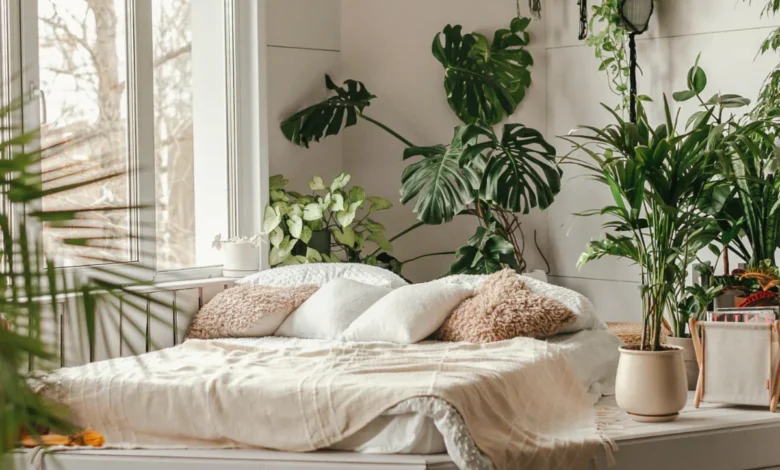
I’ll never forget the night I finally slept through for the first time in months – and it wasn’t because of some expensive sleep supplement or meditation app. It was the night after I’d filled my bedroom with three specific plants that I’d researched for weeks. I woke up feeling refreshed and actually thought my alarm was broken because I couldn’t believe I’d slept that soundly.
If you’re one of the millions of people struggling with poor sleep quality, tossing and turning night after night, you’ve probably tried everything from blackout curtains to white noise machines. But here’s something you might not have considered: the right plants that improve sleep quality can transform your bedroom into a natural sleep sanctuary that works with your body’s biology rather than against it.
The connection between indoor plants and better sleep isn’t just some wellness trend – it’s backed by solid scientific research from institutions like NASA and leading universities. These sleep-supporting plant babies work their magic through multiple mechanisms: purifying air, increasing oxygen levels, reducing stress hormones, and even releasing sleep-inducing compounds into your bedroom environment.
In this guide, I’m sharing the seven most effective plants that improve sleep quality, complete with the science behind why they work and exactly how to use them in your bedroom. Whether you’re dealing with insomnia, restless sleep, or just want to optimize your sleep environment naturally, these plants can make a real difference in how well you rest each night.
The Science Behind Plants and Better Sleep
Before we dive into the specific plants, let’s talk about why bringing greenery into your bedroom actually works for improving sleep quality. Understanding the mechanisms behind these benefits helps you maximize the sleep-enhancing effects and avoid common mistakes that reduce plant effectiveness.
How Plants Affect Sleep Environment
Plants influence sleep quality through several measurable environmental factors that directly impact how well we rest. The most significant is air purification – many houseplants actively remove volatile organic compounds (VOCs) like formaldehyde and benzene from indoor air. According to NASA’s Clean Air Study, certain plants can remove up to 87% of air toxins within 24 hours, creating cleaner air that supports better respiratory function during sleep.
Oxygen production is another crucial factor, especially with plants that release oxygen at night rather than during the day. Most plants photosynthesize during daylight and release oxygen then, but several species (like snake plants and aloe vera) continue producing oxygen after dark through a special process called Crassulacean Acid Metabolism (CAM). This nighttime oxygen boost can improve breathing and sleep quality, particularly in smaller bedrooms with limited ventilation.
Humidity regulation also plays a significant role in sleep comfort. Plants release moisture through transpiration, naturally humidifying dry indoor air that heating and cooling systems create. The optimal humidity range for sleep is 40-60%, and strategic plant placement can help maintain these levels without mechanical humidifiers. This is especially beneficial during winter months when heating systems create uncomfortably dry conditions that disrupt sleep.
The Psychology of Green Spaces in Bedrooms
The psychological benefits of plants that improve sleep quality are just as important as the environmental factors, though they’re often overlooked. Research from the University of Technology Sydney found that indoor plants can reduce psychological stress by up to 37% and physiological stress markers by 25%. When stress hormones like cortisol decrease, your body can more easily transition into restful sleep states.
The color green itself has documented calming effects on the nervous system. Studies show that viewing green spaces, even indoors, activates the parasympathetic nervous system – your body’s “rest and digest” mode. This biological response to greenery is why hospital patients with views of nature recover faster, and the same principle applies to bedroom plants supporting better sleep.
There’s also a fascinating connection between caring for plants and improved sleep quality. The act of tending to your plant babies creates a calming bedtime routine that signals to your brain that it’s time to wind down. I’ve found that my evening plant check has become as much a part of my sleep hygiene as brushing my teeth – it’s a peaceful transition activity that prepares my mind for rest.
The 7 Best Plants That Improve Sleep Quality
Now let’s get into the specific plants that science and experience have proven most effective for better sleep. Each of these plants offers unique benefits, and you’ll likely find that combining two or three creates the most noticeable improvements in your sleep environment.
1. Lavender: The Sleep-Inducing Superstar
Lavender is probably the most well-known plant for sleep improvement, and its reputation is thoroughly deserved. The scent of lavender has been clinically proven to reduce anxiety, lower heart rate, and improve sleep quality. A study published in the Journal of Biological and Pharmaceutical Bulletin found that lavender aromatherapy increased deep sleep and made participants feel more refreshed upon waking.
What makes lavender particularly effective is linalool, a compound in lavender essential oils that has documented sedative effects. Having a living lavender plant in your bedroom provides continuous low-level exposure to these beneficial compounds throughout the night. Unlike artificial lavender products, the live plant releases compounds gradually and naturally without overwhelming your senses.
Growing lavender indoors requires some attention to its needs, but it’s absolutely worth the effort. Lavender plants need at least 6-8 hours of bright light daily, so positioning them near a south-facing window or supplementing with grow lights is essential. They prefer drier soil conditions, so let the soil dry out between waterings to prevent root rot.
Pro tip: Gently brush your lavender plant before bed to release more of those sleep-promoting aromatic compounds. I do this every evening as part of my bedtime routine, and the immediate calming effect is noticeable. Just don’t overdo it – a light touch is all you need to activate the scent without damaging the plant.
2. Snake Plant: The Oxygen Producer
Snake plants (Sansevieria) are absolute champions when it comes to plants that improve sleep quality, primarily because they’re one of the few houseplants that release oxygen at night. While most plants only produce oxygen during daylight hours, snake plants continue this process after dark through CAM photosynthesis, making them perfect bedroom companions.
The air purification capabilities of snake plants are equally impressive. Research shows they effectively remove formaldehyde, benzene, trichloroethylene, and xylene from indoor air – all common household toxins that can interfere with sleep quality. A single snake plant can purify air in a 100-square-foot room, though having 2-3 plants provides even better results.
What I love most about snake plants for bedroom use is their incredible low-maintenance nature. They tolerate low light conditions that many other plants struggle with, require minimal watering (every 2-3 weeks), and are nearly impossible to kill unless you seriously overwater them. This makes them perfect for plant parents who want sleep benefits without complicated care routines.
The only real consideration with snake plants is their mild toxicity if ingested, so keep them out of reach if you have curious pets or small children. Beyond that, they’re practically foolproof bedroom plants that deliver real sleep quality improvements with minimal effort.
3. Jasmine: The Stress-Reducing Beauty
Jasmine plants offer some of the most compelling evidence for plants that improve sleep quality. A study conducted by Wheeling Jesuit University found that sleeping in a room with jasmine scent led to increased sleep efficiency, reduced sleep movement, and participants reporting feeling more alert and refreshed the next day. These effects were even more pronounced than those from lavender in some measures.
The exotic, sweet fragrance of jasmine has documented anxiolytic (anxiety-reducing) properties that help quiet racing thoughts that often prevent sleep. What’s particularly interesting is that jasmine’s effects continue throughout the night, not just at bedtime, helping maintain deeper sleep states for longer periods.
Growing jasmine indoors requires some specific conditions, but the sleep benefits make it worthwhile. Most indoor jasmine varieties (like Jasminum polyanthum) need bright, indirect light and prefer slightly cooler nighttime temperatures, which actually aligns well with optimal sleep temperatures. They appreciate higher humidity, so grouping them with other plants or using a pebble tray helps maintain their health.
I keep my jasmine plant about three feet from my bed – close enough to benefit from the fragrance but not so close that it’s overwhelming. During blooming periods, the scent is more intense, and some people find they need to move it slightly further away. Pay attention to your own response and adjust positioning accordingly.
4. Aloe Vera: The Air Quality Guardian
Aloe vera plants are sleep superstars that often don’t get the recognition they deserve. Like snake plants, aloe produces oxygen at night through CAM photosynthesis, making it one of the best plants for improving bedroom air quality while you sleep. This continuous oxygen production is particularly beneficial in smaller bedrooms where air circulation might be limited.
The air purification abilities of aloe vera are well-documented. Studies show it effectively removes formaldehyde and benzene from indoor air, two common pollutants found in bedrooms from sources like furniture off-gassing and cleaning products. Cleaner air translates directly to better breathing and more restful sleep, especially for people with respiratory sensitivities.
Aloe vera’s low-maintenance requirements make it ideal for bedroom placement. These succulents thrive on neglect, requiring water only every 2-3 weeks and tolerating various light conditions (though they prefer bright, indirect light). They’re also incredibly forgiving if you forget about them occasionally, which is perfect for busy plant parents.
One unexpected benefit I discovered is that having aloe vera readily available in my bedroom means I have instant relief for minor burns or skin irritations. While this isn’t directly sleep-related, there’s something reassuring about having this natural first-aid remedy nearby. Just break off a leaf and apply the gel – it’s nature’s perfect healing solution.
5. Peace Lily: The Humidity Regulator
Peace lilies are powerhouse plants that improve sleep quality through multiple mechanisms. Their exceptional air purification capabilities remove ammonia, benzene, formaldehyde, and trichloroethylene from bedroom air. But what makes them particularly valuable for sleep is their ability to increase humidity levels through transpiration, naturally combating the dry air that heating and cooling systems create.
Dry air is a sneaky sleep disruptor that many people don’t realize is affecting their rest. It can cause breathing difficulties, dry nasal passages, snoring, and morning grogginess. Peace lilies release moisture into the air, helping maintain that optimal 40-60% humidity range that supports comfortable breathing throughout the night.
Peace lilies also offer visual cues about their needs, which makes them easy to care for even for beginners. When they need water, they droop dramatically, then perk back up within hours of watering. This clear communication takes the guesswork out of plant care, reducing the stress that sometimes comes with keeping houseplants healthy.
The elegant white blooms add a peaceful, spa-like atmosphere to bedrooms that psychologically supports relaxation and sleep preparation. I find that the simple beauty of my peace lily contributes to my bedroom feeling like a true sanctuary rather than just a place to crash.
Important note: Peace lilies are toxic to pets if ingested, so place them safely out of reach if you have cats or dogs that might nibble on plants.
6. English Ivy: The Allergen Fighter
English ivy might not be the first plant that comes to mind for better sleep, but research shows it’s incredibly effective at removing airborne allergens that disrupt rest. A study by the American College of Allergy, Asthma & Immunology found that English ivy reduced airborne mold by 94% within 12 hours – a game-changer for anyone with allergies or respiratory sensitivities.
For people whose sleep is disrupted by allergies, snoring, or breathing difficulties, English ivy can provide noticeable relief. Cleaner, allergen-free air means less nighttime congestion, fewer sleep interruptions, and better overall rest quality. The plant works continuously to filter air, providing 24/7 protection against allergens that would otherwise accumulate in bedroom spaces.
English ivy is also remarkably adaptable to various indoor conditions, tolerating lower light levels than many other plants that improve sleep quality. It prefers cooler temperatures (55-70°F), which actually aligns perfectly with the cooler bedroom temperatures recommended for optimal sleep. This makes it naturally suited to bedroom environments.
Growing English ivy is relatively straightforward – keep the soil consistently moist but not waterlogged, provide moderate indirect light, and give it something to climb or trail from. I have mine in a hanging planter where the trailing vines create a beautiful green cascade that adds visual interest to my sleep space.
Word of caution: English ivy is toxic to pets and children if ingested, and some people experience skin irritation from handling it. Wear gloves when pruning and keep it positioned safely away from curious pets or kids.
7. Valerian: The Natural Sedative
Valerian plants offer perhaps the most direct sleep-promoting effects of any plant on this list. The root of valerian has been used for centuries as a natural sleep aid and is still recommended by herbalists today. While you won’t typically harvest roots from your bedroom plant, the flowers and foliage also release compounds that promote relaxation and sleep.
Studies show that valerian increases GABA (gamma-aminobutyric acid) availability in the brain, the same neurotransmitter that many prescription sleep medications target. Having a living valerian plant in your bedroom provides gentle, continuous exposure to these beneficial compounds without any of the side effects associated with pharmaceutical sleep aids.
Valerian produces beautiful clusters of white or pink flowers in summer that have a sweet, slightly musky scent. Some people find the scent of valerian flowers less pleasant than lavender or jasmine, so you might want to test your response before committing to keeping one in your bedroom. I personally enjoy the earthy, slightly medicinal smell, but preferences vary widely.
Growing valerian requires moderate light and consistent moisture, making it slightly more demanding than some other sleep plants. However, for people struggling with severe insomnia or sleep anxiety, the benefits can be substantial enough to warrant the extra care attention.
How to Position Sleep-Enhancing Plants in Your Bedroom
Getting the most benefit from plants that improve sleep quality isn’t just about choosing the right species – placement and quantity matter significantly for optimizing their sleep-supporting effects.
Optimal Placement for Maximum Benefits
The positioning of your sleep plants affects both their health and their effectiveness at improving your rest. Most sleep-supporting plants should be placed within 6-8 feet of your bed to ensure you’re breathing the purified, oxygen-enriched air they produce. However, plants shouldn’t be so close that they’re easily disturbed during sleep or that their fragrance becomes overwhelming.
I’ve found the perfect setup is having one larger plant (like a snake plant or peace lily) on each nightstand or nearby dresser, positioned about 3-4 feet from where I sleep. This creates a bubble of improved air quality around the sleeping area without crowding the bed itself. A third plant can go across the room where it balances the aesthetics while still contributing to overall air quality.
Light considerations are crucial for bedroom plant placement. South or east-facing windows provide ideal light for most plants, but if your bedroom lacks good natural light, don’t worry – several sleep-supporting plants (snake plants, peace lilies, English ivy) tolerate lower light conditions. Alternatively, small LED grow lights on timers can supplement natural light without disrupting your sleep.
Avoid placing plants where they’ll be hit by heating or air conditioning vents, as the forced air stresses plants and reduces their effectiveness. Also avoid positioning plants where they’ll be knocked over when you get up at night – stumbling over a fallen pot is definitely not conducive to good sleep!
How Many Plants Do You Need?
The optimal number of plants that improve sleep quality depends on your bedroom size and air circulation, but research suggests a minimum of 2-3 plants per 100 square feet for noticeable air quality improvements. For a standard 10×12 foot bedroom (120 square feet), that means starting with at least 2-3 medium-sized plants.
However, more isn’t always better when it comes to bedroom plants. Too many plants can create excess humidity that promotes mold growth or makes the room feel stuffy. I learned this the hard way when I went overboard and turned my bedroom into a jungle – the humidity levels climbed above 65%, and I actually started sleeping worse despite having all the “right” plants.
Start with 2-3 carefully chosen plants and observe how they affect your sleep over several weeks. You can always add more if you feel you need additional benefits, but it’s easier to start conservative and increase than to deal with an overly humid, crowded bedroom that defeats the purpose.
Consider plant size in your calculations. One large snake plant (3-4 feet tall) provides more air purification than three small 6-inch specimens. If space is limited, choosing larger specimens of fewer species often works better than cramming in lots of small plants.
Caring for Your Sleep-Supporting Plant Babies
Proper care ensures your bedroom plants stay healthy enough to provide maximum sleep benefits. Fortunately, most plants that improve sleep quality are relatively low-maintenance and forgiving of occasional neglect.
Watering Schedule for Bedroom Plants
Bedroom plants generally need less water than plants in other rooms because bedrooms typically have lower light levels that reduce water consumption. Overwatering is the number one killer of indoor plants, and it’s especially problematic in bedrooms where excess moisture can promote mold growth that negatively affects sleep.
Most bedroom plants thrive with a “water when dry” approach. Check soil moisture by inserting your finger 1-2 inches deep – if it feels dry at that depth, it’s time to water. For succulents like aloe vera and snake plants, wait until the soil is completely dry throughout the pot before watering again, which might be every 2-3 weeks.
I’ve found that establishing a weekly plant check routine works perfectly. Every Sunday morning, I check all my bedroom plants’ soil moisture and water only those that need it. This prevents the neglect that comes from forgetting about plants while ensuring I don’t water on a rigid schedule that doesn’t match their actual needs.
Water temperature matters more than many people realize. Room-temperature water is ideal – cold water can shock plant roots and inhibit nutrient uptake, while hot water can damage roots. I keep a watering can filled in my bedroom so the water naturally reaches room temperature before I use it.
Always ensure excess water drains completely from pots. Standing water in saucers creates the perfect environment for mold, fungus gnats, and root rot – all things that will disrupt your sleep rather than improve it. Empty saucers within an hour of watering to prevent these problems.
Light Requirements and Solutions
Light management is crucial for keeping bedroom plants healthy enough to provide sleep benefits. Most bedrooms offer less light than other rooms in the home, which actually works fine for many sleep-supporting plants but requires some awareness and occasional adjustments.
Snake plants, peace lilies, and English ivy all tolerate low to moderate light conditions, making them perfect for bedrooms with limited natural light. Lavender, jasmine, and valerian need brighter conditions and should be positioned near windows or supplemented with grow lights if your bedroom doesn’t have strong natural light.
I use small, unobtrusive LED grow lights on timers for my light-demanding bedroom plants. The key is setting timers to turn off at least 2 hours before bedtime so the light doesn’t interfere with your sleep preparation. My lights run from 7 AM to 6 PM, providing 11 hours of supplemental light while ensuring my bedroom is naturally dark when I’m ready to wind down.
Rotating plants weekly ensures all sides receive adequate light exposure, promoting even growth and preventing the leaning and stretching that happens when plants grow toward their light source. This simple weekly rotation keeps plants looking attractive and healthy.
Watch for signs of inadequate light: yellowing leaves, leggy growth, or plants that lean dramatically toward windows. If you notice these symptoms, either move plants closer to natural light sources or add supplemental lighting to support their health.
Common Mistakes That Reduce Sleep Plant Benefits
Even with the best intentions, certain mistakes can reduce or eliminate the sleep benefits your bedroom plants should be providing. Understanding these pitfalls helps you avoid problems that sabotage your efforts to improve sleep naturally.
Overwatering is the most common mistake that actually makes sleep worse rather than better. Waterlogged soil creates the perfect environment for mold spores that become airborne and trigger allergies, respiratory issues, and sleep disruption. If you notice a musty smell in your bedroom or see mold on soil surfaces, you’re watering too frequently and need to pull back significantly.
Positioning plants too close to your bed can backfire in several ways. Strongly scented plants like jasmine or valerian might be overwhelming when they’re right next to your pillow, triggering headaches or sensitivity reactions that disrupt sleep. Plants also release small amounts of carbon dioxide at night (though much less than they produce oxygen during the day), and having them too close concentrates this around your breathing space.
Neglecting basic plant maintenance creates problems that interfere with sleep benefits. Dusty leaves can’t effectively purify air or produce oxygen efficiently. Dead leaves and flowers attract pests and promote mold growth. Taking just 5 minutes weekly to wipe leaves, remove dead material, and check for pest issues maintains your plants’ ability to support better sleep.
Another mistake I see frequently is choosing plants based purely on aesthetics without considering their actual sleep-supporting properties. Not all houseplants improve sleep quality – in fact, some release compounds that can be slightly stimulating rather than calming. Stick with the proven sleep-supporting species rather than just grabbing whatever looks pretty at the nursery.
Finally, giving up too quickly prevents you from experiencing the full benefits. Plants that improve sleep quality typically take 2-4 weeks to show noticeable effects as they acclimate to your bedroom environment and reach sufficient size to impact air quality. Many people abandon their bedroom plant experiment after just a week or two, before the benefits have time to manifest.
FAQ: Plants and Sleep Quality
Do bedroom plants really improve sleep, or is it just placebo effect?
While psychological factors certainly play a role, the sleep benefits of certain plants are backed by solid scientific research. Studies using objective sleep measurements (not just participant reports) show improved sleep efficiency, reduced sleep latency, and increased deep sleep when specific plants like lavender and jasmine are present in bedrooms. The air purification and oxygen production effects are measurable and real, not placebo.
How long does it take to notice better sleep from bedroom plants?
Most people report noticing improvements within 2-4 weeks of adding sleep-supporting plants to their bedrooms. The timeline varies based on bedroom size, plant size and quantity, and individual sensitivity. Air quality improvements happen faster (within days), while the full psychological and physiological benefits develop gradually as plants become part of your sleep environment and routine.
Can you have too many plants in your bedroom?
Yes, absolutely. Excess plants can create humidity levels above the optimal 60% threshold, which promotes mold growth and can make breathing uncomfortable during sleep. Too many plants also take up space and can make bedrooms feel cluttered rather than restful. Start with 2-3 plants per 100 square feet and add more only if you feel additional benefits are needed.
Are any sleep-supporting plants dangerous to have in bedrooms?
Most plants that improve sleep quality are safe for bedrooms, but several are toxic if ingested (peace lilies, English ivy, snake plants). This matters primarily if you have pets or young children who might chew on plants. Additionally, people with severe pollen allergies might react to flowering plants like jasmine or valerian. If you have specific allergies or sensitivities, research individual plants before bringing them into your sleep space.
Do plants release carbon dioxide at night and reduce bedroom oxygen?
Plants do release small amounts of carbon dioxide at night through respiration, but the amounts are negligible compared to what you exhale yourself. CAM plants like snake plants and aloe vera actually continue releasing oxygen at night, providing net positive air quality effects. The concerns about plants “using up oxygen” in bedrooms are vastly overstated – you’d need an unrealistic number of plants to create any measurable oxygen depletion.
Will bedroom plants help with snoring or sleep apnea?
While plants won’t cure sleep apnea (which requires medical treatment), they can help reduce some factors that worsen snoring and mild sleep-disordered breathing. Improved humidity from plants reduces dry nasal passages and throat irritation that contribute to snoring. Air purification reduces allergens that cause congestion and breathing difficulties. However, plants should complement, not replace, proper medical treatment for diagnosed sleep disorders.
Transform Your Sleep Sanctuary Starting Tonight
Remember, creating a bedroom environment that supports truly restorative sleep doesn’t require expensive gadgets or pharmaceutical interventions. The right plants that improve sleep quality offer a natural, beautiful solution that works with your body’s biology to promote better rest night after night.
Your journey to better sleep through plants doesn’t have to happen all at once. Start with one or two of the plants that resonated most with you from this guide – maybe a low-maintenance snake plant if you’re new to plant parenting, or lavender if you’re specifically dealing with anxiety-related sleep issues. Give these plant babies time to acclimate to your bedroom and observe how they affect your sleep quality over several weeks.
The beauty of using plants to improve sleep is that the benefits compound over time. Not only does your air quality continue improving as plants grow larger and more established, but the ritual of caring for your sleep-supporting plants becomes a meaningful bedtime routine that signals to your brain it’s time to wind down. I’ve found that my evening plant check has become one of my favorite parts of the day – a peaceful few minutes of connection with nature that prepares me perfectly for restful sleep.
Don’t get discouraged if you don’t notice dramatic improvements immediately. Better sleep through plants is about creating gradual, sustainable improvements to your sleep environment rather than quick fixes. Pay attention to subtle changes like waking up feeling slightly more refreshed, falling asleep a bit faster, or having fewer middle-of-the-night wake-ups. These small improvements add up to significantly better rest over time.
Your bedroom should be a sanctuary that supports your health and wellbeing, and the right plants are natural allies in creating that perfect sleep environment. Whether you choose one plant or all seven from this list, you’re taking a meaningful step toward better sleep naturally.
Start with the plant that calls to you most strongly, give it the care it needs to thrive, and let it work its quiet magic while you sleep. Your future well-rested self will thank you for making this simple but powerful change to your sleep environment!
Happy Planting, Jasmine




One Comment