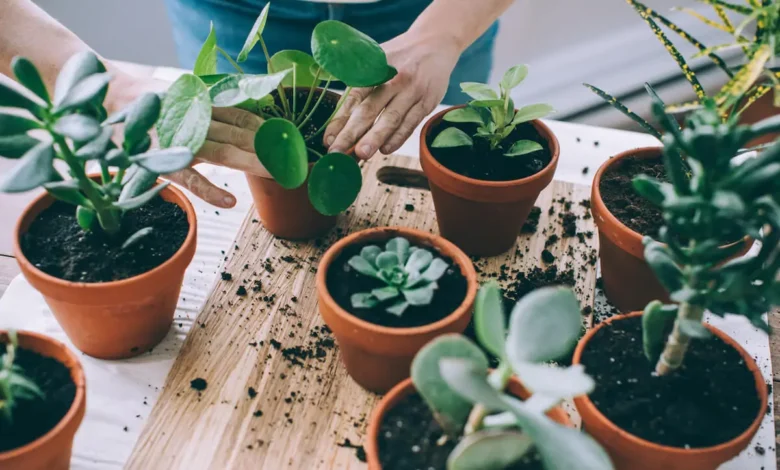
I killed my first succulent by planting it in regular potting mix meant for my tropical plants. The aloe rotted within three weeks. Then I nearly killed a monstera by using leftover succulent mix that drained too fast. That expensive lesson taught me that soil requirements for these two plant categories are polar opposites.
Succulents and tropical plants represent the extremes of indoor plant watering needs. Their native environments shaped completely different root systems and moisture requirements. Understanding these differences is essential for choosing or creating appropriate soil mixes.
In this guide, I’m breaking down exactly what makes succulent and tropical plant soils different, providing specific recipes for each, and explaining why using the wrong mix leads to problems. You’ll learn to match soil characteristics to plant needs for healthier, thriving specimens.


Why Soil Type Matters So Much
The right soil makes the difference between thriving plants and constant struggles. Understanding why these two plant types need different mixes prevents costly mistakes.
How Plants Evolved Different Soil Needs
Succulents evolved in arid environments with infrequent rainfall and extremely fast drainage. Their native soils are sandy, rocky, or gravelly with minimal organic matter.
Desert and semi-desert conditions created plants that store water in leaves and stems. Their roots are adapted to absorb water quickly during brief wet periods, then stay dry for extended times.
Tropical plants evolved in rainforests with frequent rainfall, high humidity, and rich organic matter. The forest floor stays consistently moist but never waterlogged due to excellent natural drainage.
Tropical plant roots expect regular moisture availability with good aeration. They’re not adapted to bone-dry conditions or constantly saturated soil.
Using the wrong soil type fights against millions of years of evolution. You’re asking plants to adapt to conditions their species never experienced.
The Root System Differences
Succulent roots are typically shallow and sparse compared to plant size. They’re designed for quick water absorption during brief opportunities.
Many succulents develop extensive fine root hairs that maximize water uptake from minimal moisture. These delicate roots rot easily in constantly moist conditions.
Tropical plant roots are more extensive and fibrous. They’re built to sustain steady water uptake to support large leaf canopies that transpire heavily.
Tropical roots tolerate and even prefer consistent moisture as long as they receive adequate oxygen. They stress and die back in extended dry periods.
I can feel these differences when repotting. Succulent roots feel delicate and snap easily. Tropical plant roots are thicker, more flexible, and fill their containers much more densely.
What Happens With Wrong Soil
Succulents in tropical plant soil stay too wet for too long. The moisture-retentive mix keeps roots damp, promoting rot.
Root rot in succulents progresses rapidly. By the time you notice yellowing or soft leaves, the root system is often completely dead.
Tropical plants in succulent soil dry out too quickly. The fast-draining mix can’t hold enough moisture between waterings.
Constantly dry tropical plants develop brown leaf edges, drop leaves, and grow slowly. They’re stuck in permanent drought stress even with frequent watering.
Succulent Soil Requirements
Understanding what succulents need helps you choose or create appropriate mixes that keep them healthy.
Drainage as Priority One
Drainage speed is the most critical factor for succulent soil. Water should flow through quickly, not lingering around roots.
Ideal succulent soil drains within seconds of watering. Excess water exits drainage holes almost immediately.
The soil particles remain separate rather than clumping together. This creates air channels throughout the mix.
Even after thorough watering, the soil should feel barely damp, not wet or soggy. This minimal moisture is perfect for succulent roots.
Fast drainage prevents the prolonged wetness that causes rot. It mimics the quick-drying conditions of desert rainfall.
Gritty Components
Succulent soil needs high proportions of inorganic materials that don’t hold water. These gritty components ensure fast drainage.
Perlite, pumice, coarse sand, and small gravel all contribute to drainage. These materials create permanent air pockets and drainage channels.
The ratio of gritty materials to organic matter should be at least 50:50, often 60:40 or even 70:30 for very drought-adapted species.
More grit means faster drainage. You can adjust ratios based on your watering habits and climate.
In humid climates or for forgetful waterers, increase grit percentage. In dry climates with diligent waterers, slightly less grit works.
Minimal Organic Matter
Organic components in succulent mixes should be minimal. Too much organic matter retains too much moisture.
Coco coir or peat moss makes up just 30-40% of the mix. This provides some moisture retention and structure without excessive water-holding.
The organic matter holds just enough moisture for roots to access between thorough drying periods.
Some growers use as little as 20% organic material for plants like lithops or other extreme succulents.
pH Requirements
Most succulents prefer slightly acidic to neutral pH (6.0-7.0). Standard potting components fall naturally into this range.
Cactus-specific mixes often include limestone or other pH adjusters. These aren’t essential for most common succulents.
Don’t overthink pH for succulents. Basic coco coir or peat with gritty amendments works perfectly.
Tropical Plant Soil Requirements
Tropical plants need completely different soil characteristics. Understanding these needs ensures healthy growth.
Moisture Retention Balance
Tropical soil must hold moisture while still draining excess water. This balance is trickier than succulent soil’s straightforward drainage focus.
Water should drain steadily but not instantly. The soil should stay lightly moist between waterings, not bone dry.
Good tropical soil feels moist 1-2 inches below the surface even when the top inch is dry. This ensures roots always have water access.
The moisture retention comes from organic components like peat moss or coco coir that act like sponges.
But drainage remains important. Tropical plants need aeration too – their roots rot in constantly saturated soil.
Organic Matter Content
Tropical plant soil should be 50-70% organic materials. This high organic content mimics forest floor conditions.
Peat moss or coco coir forms the base, providing moisture retention and structure.
Compost or worm castings add nutrients and improve texture. These materials also help retain moisture.
The organic matter decomposes slowly, gradually improving soil structure over time.
High organic content also provides nutrients as materials break down. This reduces fertilizing needs compared to more inorganic mixes.
Aeration Components
Even moisture-loving tropicals need soil aeration. Perlite or bark chips create air pockets within the moisture-retentive base.
Perlite makes up 20-30% of most tropical mixes. This provides aeration without sacrificing moisture retention.
Orchid bark (small or medium grade) works wonderfully in tropical mixes. The chunky particles create larger air pockets than perlite.
I’ve had great success adding bark to mixes for aroids like monsteras and philodendrons. They love the extra aeration.
pH Requirements
Most tropical houseplants prefer slightly acidic soil (5.5-6.5). Peat moss and coco coir naturally fall into this range.
You rarely need to adjust pH for tropical plants. Standard potting mixes using these components work perfectly.
Some plants like azaleas prefer more acidic conditions. But common tropicals thrive in typical potting mix pH.
Succulent Soil Recipes
These proven recipes create ideal growing conditions for various succulent types.
Basic All-Purpose Succulent Mix
This mix works for most common succulents: echeveria, sedum, jade plants, and similar varieties.
Ingredients:
- 40% coco coir or peat moss
- 30% perlite
- 30% coarse sand or pumice
Mixing Instructions:
Combine all ingredients in a large container or tarp. Mix thoroughly until components are evenly distributed.
Moisten slightly before using. Bone-dry mix is difficult to wet after potting.
This 60:40 ratio of gritty to organic materials drains quickly while providing some moisture retention.
Adjust ratios based on your environment. Humid areas benefit from more grit, dry areas from slightly more organic matter.
Extra-Gritty Mix for Sensitive Succulents
Use this for rot-prone species like lithops, haworthia, or other slow-growing succulents.
Ingredients:
- 30% coco coir or peat moss
- 35% perlite or pumice
- 35% coarse sand
Why It Works:
The 70% inorganic material creates extremely fast drainage. Water rushes through, leaving barely damp soil.
This aggressive drainage prevents rot in species with very sensitive root systems.
I use this mix for my haworthias and they’ve thrived since making the switch from standard succulent mix.
Cactus-Specific Mix
Cacti prefer even more drainage than most succulents, plus slightly different component balance.
Ingredients:
- 30% coco coir
- 40% perlite or pumice
- 20% coarse sand
- 10% fine gravel
Special Considerations:
The gravel adds weight that helps anchor tall cacti. It also improves drainage at the pot bottom.
Cacti roots prefer slightly different aeration patterns. The varied particle sizes create diverse air pockets.
This mix mimics the rocky, gravelly soils cacti grow in naturally.
Tropical Plant Soil Recipes
These formulas create ideal conditions for tropical houseplants with different needs.
Standard Tropical Foliage Mix
Perfect for pothos, philodendrons, peace lilies, and most common tropical houseplants.
Ingredients:
- 50% coco coir or peat moss
- 30% perlite
- 20% compost or worm castings
Why This Works:
The 50% organic base provides excellent moisture retention for regular watering schedules.
Perlite adds crucial aeration while compost supplies nutrients and improves texture.
This mix drains well while staying consistently moist – exactly what tropical plants prefer.
I’ve used variations of this formula for years with consistently excellent results across dozens of tropical species.
Aroid Mix (Monsteras, Philodendrons)
Aroids prefer more aeration than other tropicals due to their epiphytic nature.
Ingredients:
- 40% coco coir or peat moss
- 30% perlite or pumice
- 30% orchid bark (medium grade)
Special Properties:
The chunky bark creates large air pockets that epiphytic roots love. This mimics growing on trees where roots access lots of air.
Higher aeration percentage prevents the density issues some aroids develop in standard mixes.
My monstera and philodendron growth rates tripled after switching to this chunkier mix.
Moisture-Loving Tropical Mix
Use this for ferns, calatheas, and other tropicals preferring consistently moist conditions.
Ingredients:
- 60% coco coir or peat moss
- 20% perlite
- 20% worm castings or compost
Why Higher Organic Content:
The 60% organic base holds significantly more moisture. This reduces watering frequency for moisture-demanding species.
Less perlite means slightly slower drainage, keeping soil moist longer.
The extra compost provides nutrients these fast-growing plants demand.
This mix works wonderfully for my ferns and calatheas that wilt if they get too dry.
Common Soil Mixing Mistakes
These frequent errors cause problems even when you’re trying to provide appropriate soil.
Using Garden Soil Indoors
Never use outdoor garden soil for any houseplants. It compacts severely in containers, becoming rock-hard.
Garden soil also harbors pests, diseases, and weed seeds that create indoor problems.
The drainage in containers is completely different from garden beds. Garden soil that works perfectly outside fails miserably in pots.
Always start with potting mix components designed for container growing.
Reusing Old Potting Mix
Used potting mix has broken down, compacted, and lost its original structure. It won’t perform like fresh mix.
The drainage and aeration that made it suitable initially have degraded significantly.
Organic components decompose over time. Year-old mix is denser and less effective than when new.
If you must reuse soil, refresh it with at least 50% new components and extra perlite to restore drainage.
Wrong Perlite Size
Perlite comes in different grades. Using the wrong size affects performance.
Fine perlite is nearly useless for drainage. It’s too small to create meaningful air channels.
Medium to coarse perlite creates the air pockets plants need. Always choose larger grades.
Some bags don’t specify size. Squeeze the bag – you should feel distinct chunks, not dust.
Inconsistent Mixing
Poor mixing leaves pockets of pure perlite or pure organic matter. This creates irregular drainage patterns.
Some areas stay too wet while others dry out instantly. Roots grow unevenly, creating weak plants.
Mix thoroughly in batches large enough to combine easily. Small amounts are harder to mix uniformly.
I mix on a large tarp, turning the pile repeatedly until I see even distribution throughout.
Measuring by Weight
Soil components should be measured by volume, not weight. A pound of perlite and a pound of coco coir have vastly different volumes.
Volume measurements ensure correct ratios regardless of component density.
Use a consistent scoop or bucket to measure. A 2-quart container works well for batch mixing.
Testing Your Soil Mix
Before committing your entire plant collection, test your custom mix to ensure it performs as expected.
The Drainage Test
Water a pot of your mix thoroughly. Time how long water takes to drain from the bottom holes.
Succulent mix should drain in seconds. Tropical mix should drain steadily over 10-30 seconds.
If drainage is too slow, add more perlite or similar amendments. If too fast, increase organic matter.
The Squeeze Test
Grab a handful of moist (not wet) mix and squeeze firmly. Open your hand and observe what happens.
Succulent mix should crumble apart immediately with little to no clumping.
Tropical mix should form a loose ball that crumbles when poked but holds together initially.
This test reveals moisture retention characteristics before you pot precious plants.
The Settling Test
Fill a pot with your mix and water thoroughly. Let it sit for 24 hours and check the soil level.
If the level drops significantly, the mix is too fluffy and will compact quickly.
Slight settling is normal. Major settling (more than half an inch) indicates the mix needs adjustment.
Add more coarse components if settling is excessive. They resist compaction better than fine particles.
Transitioning Plants Between Soil Types
Sometimes you need to move plants from one soil type to another. Doing this correctly prevents shock.
When to Repot
Repot during active growing seasons when plants recover quickly. Spring is ideal for most species.
Never repot during dormancy or stress periods. Wait until plants are healthy and actively growing.
Repotting during growth gives plants energy to establish in new soil quickly.
Gradual vs. Complete Change
For healthy plants, complete soil change during repotting is fine. Remove as much old soil as possible without damaging roots.
For stressed or recently purchased plants, consider gradual transition. Mix 50% old soil with 50% appropriate new mix initially.
This gentler approach reduces shock while still improving drainage or moisture retention.
After one growing season, repot completely into 100% appropriate mix.
Adjusting Watering
Watering frequency must change when soil changes. Monitor plants closely after repotting.
Succulents moved to proper fast-draining mix need more frequent watering initially until established.
Tropicals moved to better moisture-retentive mix need less frequent watering to prevent overwatering.
Let plants guide your adjustments rather than following previous schedules.
Seasonal Soil Considerations
Soil performance changes with seasons. Understanding these variations helps you adjust care appropriately.
Summer Considerations
Heat increases evaporation rates. Even succulent soil dries faster than in cooler months.
Tropical plants may need slightly more moisture-retentive mix in very hot, dry climates.
Monitor plants more frequently during heat waves. Soil that worked perfectly in spring might dry too fast in July.
Winter Adjustments
Cold temperatures and shorter days slow plant growth dramatically. Soil that drained perfectly in summer may stay too wet in winter.
Both succulent and tropical plants use less water during dormancy. The same soil feels wetter longer.
This is when overwatering problems most commonly develop. Resist the urge to water on summer schedules.
Consider repotting problem plants into slightly grittier mixes before winter if they consistently develop rot during cold months.
Buying vs. Making Custom Mixes
Both approaches have advantages. Choose based on your collection size, budget, and available time.
When to Buy Pre-Made
Small collections (under 10 plants) often make buying more economical. The convenience outweighs the higher per-volume cost.
Quality commercial cactus or tropical mixes save time and provide consistent results.
Look for brands listing specific ingredients. Avoid vague terms like “forest products.”
Many commercial mixes need modification. Even labeled “cactus mix” often needs extra perlite for adequate drainage.
When to Mix Your Own
Large collections make custom mixing much more economical. Buying components in bulk dramatically reduces costs.
Custom mixing gives you complete control over ratios. Adjust for your specific conditions and plants.
You can fine-tune mixes for specific plant categories rather than using one-size-fits-all commercial products.
Storage space is the main consideration. Components need dry storage that prevents moisture absorption.
I switched to custom mixing when my collection exceeded 30 plants. The cost savings and performance improvements were dramatic.
Conclusion
The fundamental difference between succulent and tropical plant soils is simple: drainage speed versus moisture retention. Succulents need fast-draining, gritty mixes that dry quickly. Tropical plants need moisture-retentive mixes with good aeration.
Match soil type to plant origin and your plants will thrive. Use succulent mixes for desert natives, tropical mixes for rainforest species. This single decision prevents countless care problems.
Start with the recipes in this guide and adjust based on your results. Your specific conditions may require tweaks to achieve perfect performance.
Pay attention to how plants respond. Adjust ratios if succulents rot or tropicals dry out too quickly. The plants tell you what they need.
The investment in appropriate soil pays off in healthier, faster-growing plants that require less troubleshooting. Good soil makes everything else easier.
Evaluate your current plant collection today. Are your succulents in overly moisture-retentive soil? Are tropicals struggling in gritty mix? Make adjustments as needed and watch your plants transform.
Happy Planting, Jasmine


