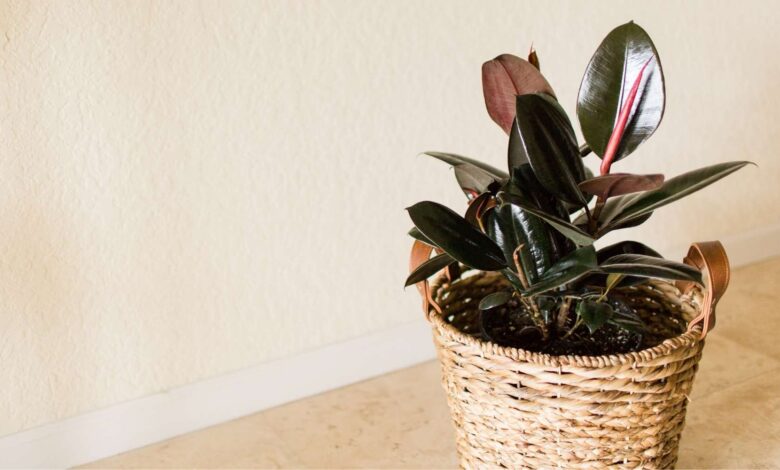
The rubber plant (Ficus elastica) has become one of the most popular indoor plants for modern homes, and for good reason. Native to Southeast Asia and India, this stunning houseplant offers far more than aesthetic appeal. With its large, glossy leaves and impressive air-purifying capabilities, the rubber plant provides numerous health and wellness benefits that make it an excellent choice for any indoor space.
Whether you’re a seasoned plant enthusiast or just starting your indoor gardening journey, understanding the rubber plant benefits will help you appreciate why this resilient species deserves a place in your home. From improving indoor air quality to reducing stress levels, let’s explore the seven remarkable advantages of growing a rubber plant indoors.
1. Superior Air Purification and Toxin Removal
One of the most significant benefits of rubber plant cultivation is its exceptional ability to purify indoor air. According to NASA’s Clean Air Study, Ficus elastica ranks among the top houseplants for removing harmful toxins from indoor environments.

The rubber plant effectively filters several dangerous pollutants including:
Formaldehyde: This common indoor pollutant is found in furniture, carpets, and cleaning products. The rubber plant absorbs formaldehyde through its large leaf surface area, breaking it down through natural metabolic processes.
Carbon monoxide: Through photosynthesis, rubber plants help reduce carbon monoxide levels, converting this harmful gas into oxygen that benefits your respiratory health.
Volatile organic compounds (VOCs): These chemicals evaporate from paints, varnishes, and household products. The rubber plant’s broad leaves trap and neutralize these compounds, improving overall indoor air quality.
The plant’s impressive leaf surface area allows it to process more air than smaller houseplants, making it particularly effective in living rooms, bedrooms, and home offices where you spend most of your time.
2. Enhanced Oxygen Production for Better Sleep
Rubber plants excel at oxygen production, making them ideal bedroom companions. Through photosynthesis, these plants convert carbon dioxide into fresh oxygen throughout the day, significantly improving the air you breathe.
While most plants release carbon dioxide at night, rubber plants continue to provide net positive oxygen levels due to their large biomass and efficient photosynthetic capacity. This makes them one of the few indoor plants recommended for bedroom placement.
Benefits for sleep quality include:
- Increased oxygen levels promote deeper, more restful sleep
- Better breathing conditions reduce nighttime congestion
- Improved air circulation supports respiratory function
- Enhanced room atmosphere creates a calming sleep environment
Position your rubber plant near your bed, but not directly beside it, to maximize oxygen exposure while maintaining proper air flow throughout your bedroom.
3. Natural Humidity Regulation
Indoor environments often suffer from dry air, especially during winter months or in air-conditioned spaces. The rubber plant acts as a natural humidifier through a process called transpiration, where moisture evaporates from the leaf surfaces into the surrounding air.
Humidity benefits include:
Respiratory health: Proper humidity levels (40-60%) prevent dry throat, nasal passages, and respiratory irritation. The moisture released by rubber plants helps maintain these optimal levels naturally.
Skin hydration: Dry indoor air can cause skin problems including flaking, itching, and premature aging. The humidity provided by rubber plants helps keep skin moisturized and healthy.
Reduced static electricity: Higher humidity levels minimize annoying static shocks common in dry environments.
Wood furniture preservation: Proper moisture levels prevent wood furniture and flooring from cracking or warping.
A single medium-sized rubber plant can increase room humidity by 3-5%, with larger specimens or multiple plants providing even greater effects. This natural humidity regulation eliminates the need for electric humidifiers in many cases.
4. Stress Reduction and Mental Well-being
Incorporating rubber plants into your living space provides significant psychological benefits. Research in environmental psychology and biophilic design demonstrates that indoor plants, particularly large-leaved species like Ficus elastica, reduce stress and improve mental health.
Psychological benefits include:
Stress hormone reduction: Studies show that interacting with indoor plants lowers cortisol levels, the primary stress hormone. Simply viewing or caring for your rubber plant can trigger relaxation responses.
Improved focus and productivity: The presence of plants in workspaces enhances concentration, memory retention, and cognitive performance by up to 15%.
Mood elevation: Green environments stimulate positive emotions and reduce symptoms of anxiety and depression. The vibrant foliage of rubber plants creates an uplifting atmosphere.
Connection to nature: Biophilic design principles emphasize our innate need to connect with nature. Growing rubber plants indoors satisfies this fundamental human requirement, promoting overall well-being.
The act of caring for your rubber plant also provides therapeutic benefits through routine, responsibility, and the satisfaction of nurturing living things.
5. Low Maintenance Indoor Plant Option
Unlike many finicky houseplants, rubber plants are remarkably forgiving and require minimal care, making them perfect for beginners or busy households.
Easy care characteristics:
Drought tolerance: Rubber plants store water in their thick leaves and stems, allowing them to survive 1-2 weeks between waterings. This resilience makes them ideal for people with unpredictable schedules.
Adaptable light requirements: While they prefer bright, indirect light, rubber plants tolerate lower light conditions better than most tropical species. They can thrive in various locations throughout your home.
Pest resistance: The thick, waxy coating on rubber plant leaves deters most common houseplant pests. This natural protection reduces the need for chemical treatments.
Minimal fertilization needs: These plants grow well with feeding just 2-3 times during the growing season, requiring far less attention than many other indoor plants.
Basic care routine:
- Water when the top 2-3 inches of soil feel dry
- Wipe leaves monthly to remove dust and maintain photosynthetic efficiency
- Provide bright, indirect sunlight for optimal growth
- Maintain room temperatures between 60-75°F (15-24°C)
- Fertilize monthly during spring and summer
This low-maintenance nature means you can enjoy all the rubber plant benefits without dedicating excessive time to plant care.
6. Aesthetic Appeal and Interior Design Value
Beyond health benefits, rubber plants serve as stunning focal points in interior design. Their architectural form and striking appearance enhance any decorating style from minimalist modern to bohemian eclectic.
Design advantages:
Variety of aesthetics: Rubber plants come in several cultivars including the classic dark green variety, the burgundy-leaved ‘Burgundy’, the variegated ‘Tineke’ with cream and green foliage, and the compact ‘Ruby’ with pink-tinted leaves. This diversity allows you to select the perfect plant for your color scheme.
Vertical interest: Rubber plants naturally grow tall and upright, creating vertical lines that draw the eye upward and make rooms feel more spacious. Mature plants can reach 6-10 feet indoors, commanding attention without overwhelming spaces.
Textural contrast: The glossy, smooth leaves provide beautiful contrast against textured fabrics, rough walls, or other plants with different foliage types.
Space definition: Large rubber plants can serve as natural room dividers, creating separate zones within open floor plans without the permanence of walls.
Feng shui benefits: In feng shui practice, rubber plants represent abundance and wealth. Their upward growth pattern symbolizes positive energy flow and prosperity.
Styling tips:
- Use decorative planters that complement your décor
- Group with smaller plants for layered displays
- Place in corners to soften architectural lines
- Position near windows to highlight leaf translucency
- Use plant stands to add height variation
The rubber plant’s timeless elegance ensures it never goes out of style, providing lasting decorative value.
7. Easy Propagation and Cost-Effective Expansion
One of the most rewarding benefits of rubber plant ownership is the ability to propagate new plants easily. This allows you to expand your collection, share with friends, or replace aging plants without additional expense.
Propagation methods:
Stem cutting: The most common method involves taking 4-6 inch cuttings from healthy stems. These cuttings root readily in water or soil, typically developing roots within 3-4 weeks.
Air layering: For larger plants, air layering creates new root systems while still attached to the parent plant. This technique ensures successful propagation of mature specimens.
Leaf cutting: While more challenging, single leaves with stem nodes can develop into new plants under proper conditions.
Benefits of propagation:
- Create multiple plants from one purchase
- Share plants with friends and family
- Replace leggy or overgrown plants with fresh specimens
- Experiment with different varieties
- Develop plant care skills and confidence
Propagation success tips:
- Take cuttings during active growth (spring/summer)
- Use clean, sharp tools to prevent disease
- Apply rooting hormone to increase success rates
- Maintain high humidity around cuttings
- Provide bright, indirect light
- Be patient—root development takes time
The ability to propagate rubber plants easily makes them an economical choice for filling your home with greenery while enjoying all the associated health benefits.
Choosing the Right Rubber Plant Variety
Understanding different rubber plant cultivars helps you select the best option for your specific needs and aesthetic preferences.
Popular varieties:
Ficus elastica ‘Robusta’: The classic variety features dark green, glossy leaves and vigorous growth. It’s the most tolerant of varying conditions and ideal for beginners.
Ficus elastica ‘Burgundy’: Distinguished by deep burgundy to nearly black foliage, this variety adds dramatic color to interiors while providing the same air-purifying benefits.
Ficus elastica ‘Tineke’: Features variegated leaves with green, cream, and pink tones. Requires slightly brighter light to maintain variegation but offers stunning visual interest.
Ficus elastica ‘Ruby’: Displays pink, cream, and green variegation with a more compact growth habit, perfect for smaller spaces.
Ficus elastica ‘Decora’: Similar to ‘Robusta’ but with broader leaves and potentially faster growth rates.
All varieties provide comparable air purification and health benefits, so selection primarily depends on aesthetic preferences and available light conditions.
Optimal Placement for Maximum Benefits
Strategic placement maximizes the benefits of rubber plant cultivation throughout your home.
Best locations:
Living rooms: Large rubber plants thrive in well-lit living areas where they can purify the air in frequently occupied spaces while serving as dramatic focal points.
Bedrooms: Smaller to medium specimens improve sleep quality through oxygen production and air purification. Place at least 3 feet from the bed for optimal air circulation.
Home offices: The stress-reducing properties and improved air quality enhance focus and productivity in work environments.
Entryways: Rubber plants create welcoming first impressions while filtering outdoor pollutants before they spread throughout your home.
Bathrooms: The naturally humid environment suits rubber plants well, though ensure adequate light through windows or skylights.
Placement considerations:
- Avoid direct sunlight which can scorch leaves
- Keep away from heating vents and cold drafts
- Ensure adequate space for growth
- Consider ceiling height for tall varieties
- Position where you’ll see and enjoy the plant daily
Common Problems and Solutions
Understanding potential issues ensures your rubber plant continues providing maximum benefits.
Leaf drop: Usually caused by overwatering, temperature fluctuations, or sudden changes in light. Adjust care routine and maintain consistent conditions.
Brown leaf edges: Indicates low humidity or underwatering. Increase watering frequency and mist leaves occasionally.
Leggy growth: Results from insufficient light. Move plant closer to windows or provide supplemental grow lights.
Yellowing leaves: Often signals overwatering or nutrient deficiency. Allow soil to dry between waterings and fertilize during growing season.
Pest infestation: While rare, spider mites or scale can occasionally affect rubber plants. Treat with insecticidal soap or neem oil at first signs.
Milky sap irritation: The white sap can irritate skin and is toxic to pets. Wear gloves when pruning and keep away from curious animals.
Regular monitoring and prompt attention to problems ensures your rubber plant remains healthy and continues delivering all its beneficial properties.
Maximizing Long-Term Benefits
To enjoy rubber plant benefits for years to come, implement these long-term care strategies:
Annual maintenance:
- Repot every 2-3 years in spring using well-draining potting mix
- Prune to maintain desired shape and encourage bushier growth
- Rotate plant quarterly for even growth on all sides
- Clean leaves monthly to optimize photosynthesis
Seasonal adjustments:
- Reduce watering frequency during winter dormancy
- Decrease fertilization in fall and winter
- Watch for drafts during heating season
- Increase humidity if heating systems dry indoor air
Growth management:
- Top pruning controls height and promotes lateral branching
- Remove damaged or diseased leaves promptly
- Stake tall specimens to prevent toppling
- Consider air layering to reduce excessive height
With proper care, rubber plants can live for decades indoors, providing continuous air purification, oxygen production, and aesthetic value throughout their lifespan.
Conclusion: Why Rubber Plants Deserve a Place in Your Home
The seven benefits of rubber plant cultivation make it one of the most valuable additions to any indoor environment. From superior air purification and oxygen production to stress reduction and aesthetic appeal, Ficus elastica offers comprehensive advantages that enhance both physical health and mental well-being.
The plant’s low maintenance requirements and easy propagation make it accessible to plant enthusiasts of all skill levels, while its impressive size and striking appearance ensure it makes a statement in any room. Whether you’re looking to improve indoor air quality, create a more calming environment, or simply add natural beauty to your space, the rubber plant delivers exceptional value.
Start with one rubber plant and experience these benefits firsthand. As you witness the positive changes in your indoor environment and well-being, you’ll likely find yourself wanting to propagate and share this remarkable plant with others, spreading both greenery and health throughout your community.
The investment in a rubber plant is truly an investment in a healthier, more beautiful, and more harmonious home environment.