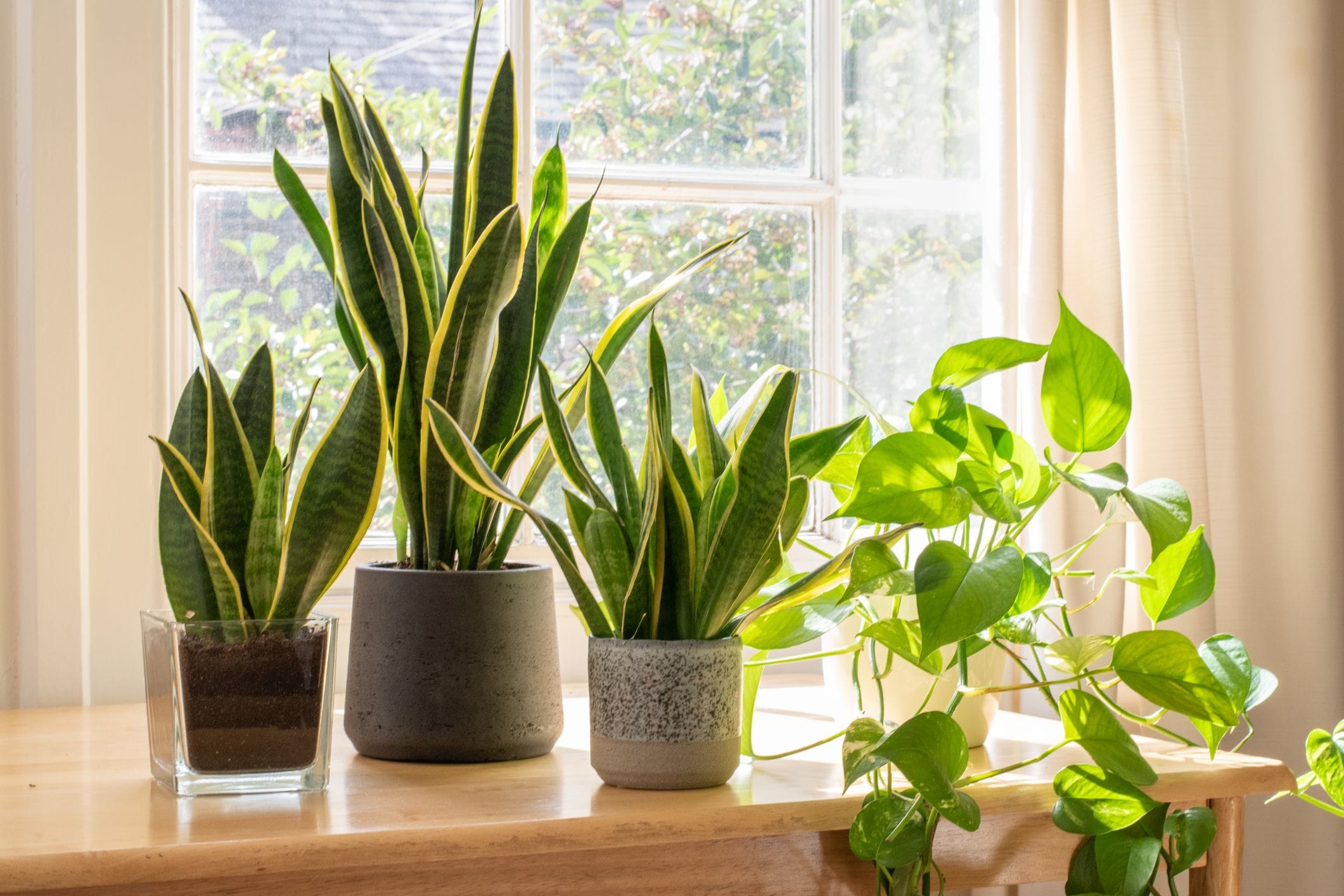
My snake plant survived my college dorm room for three years. It lived through forgotten waterings. It tolerated that dark corner next to my desk. It even survived a two-week winter break with no water at all.
When I came back, those thick leaves stood tall and proud. Like nothing happened.
That’s when I realized something. Snake plants aren’t just “hard to kill.” They’re genuinely thriving on neglect. What I thought was bad plant parenting was actually perfect care.

Years later, I’ve learned the secret. Snake plants don’t want your constant attention. They want you to leave them alone. Water sparingly. Provide some light. Then forget about them for weeks.
The snake plant (Sansevieria, now Dracaena trifasciata) has earned its reputation. It’s the ultimate low-maintenance houseplant. Perfect for beginners. Ideal for busy people. And surprisingly resilient.
This guide covers everything you need. You’ll learn proper watering schedules. Light requirements. Propagation methods. And how to solve common problems.
Understanding Your Snake Plant
Let’s start with what makes snake plants unique. Understanding their nature helps you care for them better.
Many Names, One Plant
Snake plants go by several names:
- Sansevieria (former botanical name)
- Mother-in-law’s tongue
- Viper’s bowstring hemp
- Saint George’s sword
They’re native to West Africa. They grow in rocky, dry conditions. This explains their drought tolerance.
Built for Survival
Snake plants evolved to survive harsh conditions. They store water in their thick, upright leaves. These leaves are incredibly efficient.
During the day, they keep their pores closed. This prevents water loss. At night, they open to absorb carbon dioxide. This is called CAM photosynthesis.
This adaptation means snake plants need very little water. Much less than most houseplants.
Growth Pattern
Snake plants grow slowly. Very slowly. They produce new leaves from underground rhizomes. These grow from the base.
Don’t expect rapid growth. One new leaf every 1-2 months is normal. During winter, growth stops almost completely.
This slow growth is actually a benefit. You won’t need to repot often. The plant stays manageable.
Air Purifying Benefits
NASA’s Clean Air Study found something interesting. Snake plants remove toxins from indoor air. They filter formaldehyde, benzene, and trichloroethylene.
They’re one of few plants that release oxygen at night. This makes them ideal for bedrooms.
Light Requirements: More Flexible Than You Think
Snake plants tolerate a wide range of light conditions. This is one reason they’re so popular.
What They Actually Need
Snake plants adapt to almost any light level. From low light to bright indirect light. They’re incredibly flexible.
But “tolerate” doesn’t mean “prefer.” Let me explain.
Low light: They survive but won’t grow much. Color may fade slightly. New growth will be minimal.
Medium indirect light: This is ideal. Steady growth. Strong coloration. Healthy new leaves.
Bright indirect light: Excellent for variegated varieties. Faster growth. Vibrant patterns.
Direct sun: Avoid this. Can scorch leaves. Causes brown, dried patches.
Ideal Placement
Good spots for snake plants:
- 3-10 feet from a window
- Rooms with ambient light
- North-facing windows
- Shaded areas with some natural light
- Office spaces with fluorescent lighting
Variegated Varieties Need More Light
If your snake plant has yellow edges or white stripes, it needs more light. These variegated varieties need brighter conditions. Low light causes them to lose their patterns.
The plant will revert to all-green leaves. This is called reverting. It happens when the plant needs more energy for survival.
Signs of Light Problems
Too little light causes:
- Very slow or no growth
- Fading color
- Leaning toward light source
- Thin, weak new leaves
Too much direct light causes:
- Brown, scorched patches
- Pale, washed-out color
- Leaves turning yellow
The Fix
Snake plants adapt slowly to light changes. If moving to a brighter spot, do it gradually. Over 1-2 weeks.
Sudden moves can shock the plant. Leaves may yellow or brown.
Watering: Less is More
This is the most important section. Overwatering kills more snake plants than anything else.
The Golden Rule
Water your snake plant rarely. Very rarely. When in doubt, wait longer.
These plants prefer drought stress over wet soil. They evolved for it.
How to Know When to Water
Check the soil before watering. Every single time. Insert your finger 2-3 inches deep.
If it feels even slightly damp, wait. Only water when soil is completely dry. All the way to the bottom.
For most homes, this means:
- Spring/Summer: Every 2-3 weeks
- Fall/Winter: Every 4-6 weeks
But don’t follow a schedule blindly. Always check the soil first.
Proper Watering Technique
When you do water, do it thoroughly:
- Water until liquid flows from drainage holes
- Let excess water drain completely (10-15 minutes)
- Empty saucer so plant never sits in water
- Use room-temperature water
This is called “soak and dry” method. It encourages deep root growth.
Water Quality
Snake plants tolerate tap water better than most plants. But fluoride can cause brown leaf tips in some varieties.
If you notice brown tips:
- Use filtered water
- Let tap water sit 24 hours before using
- Use rainwater when possible
The Biggest Mistake
Never, ever let snake plants sit in water. This is the number one killer.
Always ensure:
- Pot has drainage holes
- Saucer is emptied after watering
- Soil drains quickly
- Roots never sit in soggy soil
Signs of Watering Problems
Overwatering (more dangerous):
- Soft, mushy leaves
- Yellow, translucent leaves
- Foul soil odor
- Base of plant feels soft
- Leaves falling over
Underwatering (rare):
- Leaves wrinkled or folded
- Brown, crispy leaf tips
- Leaves curling inward
- Soil extremely dry and pulling from pot
Soil and Drainage: The Foundation
Soil quality determines watering success. Snake plants need fast-draining soil.
Ideal Soil Characteristics
Your soil should:
- Drain water quickly (within minutes)
- Not stay soggy
- Contain gritty material
- Be slightly acidic (pH 5.5-7.5)
Recommended Soil Mix
Option 1 – Simple:
- 50% cactus/succulent soil
- 50% perlite or coarse sand
Option 2 – DIY Mix:
- 40% potting soil
- 30% perlite
- 20% coarse sand
- 10% orchid bark
Option 3 – Store-bought:
- Pre-made cactus mix works perfectly
- Add extra perlite for better drainage
Why These Ingredients
Cactus soil: Drains fast. Contains sand and grit. Perfect base for succulents.
Perlite: Creates air pockets. Prevents compaction. Improves drainage.
Coarse sand: Adds weight. Improves drainage. Prevents water retention.
Orchid bark: Adds chunky texture. Creates air spaces. Prevents soil compaction.
Pot Selection
Choose pots carefully:
- Must have drainage holes (absolutely critical)
- Terracotta is best (porous, dries quickly)
- Plastic works (but water less frequently)
- Heavy pots prevent tipping (snake plants are top-heavy)
Don’t use pots that are too large. Snake plants like being slightly root-bound. They grow better this way.
Fertilizing: Keep It Minimal
Snake plants are light feeders. They need very little fertilizer.
Feeding Schedule
Growing Season (Spring-Summer): Feed once every 6-8 weeks.
Dormant Season (Fall-Winter): Don’t fertilize at all. The plant isn’t growing.
Many snake plants thrive with no fertilizer. It’s optional, not required.
Fertilizer Type
Use a balanced, diluted fertilizer. NPK ratio like 10-10-10 or 20-20-20 works fine.
Dilute to half strength. Or even quarter strength. Snake plants need very little.
Cactus fertilizer also works well. It’s formulated for similar plants.
Application Method
- Water the plant first (prevents root burn)
- Apply diluted fertilizer to moist soil
- Water lightly again after application
Never fertilize dry soil. This can damage roots.
Signs of Fertilizer Problems
Over-fertilization (common mistake):
- Brown leaf tips
- White salt crust on soil
- Stunted growth
- Leaves turning brown
Under-fertilization (very rare):
- Pale, weak new leaves
- Extremely slow growth
- Loss of variegation
If you see salt buildup, flush the soil. Water thoroughly 2-3 times. Let water run clear through drainage holes.
Temperature and Humidity: Super Flexible
Snake plants adapt to typical home conditions easily.
Temperature Range
Ideal temperature: 60-85°F (15-29°C)
They tolerate a wide range. But avoid:
- Below 50°F (10°C) – can cause cold damage
- Above 90°F (32°C) – stress the plant
- Cold drafts from windows or AC
- Hot air from heating vents
Humidity
Snake plants don’t care about humidity. At all. They thrive in dry air.
Average home humidity (30-50%) is perfect. No humidifier needed. No misting required.
This makes them ideal for:
- Air-conditioned offices
- Heated homes in winter
- Dry climates
- Apartments with poor humidity control
Propagation: Creating New Plants
Snake plants are easy to propagate. Multiple methods work well.
Method 1: Division (Fastest)
This is the quickest way. You get full-sized plants immediately.
When to divide: During repotting. Spring is ideal.
Process:
- Remove plant from pot
- Brush away excess soil
- Identify natural divisions in rhizome
- Cut or pull sections apart
- Each division needs roots and 2-3 leaves
- Plant in fresh soil
- Water lightly
New divisions establish in 2-4 weeks. This method preserves variegation perfectly.
Method 2: Leaf Cuttings in Soil
This method is easy. But it’s slow. Very slow.
Process:
- Cut a healthy leaf at the base
- Let cutting dry for 1-2 days
- Plant bottom inch in soil
- Water sparingly
- Wait 6-8 weeks for roots
- Wait 2-4 months for new growth
Important: Variegated varieties lose their patterns with this method. They revert to solid green. If you want to keep variegation, use division instead.
Method 3: Leaf Cuttings in Water
You can root cuttings in water too.
Process:
- Cut leaf into 3-4 inch sections
- Remember which end was “down” on plant
- Place bottom end in water
- Change water weekly
- Wait 3-6 weeks for roots
- Plant in soil when roots are 1-2 inches
Mark the bottom with a small notch. Upside-down cuttings won’t root.
Propagation Tips
- Use clean, sharp scissors
- Sterilize tools with rubbing alcohol
- Spring and summer work best
- Be patient – snake plants root slowly
- Don’t overwater new cuttings
- Expect 50-70% success rate with leaf cuttings
Repotting: Only When Necessary
Snake plants like being root-bound. Don’t repot too often.
When to Repot
Look for these signs:
- Roots growing through drainage holes
- Pot cracking from root pressure
- Plant becoming extremely top-heavy
- Water draining through instantly
- 3-5 years since last repotting
Best Timing
Repot in spring. Early growing season is ideal. The plant recovers faster.
Avoid winter repotting. Growth is dormant. Recovery takes much longer.
Pot Size
Choose a pot only 1-2 inches larger. Not more. Snake plants grow better when slightly crowded.
Too-large pots hold excess moisture. This increases rot risk.
Repotting Process
Step 1: Prepare Materials
- New pot with drainage holes
- Fresh cactus/succulent soil
- Newspaper or drop cloth
Step 2: Remove Plant Tip pot sideways. Slide plant out gently. If stuck, run knife around edge.
Step 3: Inspect Roots Check for rot. Healthy roots are white or tan. Firm. Remove any brown, mushy, or smelly roots.
Step 4: Plant at Same Depth Place in new pot. Fill with soil. Don’t bury deeper than before. Leave 1 inch below rim.
Step 5: Wait to Water Don’t water immediately. Wait 3-5 days. This lets any damaged roots heal.
Step 6: Resume Normal Care After first watering, return to regular schedule. Expect slower growth for 1-2 months.
Common Problems and Solutions
Snake plants are resilient. But problems can occur. Here’s how to fix them.
Root Rot (Most Serious)
Symptoms:
- Mushy, soft leaves
- Yellow, translucent leaves
- Base feels soft and squishy
- Foul smell from soil
- Leaves falling over at base
Cause: Overwatering. Always overwatering.
Treatment:
- Remove plant from pot immediately
- Shake off all soil
- Inspect roots – healthy ones are white/tan and firm
- Cut away all brown, mushy roots with sterilized scissors
- Cut away any soft, rotted leaf bases
- Let plant dry completely for 2-3 days
- Repot in completely fresh, dry soil
- Wait 1 week before watering lightly
Prevention: Water less. Much less. Ensure drainage. Use fast-draining soil.
Yellow Leaves
Causes:
- Overwatering (most common)
- Root rot
- Natural aging (lower leaves only)
- Too much direct sunlight
Solution: If multiple leaves yellow, reduce watering immediately. Check for root rot. If only 1-2 lower leaves yellow slowly, this is natural. Remove them.
Brown Leaf Tips
Causes:
- Fluoride in tap water
- Over-fertilization
- Very low humidity (rare)
- Salt buildup
Solution: Switch to filtered water. Reduce fertilization frequency. Flush soil to remove salts.
You can trim brown tips with clean scissors. Follow the natural leaf shape.
Wrinkled Leaves
Cause: Severe underwatering (rare in snake plants).
Solution: Water thoroughly. Leaves should plump back up in 24-48 hours. Wrinkled leaves can also mean root rot – check roots to be sure.
Leaves Falling Over
Causes:
- Overwatering causing soft base
- Pot too small for top-heavy plant
- Root rot
- Physical damage
Solution: Check for rot first. If roots are healthy, plant may need support or repotting. Fallen leaves rarely recover fully.
Pests (Rare)
Snake plants rarely get pests. But occasionally:
Spider mites: Tiny pests causing stippled yellow spots.
- Treatment: Spray with water. Apply neem oil. Increase humidity.
Mealybugs: White cottony masses in leaf crevices.
- Treatment: Remove with cotton swab dipped in rubbing alcohol. Spray with insecticidal soap.
Scale: Brown bumps on leaves.
- Treatment: Scrape off manually. Treat with neem oil.
Slow or No Growth
This is actually normal. Snake plants grow very slowly. Especially in winter.
If concerned, check:
- Is it winter? (growth stops)
- Is light sufficient? (low light = no growth)
- Is plant root-bound? (may need repotting)
- Are you over-fertilizing? (can stunt growth)
Snake Plant Varieties
Many varieties exist. Each has unique characteristics.
Sansevieria trifasciata (Common Snake Plant)
The classic variety. Tall, upright leaves. Dark green with light horizontal bands. Grows 2-4 feet tall. Most tolerant variety.
Sansevieria trifasciata ‘Laurentii’
Similar to common type. But has bright yellow edges. Needs more light to maintain color. Loses variegation if propagated by leaf cuttings.
Sansevieria trifasciata ‘Golden Hahnii’ (Bird’s Nest)
Compact rosette form. Only 6-8 inches tall. Thick leaves. Yellow edges. Perfect for small spaces.
Sansevieria cylindrica (Cylindrical Snake Plant)
Round, cylindrical leaves instead of flat. Grows upright like spears. Sometimes braided decoratively. Same care as other types.
Sansevieria moonshine
Pale, silvery-green leaves. Almost white appearance. Broader leaves than common type. Needs slightly more light.
Sansevieria ‘Black Gold’
Dark green leaves with bright yellow margins. Striking contrast. Needs good light for best coloration.
All varieties need essentially the same care. The biggest difference is light needs for variegated types.
Cleaning and Maintenance
Minimal maintenance keeps snake plants looking good.
Dust Removal
Dust blocks light absorption. Clean leaves every 1-2 months.
Method:
- Use soft, damp cloth
- Support leaf from underneath
- Wipe from base to tip
- Clean both sides
- Let air dry
Don’t use leaf shine products. They’re unnecessary. Plain water works best.
Pruning
Remove damaged or dying leaves at the base. Use clean, sharp scissors. Cut as close to soil as possible.
Healthy leaves don’t need pruning. Snake plants don’t require shaping.
Rotating
Rotate pot 90 degrees every few weeks. This ensures even growth. Prevents leaning toward light.
Not critical for snake plants. But it helps maintain symmetry.
Toxicity Warning
Important: Snake plants are toxic to cats and dogs. Also toxic to humans if ingested.
They contain saponins. These cause:
- Nausea
- Vomiting
- Diarrhea
- Drooling (in pets)
Safety Measures
- Keep away from curious pets
- Place out of reach of children
- Wash hands after handling
- Don’t let pets chew leaves
If ingestion occurs, contact:
- Pet: Call veterinarian immediately
- Human: Contact poison control
The plant isn’t severely toxic. But it causes unpleasant symptoms. Prevention is best.
Snake Plant Myths Debunked
Let’s clear up common misconceptions.
Myth 1: “Snake plants need no light”
Truth: They tolerate low light. But they need some light to survive. Complete darkness will kill them eventually.
Myth 2: “Never water snake plants”
Truth: They need water. Just infrequently. Extreme neglect eventually causes death.
Myth 3: “Snake plants clean air significantly”
Truth: They do filter some toxins. But you’d need many plants for noticeable effect. Don’t rely on them for air purification.
Myth 4: “They grow in water permanently”
Truth: Some people grow them hydroponically. But soil is better long-term. Water-grown plants are weaker.
Myth 5: “All snake plants are the same”
Truth: Many varieties exist. They have different appearances. Some need more light than others.
Seasonal Care Adjustments
Snake plant care changes with seasons.
Spring (March-May)
- Resume normal watering schedule
- Start fertilizing again
- Best time for repotting
- Growth begins increasing
- Check for pests
Summer (June-August)
- Water slightly more frequently
- Continue monthly fertilizing
- Peak growing season
- Monitor for overwatering in humidity
- Provide consistent care
Fall (September-November)
- Gradually reduce watering
- Stop fertilizing
- Growth slows noticeably
- Move away from cold windows
- Prepare for dormancy
Winter (December-February)
- Water very infrequently (every 4-6 weeks)
- No fertilization needed
- Growth stops almost completely
- Protect from cold drafts
- Don’t expect new growth
Conclusion: Embrace the Neglect
Snake plants taught me an important lesson. Sometimes the best care is minimal care.
These plants don’t want constant attention. They don’t need daily check-ins. They thrive on benign neglect.
The Keys to Success
- Water rarely – when in doubt, wait longer
- Provide some light – doesn’t need to be bright
- Use well-draining soil – prevents rot
- Fertilize minimally – once every 2 months or skip it
- Leave it alone – resist the urge to fuss
Snake plants are perfect for:
- Beginners learning plant care
- Busy people with limited time
- Forgetful waterers
- Low-light spaces
- Anyone wanting easy houseplants
My Snake Plant Today
That college dorm snake plant? It’s still alive. Fifteen years later. It’s survived seven moves. Multiple repottings. Countless periods of neglect.
It stands in my living room now. Tall. Strong. Unbothered. Still teaching me that sometimes less really is more.
Your snake plant will teach you the same lesson. Water it occasionally. Give it some light. Then step back and let it thrive.
The less you worry, the better it grows. That’s the beauty of snake plants.


