How to Keep Indoor Plants Alive During Winter: The Complete Guide to Winter Plant Care Success

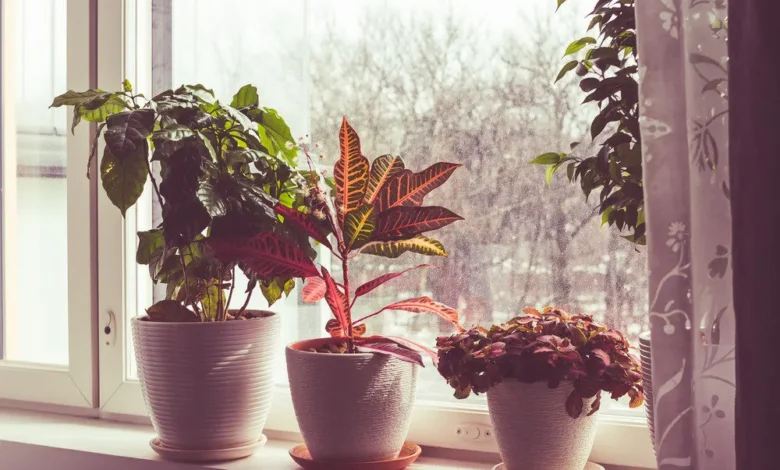
Last winter, I watched in horror as my beautiful fiddle leaf fig slowly dropped every single leaf, one by one, until I was left staring at a sad, bare stick in a pot. Sound familiar? If you’ve ever felt like winter is your houseplants’ worst enemy, you’re definitely not alone! The cold months can feel like a plant parent’s nightmare, with our green babies suddenly acting like dramatic teenagers who refuse to cooperate.
Here’s what I wish someone had told me before I lost half my plant collection to winter woes: learning how to keep indoor plants alive during winter isn’t about fighting against the season – it’s about understanding what changes during these darker months and adapting your care routine accordingly. Winter doesn’t have to be a time of plant casualties and brown, crispy leaves scattered across your floor.


The truth is, most houseplants don’t actually die from cold temperatures when they’re indoors. They struggle (and often die) from the dramatic environmental changes that happen inside our homes during winter – things like bone-dry air from heating systems, drastically reduced light levels, and our well-meaning but misguided attempts to “help” them through the season.
By the end of this guide, you’ll understand exactly why winter is so challenging for indoor plants, know the specific adjustments needed to keep your plant babies thriving through the cold months, and have a complete winter plant care routine that actually works. No more plant casualties, no more guessing games – just healthy, happy houseplants all winter long.
Understanding Why Winter Is So Hard on Indoor Plants
Before we dive into solutions, let’s talk about what’s actually happening to your plants during winter. Understanding the “why” behind winter plant struggles makes it so much easier to provide the right care and avoid the common mistakes that kill otherwise healthy houseplants.
The biggest shock to indoor plants during winter isn’t temperature – it’s the dramatic drop in humidity levels. When we turn on our heating systems, indoor humidity can plummet from comfortable 40-50% down to a desert-like 10-20%. Imagine trying to breathe comfortably in air that dry! Your plants are essentially living in conditions more arid than many actual deserts, which explains why they suddenly start looking crispy and stressed.
Light levels also change dramatically during winter months, even indoors. That bright south-facing window that bathed your plants in glorious sunshine during summer might only provide 20-30% of its peak intensity during December and January. Plants that were thriving in natural light suddenly find themselves in what feels like deep shade, struggling to photosynthesize efficiently.
Temperature fluctuations become much more extreme during winter, even though your thermostat might say otherwise. Cold drafts from windows, hot air blasts from heating vents, and the temperature swings between day and night can stress plants more than steady cold temperatures would. It’s like living in a house where someone keeps randomly adjusting the thermostat by 15-20 degrees!
Your plants’ metabolism also naturally slows down during winter months, even indoors. This is completely normal – most houseplants evolved in climates with distinct seasons, and their internal clocks still respond to shorter days and lower light levels by entering a period of reduced growth. Fighting against this natural dormancy period is one of the biggest mistakes plant parents make.
What really opened my eyes was realizing that winter plant care isn’t about providing summer conditions year-round. It’s about supporting your plants through their natural winter rhythm while protecting them from the harsh artificial conditions created by modern heating systems.
The Five Pillars of Winter Plant Survival
Pillar 1: Mastering Winter Humidity Management
Humidity management is absolutely crucial for keeping indoor plants alive during winter, and it’s probably the area where most plant parents struggle the most. When heating systems kick in, they don’t just warm the air – they essentially suck all the moisture out of it, creating conditions that most tropical houseplants simply can’t tolerate.
The golden rule for winter humidity is maintaining levels between 40-50% for most houseplants. Sounds simple, right? The challenge is that most homes drop to 15-25% humidity during peak winter months. You can actually feel this difference – if your skin feels dry and you’re getting static shocks from everything you touch, your plants are definitely suffering too.
Humidifiers are hands-down the most effective solution for winter humidity problems. I resisted buying one for years, thinking it was overkill, but it completely transformed my winter plant care game. A good humidifier can maintain consistent humidity levels throughout your plant areas without the constant maintenance that other methods require.
If a humidifier isn’t in the budget right now, grouping plants together creates localized humidity pockets that really help. When plants transpire (release water vapor through their leaves), they naturally increase humidity around themselves. Grouping 5-6 plants together can create a microclimate that’s significantly more humid than the surrounding air.
Pebble trays are another popular humidity solution, though they’re not as effective as many people think. The key to making pebble trays actually work is using wide, shallow trays with lots of surface area for evaporation. A small saucer under one plant isn’t going to make much difference, but several large trays throughout a plant area can help boost local humidity levels.
Here’s a pro tip I learned the hard way: avoid misting as your primary humidity strategy during winter. While misting can provide temporary humidity relief, water sitting on leaves in low-light, low-airflow winter conditions often leads to fungal problems. If you do mist, do it early in the day so leaves have time to dry completely before evening.
Pillar 2: Adjusting Your Watering Routine for Winter Success
Winter watering is where I see the most plant casualties, and it usually comes from one of two extremes: plant parents who keep watering like it’s summer, or those who become so afraid of overwatering that they let their plants get bone dry. The truth is somewhere in between, and it requires understanding how your plants’ water needs change during the dormant season.
Most houseplants need significantly less water during winter months – typically 25-50% less than their summer requirements. This happens because lower light levels slow down photosynthesis, cooler temperatures reduce metabolic activity, and lower humidity means water evaporates more slowly from the soil surface.
The “finger test” becomes even more important during winter months. Stick your finger 1-2 inches into the soil before watering – if it feels moist at that depth, wait a few more days. During winter, I often wait until the soil feels dry at the 2-inch depth rather than just 1 inch, especially for plants that prefer to dry out between waterings.
Water temperature matters more during winter than many people realize. Cold water can shock plant roots and slow nutrient uptake, while room-temperature water is absorbed more readily. I keep a watering can filled and sitting out so the water naturally reaches room temperature before I use it.
Drainage becomes absolutely critical during winter months when plants are processing water more slowly. If your pots don’t have drainage holes, winter is the time to address this issue. Sitting water in saucers should be emptied within an hour of watering – plants that could tolerate occasional wet feet during active growing season often develop root rot from the same conditions during winter dormancy.
One game-changing technique I’ve started using is the “lift test” for determining watering needs. Get familiar with how heavy your pots feel when the soil is properly moist versus when it’s getting dry. This method works especially well for plants in decorative pots where you can’t easily check soil moisture with your finger.
Pillar 3: Light Management for Dark Winter Days
Light management during winter requires a complete mindset shift from summer plant care. Even your brightest windows provide dramatically less light during winter months, and understanding how to work with (or supplement) available light can make the difference between plants that survive winter and those that thrive.
The most effective approach for most plant parents is strategically moving plants to your brightest available locations during winter months. That means south-facing windows get priority, and plants that were perfectly happy in east or west windows during summer might need to be relocated to get adequate light during the darker months.
For plants that absolutely can’t be moved to brighter locations, supplemental lighting becomes essential. LED grow lights have become incredibly affordable and effective for winter plant support. You don’t need expensive, complicated systems – even a simple LED panel positioned 12-18 inches above your plants for 6-8 hours daily can make a huge difference in winter plant health.
The key with supplemental lighting is consistency rather than intensity. It’s better to provide moderate supplemental light every day than bright light sporadically. Plants respond much better to steady, predictable light patterns, especially during their winter dormancy period when they’re already dealing with environmental stress.
One mistake I made for years was trying to provide “summer” light conditions during winter with artificial lighting. What I learned is that plants actually prefer slightly reduced light during their natural dormancy period – you’re just trying to prevent the dramatic light reduction that causes stress and declining health.
Window cleaning becomes surprisingly important during winter months when every bit of available light matters. Dirty windows can reduce light transmission by 20-30%, which is significant when light levels are already compromised. A good window cleaning in late fall and mid-winter can noticeably improve conditions for your window plants.
Reflective surfaces can help maximize available natural light during winter. A mirror or even white poster board positioned opposite your brightest windows can nearly double the light reaching plants in those areas. It sounds simple, but this technique has helped several of my plants maintain better health during the darkest winter months.
Pillar 4: Temperature Stability and Draft Protection
Temperature management during winter is less about maintaining perfect temperatures and more about avoiding the dramatic fluctuations and drafts that stress plants. Consistent temperatures in the 65-75°F range work well for most houseplants, but sudden changes of 10+ degrees can cause leaf drop, growth stunting, and increased susceptibility to pests and diseases.
Cold drafts are one of the sneakiest winter plant killers. Plants sitting near windows, exterior doors, or heating vents might experience temperature swings of 20-30 degrees without you even realizing it. I learned this when I noticed my plants near the front door were consistently struggling while similar plants elsewhere were fine.
A simple draft test can identify problem areas: hold a lit candle or incense stick near your plant locations and watch for flickering that indicates air movement. Areas with significant air movement need either plant relocation or draft protection during winter months.
Heating vents create their own set of challenges beyond just hot air blasts. The forced air circulation can rapidly dry out plant foliage and soil, while the temperature fluctuations as heating cycles on and off create constant stress. If you can’t move plants away from heating vents, consider redirecting airflow with vent deflectors.
Hot and cold spots in your home become more pronounced during winter, and understanding these microclimates helps with plant placement decisions. Areas near exterior walls tend to be cooler, while spots near heat sources can be surprisingly warm even when the room temperature feels moderate.
One technique that’s helped protect my more sensitive plants is creating “buffer zones” using less sensitive plants or furniture to block drafts and temperature extremes. Hardy plants like snake plants or ZZ plants can actually help protect more delicate specimens from harsh winter conditions.
Pillar 5: Adjusting Fertilization for Winter Dormancy
Understanding when and how to adjust fertilization during winter is crucial for plant health, and it’s an area where many well-meaning plant parents actually harm their plants by trying to “help” too much. Most houseplants enter a period of slower growth during winter months, and their nutritional needs change accordingly.
The general rule for winter fertilization is to reduce feeding by 50-75% compared to active growing season, or stop entirely for plants that show clear signs of dormancy. Plants that aren’t actively growing can’t process nutrients efficiently, and excess fertilizer in the soil can actually damage roots and attract pests.
Signs that your plants have entered winter dormancy include: no new growth for several weeks, existing leaves that aren’t getting larger, and overall reduced water uptake. These are normal responses to shorter days and lower light levels, not signs that your plants need more fertilizer to “perk up.”
For plants that continue showing signs of active growth during winter (many tropical houseplants do this under good indoor conditions), very diluted monthly feeding can be appropriate. I use about 1/4 strength fertilizer once monthly for plants that are still producing new leaves or showing other growth signs.
Slow-release fertilizers need special attention during winter months. These products continue releasing nutrients regardless of plant activity, which can lead to nutrient buildup in dormant plants. If you used slow-release fertilizers during the growing season, avoid additional feeding during winter months.
The type of fertilizer also matters during winter months. Nitrogen-heavy fertilizers that promote lush green growth are particularly problematic during dormancy, when plants can’t support rapid new growth with limited light and slower metabolism. If you do fertilize dormant plants, choose balanced, dilute formulations.
Plant-Specific Winter Care Strategies
Tropical Plants: Surviving the Indoor “Winter”
Tropical plants are often the biggest casualties of winter indoor conditions because they’re adapted to consistent warmth and humidity year-round. However, with proper adjustments, most tropical houseplants can not only survive winter but continue looking beautiful throughout the cold months.
Fiddle leaf figs are notorious winter drama queens, but they’re actually quite manageable once you understand their needs. The key is maintaining consistent conditions rather than trying to replicate perfect summer environments. Keep them away from heating vents and drafts, maintain humidity above 40%, and reduce watering frequency by about 30-40% compared to summer needs.
Monstera plants handle winter quite well if you respect their natural tendency toward slower growth. They often stop producing new leaves during the darkest months, and that’s completely normal. Reduce watering, maintain good humidity, and avoid fertilizing unless you see active new growth. The fenestrations (holes) in existing leaves might be less pronounced in winter-grown leaves due to lower light levels.
Peace lilies are excellent indicators of winter humidity problems – if the leaf tips start browning or leaves begin drooping despite adequate soil moisture, humidity is almost certainly too low. These plants are also sensitive to cold drafts, so positioning them in stable temperature locations is crucial for winter success.
Rubber plants (Ficus elastica) are generally quite tolerant of winter conditions, but they’re sensitive to overwatering during dormancy. Allow the soil to dry more thoroughly between waterings than you would during summer, and don’t be alarmed if they drop a few lower leaves – this is normal winter behavior.
Succulents and Cacti: Winter Dormancy Champions
Succulents and cacti are actually some of the easiest plants to keep alive during winter, but only if you adjust your care to support their natural dormancy period. Many succulent casualties happen because plant parents continue summer care routines during winter months.
Most succulents enter a pronounced dormancy period during winter and should be watered very sparingly – often only once every 3-4 weeks, and sometimes less. The soil should be allowed to dry completely between waterings, and you should reduce the amount of water given each time compared to summer watering.
Desert cacti actually prefer cooler temperatures (50-65°F) during winter months to trigger proper dormancy and spring flowering. If possible, moving them to cooler locations like unheated sunrooms or near north-facing windows can improve their long-term health and flowering potential.
Christmas cacti and other holiday cacti have different needs than desert species. These jungle cacti prefer slightly more consistent moisture and temperature during winter, though still less than summer requirements. They also benefit from the cooler temperatures and longer dark periods that help trigger their spectacular winter blooming.
Echeveria, jade plants, and other rosette succulents often show their best coloration during winter months when stressed by cooler temperatures and bright light. This is normal and desirable – the reds, purples, and other stress colors that develop during winter are actually signs of healthy adaptation to seasonal conditions.
Foliage Plants: Maintaining Green Beauty
Foliage plants – those grown primarily for their leaves rather than flowers – are generally the most forgiving houseplants during winter months. However, they still benefit from specific adjustments to maintain their attractive appearance through the darker season.
Pothos plants are incredibly adaptable to winter conditions, but they do best when you reduce watering frequency and ensure they’re not sitting in cold drafts. The trailing vines might grow more slowly during winter, and new leaves might be slightly smaller than summer growth – both normal responses to seasonal changes.
Snake plants (Sansevieria) are nearly bulletproof during winter, requiring minimal adjustments to their care routine. Water very sparingly (every 6-8 weeks is often sufficient), and avoid fertilizing entirely during dormancy. These plants actually prefer the lower humidity that comes with winter heating systems.
Spider plants often struggle with low winter humidity, showing brown leaf tips and reduced vigor. Increasing humidity around these plants, either with humidifiers or grouping techniques, usually resolves winter health issues. They also appreciate being moved to your brightest available windows during the darkest months.
ZZ plants (Zamioculcas zamiifolia) are excellent winter survivors, but they’re very sensitive to overwatering during dormancy. Water only when the soil is completely dry throughout the pot, which might be every 4-6 weeks during winter months. These plants can actually go surprisingly long periods without water when dormant.
Common Winter Plant Care Mistakes and How to Avoid Them
The Overwatering Trap
Overwatering during winter months is probably the single biggest killer of indoor plants, and it happens because plant parents don’t adjust their watering routines for plants’ reduced winter water needs. When metabolism slows down and growth stops, plants simply can’t process water at their normal rate.
The classic signs of winter overwatering include: yellowing leaves that feel soft or mushy, a musty or sour smell from the soil, fungus gnats hovering around plants, and black or brown spots on stems near the soil line. If you notice these symptoms, immediate action is needed to prevent root rot from killing your plants.
What makes winter overwatering so insidious is that the symptoms often develop slowly over several weeks or months. By the time you notice obvious problems, significant root damage may have already occurred. This is why adjusting watering schedules proactively, rather than waiting for problems to develop, is so important.
The solution isn’t just watering less frequently – it’s also about watering differently. During winter, water thoroughly but less often, allowing excess water to drain completely, and ensuring plants aren’t sitting in standing water. The goal is deep but infrequent watering that matches plants’ slower winter metabolism.
Soil type becomes especially important during winter months when drainage issues are magnified. Heavy, moisture-retentive soils that work fine during active growing seasons can become waterlogged death traps during winter dormancy. Consider repotting problem plants into better-draining soil mixes before winter arrives.
The “Helping Too Much” Syndrome
Many plant parents struggle with what I call the “helping too much” syndrome during winter – the urge to compensate for harsh winter conditions by providing extra care that actually stresses plants more than helping them. This often includes overwatering, over-fertilizing, or constantly moving plants around trying to find “better” conditions.
Fertilizing dormant plants is a classic example of helping too much. When plants aren’t actively growing, they can’t use additional nutrients, and fertilizer buildup in the soil can actually damage roots and attract pests. The kindest thing you can do for most winter plants is simply leave them alone to rest.
Constantly repotting or moving plants during winter is another form of over-helping. Winter is actually the worst time to repot most houseplants because they’re not actively growing and can’t recover quickly from root disturbance. Unless there’s an emergency (like severe root rot), repotting should wait until spring growth resumes.
Misting excessively is another well-intentioned mistake that often backfires during winter. While humidity is important, water sitting on leaves in low-light, low-airflow winter conditions creates perfect conditions for fungal problems. It’s much better to address humidity through environmental changes rather than frequent misting.
The best approach for winter plant care is often the minimalist approach: provide basic needs (appropriate water, adequate light, protection from extremes) and then let your plants rest. Fighting against their natural dormancy rhythm usually causes more problems than it solves.
Ignoring Pest Prevention
Winter conditions that stress plants also create perfect breeding grounds for common houseplant pests like spider mites, scale, and mealybugs. Stressed plants have weakened defenses, while warm, dry indoor air provides ideal conditions for many pest species to thrive.
Spider mites are particularly problematic during winter because they love the hot, dry conditions created by heating systems. These tiny pests can quickly infest stressed plants, causing stippled, yellowing leaves and fine webbing on plant surfaces. Regular humidity maintenance and periodic plant inspection are the best preventive measures.
Scale insects and mealybugs often go unnoticed until infestations become severe because they move slowly and can hide in leaf joints and stem crevices. Winter’s slower plant growth means pest damage accumulates faster than plants can recover, making early detection and treatment crucial.
The dry indoor air that stresses plants also reduces the effectiveness of beneficial insects and natural pest predators that help control pest populations during outdoor growing seasons. This means indoor plants during winter are essentially on their own against pest pressure.
Preventive pest management during winter includes: regular plant inspection (at least weekly), maintaining adequate humidity to discourage spider mites, quarantining new plants before introducing them to your collection, and addressing pest issues immediately rather than waiting to see if they resolve themselves.
Creating Your Winter Plant Care Routine
Weekly Maintenance Tasks
Establishing a consistent weekly routine for winter plant care helps ensure nothing gets overlooked during the busy holiday season when it’s easy to neglect plant needs. A structured approach also helps you catch problems early when they’re easier to address.
Monday plant check-ins work well for many people – start your week by doing a quick visual inspection of all your plants. Look for signs of stress, pest activity, or changing conditions. This doesn’t need to be a detailed examination, just a general health check to catch obvious problems.
Watering assessments should happen twice weekly during winter rather than on a fixed schedule. Check soil moisture levels, but don’t water unless plants actually need it. Many plants can go 1-2 weeks between waterings during winter, so resist the urge to water on a calendar schedule.
Humidity monitoring becomes especially important during winter months when heating systems can cause rapid changes in moisture levels. If you have a hygrometer, check humidity levels weekly and adjust humidifiers or other humidity sources as needed.
Dust accumulation on plant leaves reduces their ability to photosynthesize effectively, which is especially problematic during low-light winter months. Weekly dust removal with a soft, damp cloth keeps leaves functioning efficiently and improves plant appearance.
Window and grow light maintenance should be part of weekly routines during winter when every bit of available light matters. Clean windows and light fixtures regularly to maximize light transmission to your plants.
Monthly Deep Care Sessions
Monthly deep care sessions during winter allow you to address issues that don’t need weekly attention but are important for long-term plant health. These sessions also provide opportunities to make seasonal adjustments as winter progresses.
Soil condition assessment should happen monthly during winter. Check for signs of soil compaction, salt buildup from fertilizers, or drainage problems that might have developed. Winter is also a good time to top-dress plants with fresh potting mix if the soil level has settled significantly.
Root health checks are important during winter months when root problems can develop slowly due to reduced plant activity. For plants in clear pots, look for healthy white or light-colored roots. For plants in opaque pots, gently tip them out occasionally to check root condition, especially if you suspect watering issues.
Pest inspection should be more thorough during monthly sessions than weekly checks. Use a magnifying glass to check leaf undersides, stem joints, and soil surfaces for early signs of pest activity. Winter pest problems are much easier to control when caught early.
Equipment maintenance includes cleaning and checking humidifiers, testing grow light timers, and ensuring heating/cooling systems aren’t creating unwanted drafts or temperature fluctuations around your plants.
Seasonal adjustments might be needed as winter progresses. December light levels are different from February levels, and your plant care routine should evolve accordingly. Monthly assessment allows you to make gradual adjustments rather than dramatic changes.
Preparing for Spring Transition
Planning for spring transition should begin in late winter, well before you see obvious signs of new growth. Plants often begin preparing for spring growth weeks before it becomes visible, and your care routine should anticipate these changes.
Late winter light levels begin improving significantly by mid-February in most locations, even though temperatures remain cold. This is often when dormant plants begin showing subtle signs of renewed activity, such as slight color changes in new growth areas or increased water uptake.
Gradual care adjustments work much better than sudden changes when transitioning from winter to spring care. Begin slowly increasing watering frequency in late February or early March, but wait for clear signs of new growth before resuming regular fertilization schedules.
Soil preparation for spring growth can begin in late winter. Plants that will need repotting can be assessed and appropriate soil mixes prepared in advance. However, actual repotting should usually wait until you see active new growth beginning.
Equipment transitions might be needed as natural light levels improve. Grow lights can be gradually reduced as window light becomes more adequate, and humidifiers might need adjustment as heating systems run less frequently.
The key to successful spring transition is patience and observation rather than calendar-based changes. Let your plants tell you when they’re ready for increased care rather than imposing spring care schedules on plants that aren’t quite ready.
Advanced Winter Plant Care Techniques
Creating Microclimates for Different Plant Types
Advanced winter plant care involves creating specialized microclimates within your home to meet the specific needs of different plant families. Rather than trying to maintain one-size-fits-all conditions, you can optimize environments for plants with similar requirements.
Tropical plant zones can be created in bathrooms or near humidifiers where consistent warmth and humidity levels support plants that struggle with typical winter home conditions. Grouping heat-loving plants together allows you to provide supplemental warmth and humidity without affecting plants that prefer cooler, drier conditions.
Desert plant areas work well in cooler, brighter locations where cacti and succulents can experience the temperature drop and bright light that support healthy dormancy. These plants actually benefit from the cooler temperatures and lower humidity that stress tropical species.
Temperate plant zones can accommodate plants that prefer moderate conditions and don’t mind some seasonal variation in temperature and humidity. These areas work well for many common houseplants that adapt readily to typical home conditions with minor adjustments.
The key to successful microclimate management is understanding that you don’t need to modify your entire home – just create optimized spaces for groups of plants with similar needs. This approach is much more efficient than trying to meet diverse plant needs in a single environment.
Using Technology for Winter Plant Monitoring
Modern technology offers excellent tools for monitoring and maintaining optimal winter plant conditions, taking much of the guesswork out of seasonal plant care. These tools are especially valuable during winter when small environmental changes can have big impacts on plant health.
Digital hygrometers with remote sensors allow you to monitor humidity levels in different areas of your home without constantly checking manually. Many models can track maximum and minimum humidity levels, helping you understand daily and weekly patterns that affect your plants.
Smart timers for grow lights ensure consistent photoperiods even when your schedule gets chaotic during the holiday season. Some models can be programmed to gradually adjust light duration as natural daylight hours change, mimicking natural seasonal transitions.
Soil moisture meters take the guesswork out of winter watering decisions, especially for plants in large pots where surface conditions might not reflect deeper soil moisture. Digital models provide consistent readings that help you develop better watering judgment over time.
Temperature monitoring systems can identify cold spots, drafts, and temperature fluctuations that stress plants during winter months. Simple digital thermometers with memory functions can track temperature ranges over time, helping you optimize plant placement.
Automated watering systems aren’t necessary for most home plant collections, but they can be helpful for plant parents who travel frequently during winter months or have large collections that make manual watering time-intensive.
Troubleshooting Complex Winter Problems
Some winter plant problems require advanced troubleshooting techniques that go beyond basic seasonal care adjustments. Understanding how to diagnose and address complex issues can save plants that might otherwise be lost during challenging winter conditions.
Root rot diagnosis and treatment become especially important during winter when overwatering problems develop slowly and aren’t always obvious until significant damage has occurred. Learning to identify early root rot symptoms and take corrective action can save plants that might otherwise be lost.
Light deficiency problems often develop gradually during winter and can be confused with other issues. Understanding how to distinguish between light-related stress and problems like pests, diseases, or nutrient issues helps you provide appropriate treatment rather than ineffective solutions.
Fungal problems are more common during winter months when low light, high humidity, and poor air circulation create ideal conditions for plant diseases. Recognizing early symptoms and understanding appropriate treatment options prevents minor fungal issues from becoming major problems.
Multiple stress factors often combine during winter to create complex problems that don’t respond to single solutions. Learning to identify and address multiple contributing factors simultaneously is often necessary for resolving persistent winter plant health issues.
Advanced diagnostic techniques might include soil testing for pH and nutrient levels, using magnification to identify small pests or disease symptoms, or temporarily relocating plants to different environments to isolate contributing factors.
Your Winter Plant Success Story Starts Now
Remember, keeping your indoor plants alive during winter isn’t about being perfect – it’s about understanding what changes during the cold months and adapting your care to support your plants through their natural dormancy period. Every experienced plant parent has lost plants to winter challenges, and those experiences teach us what really matters for long-term success.
Your plants want to survive winter just as much as you want to help them! Most houseplants are remarkably resilient when their basic needs are met consistently. The key is working with their natural seasonal rhythms rather than fighting against them, providing steady, appropriate care rather than dramatic interventions.
Don’t get discouraged if you don’t see immediate results from care adjustments. Plants often take several weeks to respond to environmental changes, especially during winter when their metabolism is naturally slower. Consistency and patience are your best tools for winter plant success.
The most rewarding part of mastering winter plant care is watching your green friends not just survive but thrive during the challenging season. When you see healthy growth resuming in spring, knowing that you supported your plants through their dormancy period successfully – there’s nothing quite like that satisfaction!
Start by implementing one or two major changes (like humidity management or watering adjustments) rather than trying to overhaul your entire plant care routine at once. Success builds on success, and you’ll develop the skills and intuition needed for more advanced techniques as you gain experience with winter plant care.
Your plants are counting on you to help them through winter, and now you have all the tools and knowledge needed to keep them healthy and beautiful through the cold months. Try these winter care strategies with your current collection and let me know how your plant babies respond to their improved winter conditions!
Happy Planting, Jasmine


