Top 10 Plants That Clean Indoor Air Effectively

I’ll never forget the day I learned that the air inside my home was potentially 2-5 times more polluted than the air outside. I’d just bought a new sofa, painted my bedroom, and felt so proud of my “fresh” space – until I realized I was essentially breathing in a chemical cocktail every single day. That reality check sent me down a research rabbit hole that completely changed how I think about indoor air quality.
If you’ve ever wondered whether those gorgeous houseplants sitting on your windowsill are doing more than just looking pretty, I have excellent news for you. The right plants that clean indoor air can dramatically reduce toxic compounds in your home, and this isn’t just wishful thinking – it’s backed by solid NASA research and decades of scientific study.
Indoor air pollution is a serious health concern that most people completely underestimate. We spend approximately 90% of our time indoors, breathing air that contains volatile organic compounds (VOCs) from furniture, cleaning products, building materials, and everyday items. These invisible pollutants contribute to headaches, respiratory issues, allergies, and long-term health problems that many people never connect to their indoor environment.
The amazing thing about plants that clean indoor air is that they work 24/7, naturally filtering toxins through their leaves, roots, and soil microorganisms. In this comprehensive guide, I’m sharing the top 10 most effective air-purifying plants based on NASA’s groundbreaking research, along with everything you need to know about using them to create genuinely healthier indoor spaces.
Understanding Indoor Air Pollution and How Plants Help
Before we dive into specific plants, let’s talk about what you’re actually fighting against and how these green warriors tackle indoor air pollution. Understanding the science makes you a much more effective plant parent and helps you make smarter choices about which plants to prioritize in your space.
The Hidden Toxins in Your Home
The average home contains dozens of common pollutants that accumulate in indoor air, creating a toxic soup that we breathe constantly without realizing it. Formaldehyde is probably the most prevalent indoor air pollutant, found in pressed wood furniture, permanent-press fabrics, paper products, and certain insulation materials. This colorless gas can cause eye, nose, and throat irritation, and long-term exposure is linked to more serious health issues.
Benzene is another common indoor toxin that comes from tobacco smoke, stored fuels, synthetic fibers, plastics, and detergents. Even at low levels, benzene exposure can cause drowsiness, dizziness, headaches, and increased heart rate. Chronic exposure is associated with more severe health problems, making reduction of indoor benzene levels particularly important.
Trichloroethylene (TCE) shows up in printing inks, paints, varnishes, adhesives, and spot removers. Xylene comes from vehicle exhaust, tobacco smoke, and manufacturing processes that somehow end up affecting our indoor air. Ammonia lurks in cleaning products, floor waxes, and fertilizers. The list goes on – carbon monoxide, toluene, and dozens of other compounds create a chemical burden that stresses our bodies daily.
What makes indoor air pollution so insidious is that these toxins accumulate in enclosed spaces where ventilation is limited. Modern homes are built to be energy-efficient, which means they’re also sealed tight, trapping pollutants inside. Without adequate air exchange with the outdoors, these chemical concentrations build up to levels that far exceed outdoor air pollution in many cases.
The Science Behind Plant Air Purification
Plants don’t just freshen the aesthetic of your space – they actively remove toxins through a fascinating process called phytoremediation. This isn’t some mystical plant magic; it’s well-documented science that shows how plants absorb airborne chemicals through tiny pores in their leaves called stomata, then transport these compounds to their roots where soil microorganisms break them down into harmless byproducts.
The leaf surface area of plants that clean indoor air is crucial for their effectiveness. Larger leaves and plants with more foliage provide more surface area for absorbing airborne pollutants. This is why plants like peace lilies, rubber plants, and Boston ferns often rank higher in air purification studies – they simply have more biological machinery working to filter your air.
Root-zone microorganisms play a surprisingly important role in plant air purification that most people don’t realize. The beneficial bacteria and fungi living in potting soil actively metabolize many of the toxins that plants draw down from the air. This symbiotic relationship between plants and their soil microbiome is why healthy, well-maintained soil is so important for maximizing air purification benefits.
Different plants excel at removing different toxins, which is why diversity in your plant collection matters for comprehensive air cleaning. Some plants are formaldehyde specialists, while others target benzene or ammonia more effectively. By understanding which plants remove which pollutants, you can create a strategic air-purifying plant collection that addresses your specific indoor air quality concerns.
The NASA Clean Air Study: What You Need to Know
The foundational research on plants that clean indoor air comes from NASA’s Clean Air Study, conducted in the 1980s when they were looking for ways to purify air in space stations. NASA scientist Dr. Bill Wolverton led groundbreaking research testing how effectively common houseplants could remove toxic compounds from sealed environments – conditions remarkably similar to our modern, energy-efficient homes.
The NASA study tested dozens of plant species in sealed chambers, exposing them to specific pollutants and measuring how much each plant reduced toxin concentrations over 24 hours. The results were remarkable: certain plants removed 90% or more of specific pollutants within that timeframe, demonstrating that houseplants aren’t just decorative but genuinely functional air purification systems.
What makes the NASA research particularly valuable is that it identified both the most effective plant species and the optimal ratios needed for meaningful air quality improvement. The study recommended 15-18 plants in 6-8 inch diameter pots for a 1,800 square foot home – approximately one plant per 100 square feet of space. This gives us a practical baseline for how many air-purifying plants we actually need.
The NASA study’s limitations are important to understand, though. The sealed chamber conditions don’t perfectly replicate typical home environments with air leaks, ventilation systems, and continuous pollutant introduction. More recent research has refined our understanding of how plants perform in real-world settings, generally confirming NASA’s findings while providing more nuanced guidance about effectiveness in different scenarios.
What’s really exciting is that follow-up studies have continued validating and expanding on NASA’s original research. Universities, botanical gardens, and environmental organizations worldwide have conducted additional testing that reinforces the air-purifying potential of houseplants while identifying additional species with similar benefits. The science supporting plants that clean indoor air is stronger now than ever before.
The 10 Most Effective Plants That Clean Indoor Air
Now let’s get into the specific plants that science has proven most effective at cleaning indoor air. Each of these plant babies brings unique strengths to your air purification strategy, and understanding what makes them special helps you choose the right ones for your space and needs.
Spider Plant: The Formaldehyde Fighter
Spider plants (Chlorophytum comosum) consistently rank as one of the most effective plants that clean indoor air, particularly for removing formaldehyde from indoor environments. NASA’s research showed spider plants removed 95% of formaldehyde from a sealed chamber within 24 hours – an impressive performance that’s been validated by numerous subsequent studies.
What makes spider plants particularly valuable is their incredible ease of care combined with high effectiveness. These plants are nearly indestructible, tolerating neglect, variable light conditions, and occasional watering mishaps better than almost any other houseplant. This resilience means they continue purifying your air consistently even when life gets busy and plant care isn’t your top priority.
Spider plants also remove carbon monoxide and xylene from indoor air, making them comprehensive air purifiers rather than single-toxin specialists. Their ability to handle multiple pollutants simultaneously makes them excellent starter plants for people new to using plants for air quality improvement.
The fast-growing nature of spider plants means they quickly develop the leaf surface area needed for effective air purification. Mature spider plants produce numerous “babies” (plantlets) that you can propagate easily, allowing you to expand your air-purifying plant collection without additional cost. I started with one spider plant three years ago and now have seven throughout my home – all from that original plant.
Position spider plants in hanging baskets or on shelves where their cascading foliage can maximize air contact. They prefer bright, indirect light but tolerate lower light conditions, and they need water only when the top inch of soil feels dry. These low-maintenance beauties are perfect for beginners wanting proven air purification benefits.
Snake Plant: The 24/7 Air Purifier
Snake plants (Sansevieria trifasciata) are absolute superstars when it comes to plants that clean indoor air, offering unique benefits that most other houseplants can’t match. Unlike most plants that only purify air during daylight hours, snake plants continue working at night through a special photosynthetic process called Crassulacean Acid Metabolism (CAM), making them true 24/7 air cleaners.
The NASA study identified snake plants as highly effective at removing formaldehyde, trichloroethylene, benzene, and xylene from indoor air. Their thick, upright leaves provide substantial surface area for toxin absorption while taking up relatively little floor space – perfect for smaller homes or apartments where space efficiency matters.
What I absolutely love about snake plants for air purification is their extreme drought tolerance and ability to thrive in various light conditions. These plants literally prefer neglect, requiring water only every 2-3 weeks and tolerating everything from bright light to deep shade. This hardiness ensures they continue purifying your air even when you travel or forget about them temporarily.
Snake plants are particularly valuable in bedrooms because they release oxygen at night while most plants release carbon dioxide during dark hours. This nighttime oxygen production, combined with continuous air purification, makes snake plants ideal companions for better sleep and cleaner breathing throughout the night.
The only real consideration with snake plants is mild toxicity if ingested, so position them safely away from curious pets or small children. Beyond that, they’re virtually foolproof air-purifying plants that deliver consistent results with minimal care investment.
Peace Lily: The Multi-Toxin Remover
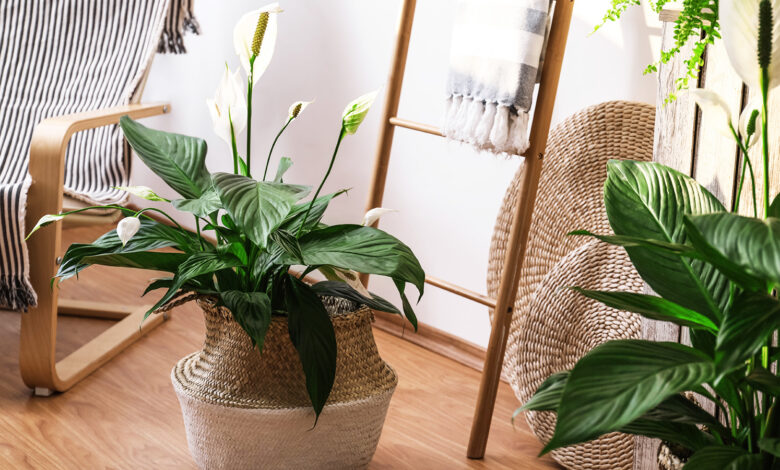
Peace lilies (Spathiphyllum) are powerhouse plants that clean indoor air by targeting multiple toxins simultaneously. NASA research showed peace lilies effectively remove formaldehyde, benzene, trichloroethylene, ammonia, xylene, and toluene – an impressive range that makes them comprehensive air purifiers rather than specialists in single pollutants.
The unique advantage peace lilies offer is their ability to increase humidity levels while purifying air, addressing two common indoor environmental problems at once. Through transpiration, peace lilies release moisture into dry indoor air, creating more comfortable breathing conditions that complement their toxin-removal capabilities. This dual benefit makes them particularly valuable during winter months when heating systems create uncomfortably dry conditions.
Peace lilies are remarkably communicative plants that tell you exactly what they need, making them beginner-friendly despite their sophisticated air-cleaning capabilities. When they need water, they droop dramatically, then perk back up within hours of watering. This clear signaling takes all the guesswork out of care, ensuring your air-purifying peace lily stays healthy enough to keep working effectively.
The elegant white blooms that peace lilies produce are lovely bonuses, but the real value is in those broad, dark green leaves that provide substantial surface area for air filtration. Mature peace lilies can grow quite large, developing the leaf mass needed for meaningful air quality improvement in medium to large rooms.
Important safety note: Peace lilies contain calcium oxalate crystals that cause irritation if ingested, so keep them away from pets and children who might chew on plants. Position them on stands or shelves where their beauty is appreciated but they’re not accessible to curious nibblers.
Boston Fern: The Humidity and Toxin Balancer
Boston ferns (Nephrolepis exaltata) rank among the most effective plants that clean indoor air, particularly for removing formaldehyde and xylene. Their incredibly dense, feathery foliage provides massive surface area for air filtration relative to the space they occupy, making them highly efficient air purifiers per square foot of floor space.
What sets Boston ferns apart from many other air-purifying plants is their exceptional ability to humidify indoor air while removing toxins. These ferns transpire moisture at remarkably high rates, naturally combating the dry air that heating and cooling systems create. This humidity boost improves both air quality and respiratory comfort, especially beneficial for people dealing with dry nasal passages or respiratory sensitivity.
I won’t lie – Boston ferns require more care attention than plants like snake plants or spider plants, but their superior air purification performance justifies the extra effort for many people. These ferns need consistent moisture (never allowing soil to dry completely), high humidity, and bright indirect light. In return, they deliver some of the best air-cleaning results you can get from any houseplant.
The key to Boston fern success is maintaining adequate humidity around the plant itself. I keep mine on pebble trays filled with water and mist them every few days during winter months. This extra humidity care keeps the ferns healthy enough to continue their impressive air purification work without developing the brown, crispy fronds that stressed ferns display.
Position Boston ferns in bathrooms, kitchens, or other naturally humid areas where they’ll thrive with less supplemental care. Their graceful, cascading habit looks stunning in hanging baskets where their full air-purifying potential can be realized as air circulates through their dense fronds.
English Ivy: The Mold Destroyer
English ivy (Hedera helix) offers unique air purification benefits beyond what most plants that clean indoor air provide. While it effectively removes formaldehyde and benzene like many houseplants, English ivy’s real superpower is reducing airborne mold spores. Research by the American College of Allergy, Asthma & Immunology found English ivy reduced airborne mold by 94% within 12 hours.
For people dealing with allergies, asthma, or respiratory sensitivities triggered by mold, English ivy can be genuinely life-changing. Mold spores are prevalent in most homes, especially in bathrooms, basements, and areas with moisture issues. Having English ivy actively filtering these allergens from the air creates measurably healthier breathing conditions.
English ivy is remarkably adaptable to various indoor conditions, tolerating lower light levels than many air-purifying plants require. This flexibility allows you to position ivy strategically in problem areas like bathrooms or basements where mold tends to accumulate but natural light may be limited. Supplement with grow lights if needed, but know that ivy will perform reasonably well even in less-than-ideal lighting.
The trailing or climbing habit of English ivy makes it visually interesting while maximizing air contact with its foliage. I have ivy trailing from hanging planters in my bathroom where it tackles both mold and formaldehyde from personal care products. The lush green cascades look beautiful while working hard to clean the air.
Safety warning: English ivy is toxic to pets and children if ingested, and some people experience skin irritation from handling it. Wear gloves when pruning and position ivy where curious pets or children can’t access it. Despite these precautions, the air purification benefits make ivy worth including if you can manage it safely.
Rubber Plant: The Large-Space Purifier
Rubber plants (Ficus elastica) are among the most efficient plants that clean indoor air, particularly for larger spaces where their substantial size becomes an advantage rather than a challenge. These plants excel at removing formaldehyde and other VOCs, with their large, glossy leaves providing exceptional surface area for air filtration.
What makes rubber plants particularly valuable for air purification is their rapid growth rate and ability to reach substantial size relatively quickly. A mature rubber plant can develop 2-3 foot long leaves with impressive surface area for toxin absorption. This large leaf mass means a single well-grown rubber plant can provide air cleaning equivalent to several smaller plants.
Rubber plants are surprisingly low-maintenance for their size and effectiveness. They tolerate a range of light conditions (preferring bright, indirect light), need water only when the top 2-3 inches of soil dry out, and rarely experience pest problems. This ease of care combined with high performance makes them excellent choices for offices, living rooms, or any large space needing air quality improvement.
The bold, architectural presence of rubber plants makes them statement pieces that serve both aesthetic and functional purposes. I have a 6-foot rubber plant in my living room that’s become a conversation piece while quietly cleaning the air in our main living space. Guests always comment on how impressive it looks, never realizing it’s also working hard to remove toxins from the air we breathe.
Pro tip: Regularly wipe down rubber plant leaves to remove dust that can block stomata and reduce air purification effectiveness. I clean mine monthly with a damp cloth, which takes just a few minutes but keeps those big, beautiful leaves functioning at peak efficiency for air cleaning.
Dracaena: The Versatile Toxin Absorber
Dracaena species collectively represent some of the most versatile plants that clean indoor air, with multiple varieties offering excellent air purification combined with diverse aesthetic options. The NASA study tested several dracaena varieties – including Dracaena marginata, Dracaena fragrans, and Dracaena deremensis – finding all highly effective at removing formaldehyde, benzene, trichloroethylene, and xylene.
What makes dracaenas particularly appealing is the range of sizes, colors, and growth habits available across different species. Whether you want a compact tabletop plant or a dramatic floor specimen, there’s a dracaena variety that fits your space while delivering proven air purification. This versatility lets you address air quality concerns while matching your specific aesthetic preferences and space constraints.
Dracaenas are relatively low-maintenance plants that tolerate typical indoor conditions well. They prefer moderate to bright indirect light, need water when the top inch of soil dries out, and rarely experience serious pest or disease problems when basic care needs are met. This reliability ensures consistent air purification performance without demanding intensive care attention.
The slow to moderate growth rate of most dracaenas means they stay manageable for years without requiring constant pruning or repotting. I have a Dracaena marginata that’s been in the same pot for three years, steadily cleaning my office air while requiring minimal intervention. This long-term stability makes dracaenas excellent investments in sustained air quality improvement.
One consideration with dracaenas is sensitivity to fluoride in tap water, which can cause leaf tip browning. If your water is fluoridated, let it sit out overnight before watering or use distilled water to prevent this cosmetic issue that can reduce photosynthetic efficiency and air cleaning capacity.
Bamboo Palm: The Natural Humidifier
Bamboo palms (Chamaedorea seifrizii) excel as plants that clean indoor air while simultaneously addressing dry air conditions that plague many homes. NASA research identified bamboo palms as particularly effective at removing formaldehyde, benzene, and trichloroethylene, while their high transpiration rate naturally humidifies indoor air.
The tropical origins of bamboo palms mean they’re adapted to humid conditions and actively work to create moisture in their environment. This humidity production benefits both air quality (humid air holds fewer airborne particles) and respiratory comfort, making bamboo palms dual-purpose environmental improvers. During winter months when heating systems create desert-like conditions, bamboo palms become particularly valuable.
Bamboo palms develop into substantial specimens that provide significant air purification capacity as they mature. Their graceful, arching fronds create layers of foliage that maximize air contact and filtration. A mature bamboo palm can reach 6-8 feet tall indoors, providing air cleaning equivalent to multiple smaller plants while creating a stunning tropical focal point.
Care requirements for bamboo palms are moderate – they prefer bright, indirect light but tolerate lower light levels, need consistent moisture without waterlogging, and appreciate occasional misting to support their humidity-loving nature. I keep my bamboo palm in a self-watering planter that maintains consistent moisture with minimal effort, ensuring it stays healthy enough to keep purifying air effectively.
The non-toxic nature of bamboo palms makes them safe choices for homes with pets or children, unlike some other high-performing air purifiers. This safety factor combined with excellent purification makes bamboo palms ideal for family living spaces where both air quality and household safety matter.
Golden Pothos: The Easy-Care Champion
Golden pothos (Epipremnum aureum) might be the most accessible entry point for people new to using plants that clean indoor air. These trailing vines effectively remove formaldehyde, xylene, and benzene while being virtually indestructible – a combination that makes them perfect for beginners or anyone wanting air purification benefits without complicated plant care.
What I love most about pothos for air quality improvement is how quickly they grow under basic care, developing the leaf mass needed for meaningful air purification within months rather than years. Their trailing vines can extend several feet in a single growing season, creating substantial air filtration capacity from what started as a modest plant. This rapid growth means faster results from your air purification investment.
Pothos tolerates an incredibly wide range of conditions – from low to bright indirect light, occasional neglect, variable watering schedules, and typical indoor temperatures. This resilience means pothos continues cleaning your air even when life gets chaotic and plant care falls off your priority list. I’ve seen pothos survive weeks of neglect and bounce back quickly once normal care resumes.
The versatile growth habit of pothos allows creative positioning that maximizes air purification. Train them up moss poles, let them trail from hanging baskets, drape them across shelves, or even grow them in water. This flexibility lets you place pothos strategically throughout your home for comprehensive air cleaning without being constrained by specific growing requirements.
One caveat: Pothos is toxic if ingested, so keep it away from pets and children who might chew on plants. The calcium oxalate crystals in pothos tissue cause mouth and digestive irritation, though serious poisoning is rare. Positioned safely out of reach, pothos provides excellent air purification with minimal risk.
Aloe Vera: The Multi-Purpose Healer
Aloe vera rounds out our list of plants that clean indoor air with unique multi-functional benefits that extend beyond air purification. While effectively removing formaldehyde and benzene, aloe also provides readily available gel for minor burns, cuts, and skin irritations. This dual purpose makes aloe particularly valuable in kitchens where both air quality and occasional cooking injuries are considerations.
Like snake plants, aloe vera performs CAM photosynthesis, releasing oxygen at night while most plants release carbon dioxide. This nighttime oxygen production combined with continuous air purification makes aloe excellent for bedrooms where air quality affects sleep quality. The oxygen boost can genuinely improve breathing comfort throughout the night.
Aloe’s succulent nature means extreme drought tolerance and minimal care requirements – water only every 2-3 weeks and provide bright, indirect light. This low-maintenance profile ensures consistent air purification without demanding daily attention. I have several aloe plants throughout my home that I sometimes forget about for weeks, yet they continue quietly cleaning air while staying healthy.
The compact size of most aloe varieties makes them space-efficient air purifiers perfect for smaller rooms, offices, or anywhere floor space is limited. A single aloe plant might not purify large spaces alone, but grouping 2-3 aloes creates meaningful air quality improvement in bedrooms, bathrooms, or home offices without consuming valuable space.
Aloe reproduces readily through offsets (pups) that develop around mature plants, allowing you to expand your air-purifying plant collection easily. I’ve propagated dozens of aloes from my original plants, spreading air purification throughout my home and sharing plants with friends interested in natural air quality improvement.
How Many Air-Purifying Plants Do You Actually Need?
Understanding the optimal number of plants that clean indoor air is crucial for realistic expectations and effective air quality improvement. The good news is you don’t need to transform your home into a jungle, but you do need more than one or two plants for meaningful results.
The Square Footage Formula
The original NASA research recommended approximately one plant per 100 square feet of living space for noticeable air quality improvement. For a typical 1,500 square foot home, that translates to 15-18 medium-sized plants distributed throughout living areas. This might sound like a lot, but remember that air purification is cumulative – each plant contributes to overall improvement even if individual impact seems small.
More recent research suggests that actual homes (with air leaks, ventilation systems, and continuous pollutant introduction) might need higher plant density than NASA’s sealed chambers indicated. Some environmental scientists recommend doubling NASA’s baseline to 2-3 plants per 100 square feet for homes with significant pollution sources like new furniture, renovations, or heavy cleaning product use.
Plant size matters significantly in these calculations. One large rubber plant or mature bamboo palm might provide air cleaning equivalent to 3-4 smaller plants. When calculating your needs, consider both quantity and total leaf surface area rather than just counting individual plants. A few large specimens might meet your needs better than many small plants.
Focus your plant placement in rooms where you spend the most time – bedrooms, living rooms, home offices – rather than evenly distributing plants throughout your entire home. Strategic concentration in high-use areas maximizes the air quality benefits you actually experience daily, making your investment in air-purifying plants more impactful.
Strategic Placement for Maximum Benefit
Positioning plants that clean indoor air strategically amplifies their effectiveness beyond what raw numbers suggest. Place plants near pollution sources when possible – near the printer that emits toner particles, beside new furniture off-gassing formaldehyde, or in rooms where cleaning products are stored. This proximity lets plants filter pollutants at their source before they disperse throughout your home.
Air circulation patterns affect how well plants purify your space. Position plants where air naturally moves – near (but not directly in front of) heating vents, close to doorways where air flows between rooms, or near windows where temperature differences create air movement. Active air circulation brings more polluted air into contact with plant foliage, increasing purification efficiency.
Room-specific considerations matter for optimal plant placement. Bathrooms benefit particularly from mold-fighting English ivy and humidity-loving Boston ferns. Bedrooms do well with nighttime oxygen-producing snake plants and aloes. Living rooms with new furniture need formaldehyde-fighting spider plants and rubber plants. Match plant capabilities to room-specific air quality challenges.
Don’t forget about often-neglected spaces like home offices, basements, or garages where air quality might be poor but plant placement isn’t typically considered. I added several spider plants and pothos to my home office where my printer emits particles, and I genuinely notice improved air freshness compared to before I prioritized plant placement there.
Caring for Your Air-Cleaning Plant Babies
Proper care ensures your plants that clean indoor air stay healthy enough to perform their air-purifying magic effectively. Fortunately, most air-cleaning plants are relatively low-maintenance and forgiving of occasional care mistakes.
Universal Care Tips for Air-Purifying Plants
Light requirements vary among different air-purifying species, but most tolerate moderate indirect light conditions reasonably well. South or east-facing windows provide ideal light for most species, though many (like snake plants, pothos, and English ivy) adapt to lower light levels. If natural light is limited, supplemental LED grow lights can support plant health and maintain air purification effectiveness.
Watering schedules should match individual plant needs rather than following rigid calendars. The “finger test” works for most plants – stick your finger 1-2 inches into soil, and water only when it feels dry at that depth. Overwatering kills more houseplants than any other factor, and dead plants obviously can’t purify air. When in doubt, wait an extra day or two before watering.
Fertilization supports plant growth and health but isn’t critical for air purification functions. Most air-purifying plants perform well with diluted fertilizer monthly during spring and summer, with reduced or no feeding during fall and winter dormancy. Avoid over-fertilizing, which can cause rapid, weak growth that’s more susceptible to pests and diseases.
Temperature stability matters more than specific temperature ranges for most air-purifying houseplants. Avoid positioning plants near heating/cooling vents, drafty windows, or exterior doors where temperature fluctuations stress plants and reduce their vigor. Consistent temperatures in the 65-75°F range work well for nearly all the plants discussed in this guide.
Avoiding Care Mistakes That Reduce Effectiveness
Leaf dust accumulation blocks stomata and significantly reduces air purification capacity, yet many people never clean their plants. I wipe down large-leaved plants like rubber plants and peace lilies monthly with a damp cloth, removing dust that would otherwise reduce their air-cleaning effectiveness by 20-30%. For plants with numerous small leaves, a gentle shower rinses away accumulated dust.
Rootbound conditions stress plants and reduce their ability to process pollutants effectively. Check roots annually by gently tipping plants from their pots – if roots completely fill the pot or circle densely, it’s time to repot into a slightly larger container. Healthy root systems support vigorous growth and optimal air purification performance.
Ignoring pest problems allows infestations to damage plants and reduce air purification capacity. Check plants weekly for common pests like spider mites, mealybugs, and scale insects. Early detection makes treatment easy with insecticidal soap or neem oil, preventing damage that compromises plant health and air-cleaning ability.
Inconsistent care creates stress that reduces plant vigor and purification effectiveness. While most air-purifying plants tolerate occasional neglect, wildly inconsistent care – alternating between overwatering and severe drought, or moving plants frequently between different light conditions – stresses them and reduces their capacity to function optimally as air purifiers.
Maximizing Air Purification Benefits
Beyond basic plant care, several strategies enhance the air-cleaning effectiveness of your plants that clean indoor air. These optimizations help you get maximum purification performance from your investment in air-purifying plants.
Maintaining clean, healthy leaves is crucial for optimal air purification since stomata on leaf surfaces absorb airborne pollutants. Beyond removing dust, check leaves periodically for damage, disease spots, or insect feeding that reduces photosynthetic efficiency. Healthy, unblemished leaves perform significantly better at air filtration than damaged foliage.
Soil health directly impacts air purification because root-zone microorganisms break down many pollutants that plants absorb. Use quality potting soil with good structure and drainage, and refresh the top inch or two annually to maintain beneficial microbial populations. Avoid compacted, degraded soil that doesn’t support robust root and microbe communities.
Container choices affect root health and consequently air purification effectiveness. Porous containers like terracotta allow better air exchange to roots, supporting the microbial communities that help break down pollutants. Ensure all containers have drainage holes to prevent waterlogging that kills roots and eliminates plants’ ability to process toxins.
Strategic pruning encourages bushier growth that increases leaf surface area for air filtration. Rather than letting plants become leggy or sparse, pinch back growing tips to promote branching and denser foliage. More leaves mean more stomata absorbing pollutants, directly enhancing air purification capacity.
Grouping plants creates microenvironments with higher humidity and better air circulation patterns that benefit both plant health and air purification effectiveness. I have several plant groupings throughout my home where 3-5 plants clustered together seem to perform better than isolated specimens, likely due to improved local conditions and more efficient air filtering.
Common Myths About Air-Purifying Plants
Despite solid scientific backing for plants that clean indoor air, several persistent myths create unrealistic expectations or unnecessary concerns that prevent people from benefiting from air-purifying plants.
Myth 1: One plant significantly purifies a whole room. Reality check – individual plants make modest contributions to air quality. You need multiple plants working together for meaningful purification. The “one plant per 100 square feet” guideline exists because single plants simply can’t process enough air to substantially impact room-sized spaces.
Myth 2: Plants remove all indoor air pollutants. Plants effectively reduce certain VOCs and some other pollutants, but they don’t eliminate everything. They work best as part of comprehensive air quality strategies that include proper ventilation, source reduction (choosing low-VOC products), and potentially mechanical air filtration for severe pollution problems.
Myth 3: Any houseplant purifies air equally well. Scientific research clearly shows dramatic differences in air purification capacity among plant species. While all plants provide some air quality benefit through photosynthesis, the species highlighted in NASA studies and subsequent research significantly outperform random houseplants for toxin removal.
Myth 4: Plants release dangerous amounts of CO2 at night. Some people worry that bedroom plants reduce oxygen levels overnight. In reality, nighttime CO2 release from plants is negligible compared to what humans exhale. CAM plants like snake plants and aloe actually release oxygen at night, providing net positive air quality effects.
Myth 5: More plants always equals better air quality. Beyond certain saturation points, additional plants don’t proportionally improve air quality and can create problems like excess humidity or inadequate light reaching lower leaves. Finding the optimal balance for your space size and pollution levels works better than endlessly adding plants.
Realistic expectations are crucial for successful air purification with plants. They’re valuable tools for improving indoor air quality but work best as part of broader healthy-home strategies rather than standalone solutions to serious pollution problems.
FAQ: Air-Purifying Plants
How long does it take for plants to improve indoor air quality?
Plants begin purifying air immediately, but noticeable improvements typically take 2-4 weeks as plants acclimate and establish in their new environment. The NASA study measured significant pollutant reduction within 24 hours under ideal conditions, but real homes with continuous pollutant sources see more gradual improvement. For homes with new furniture or recent renovations off-gassing heavily, expect 4-8 weeks before air quality noticeably improves.
Do air-purifying plants work in rooms without windows?
Yes, several air-purifying plants tolerate low-light conditions suitable for windowless rooms. Snake plants, pothos, and English ivy all function reasonably well in low light, though they grow more slowly. Supplement with LED grow lights if possible to maintain better plant health and optimize air purification capacity. Plants in low light still purify air, just potentially less efficiently than the same species in brighter conditions.
Can plants remove cigarette smoke or pet odors?
Plants reduce some compounds in smoke and odors but don’t eliminate them completely. They’re more effective against VOCs from furniture and products than against particulate matter in smoke or organic odor compounds. For smoke or strong odors, plants should complement other strategies like air purifiers with HEPA and activated carbon filters, increased ventilation, and source elimination rather than serving as standalone solutions.
Are artificial plants just as good for air quality?
No, artificial plants provide zero air purification benefits. The air-cleaning effects come from biological processes in living plants – absorption through stomata, transpiration, and root-zone microbial activity. Fake plants might look similar but don’t perform any of the functions that make real plants valuable for air quality. Only living plants that clean indoor air provide actual purification benefits.
Do bigger plants clean more air than smaller ones?
Generally yes, though not always proportionally. Larger plants typically have more leaf surface area for absorbing pollutants and more robust root systems supporting beneficial microbes. However, plant health matters as much as size – a healthy small plant might outperform a stressed large specimen. The most effective approach combines several medium-to-large healthy plants rather than one massive plant or many tiny ones.
Can plants help with allergies and asthma?
Plants can help and hurt depending on circumstances. English ivy’s mold reduction benefits allergy and asthma sufferers triggered by mold spores. Humidity from plants can ease breathing for some people but worsen symptoms for others. However, soil mold from overwatering can trigger allergies, and some people react to plant pollens. Start with one plant and monitor your response before committing to many air-purifying plants.
How do I know if my air-purifying plants are actually working?
Direct measurement requires air quality monitors that test for specific VOCs, but most people notice subjective improvements: reduced stuffiness, fewer headaches, less nasal irritation, or better sleep. Plants working well show healthy growth – new leaves, good color, and no signs of stress. If plants decline despite proper care, environmental conditions might not support their air purification functions optimally.
Transform Your Indoor Air Quality Naturally
Remember, creating genuinely healthier indoor air through plants isn’t about perfection or having the “perfect” plant collection. It’s about taking meaningful steps to reduce your exposure to indoor pollutants using natural solutions that science has proven effective.
Your journey with plants that clean indoor air can start small and simple. Pick one or two species from this list that resonate with you – maybe an easy-care pothos if you’re nervous about plant parenting, or a statement rubber plant if you want dramatic impact. Give these plant babies the basic care they need and observe how they affect your indoor environment over several weeks.
The beautiful thing about air-purifying plants is that benefits compound over time. As your plants grow larger and more established, they develop greater capacity for toxin removal. As you gain confidence and experience, you can expand your collection strategically, targeting specific rooms or pollution sources with appropriate plant species.
Don’t get discouraged if you don’t notice immediate dramatic changes. Air quality improvement through plants is gradual and cumulative rather than instant. Pay attention to subtle shifts – maybe you’re waking up with less congestion, experiencing fewer afternoon headaches, or noticing that your home just feels fresher. These small improvements represent real air quality gains that protect your long-term health.
Your home should support your health rather than compromising it, and the right plants are powerful allies in creating truly healthy indoor spaces. Whether you choose one plant or all ten from this list, you’re taking meaningful action to reduce your exposure to indoor air pollutants naturally.
Start with the plant that speaks to you most strongly, give it the care it needs to thrive, and let it work its air-cleaning magic in your space. Your lungs, your immune system, and your overall wellbeing will thank you for making this simple but powerful change to your indoor environment.
The air you breathe matters profoundly to your health, and you have more control over it than you might realize. Transform your indoor air quality one plant at a time, and enjoy both the beauty and the breathing benefits that come with filling your space with these remarkable air-purifying plant babies!
Happy Planting, Jasmine


