I used to think soil was just soil. Grab a bag from the garden center, fill your pot, done. Then I watched my fiddle leaf fig slowly decline in what I thought was “premium” potting mix. Turns out that dense, moisture-retaining soil was suffocating its roots.
The right soil mix makes or breaks houseplant success. It’s not about finding one “perfect” mix for everything. Different plants need different soil characteristics. Understanding what makes soil work helps you choose or create the ideal mix for each plant type.
In this guide, I’m breaking down everything you need to know about houseplant soil. You’ll learn what components do, which plants need what characteristics, and how to choose or mix soil that keeps your specific plants thriving.


Why Regular Garden Soil Doesn’t Work Indoors
Garden soil seems like the obvious choice for potted plants. It’s soil, right? But bringing outdoor dirt inside almost always causes problems.
The Compaction Problem
Garden soil compacts heavily in containers. Outdoors, worms and other organisms constantly aerate soil. Rain and seasonal freeze-thaw cycles create air pockets. Plant roots push through, keeping soil loose.
None of that happens in a pot on your shelf. Garden soil in containers becomes dense and concrete-like within weeks. This compression squeezes out air pockets that roots desperately need.
Compacted soil also drains poorly. Water sits on the surface instead of penetrating evenly. Roots either stay too wet (causing rot) or stay too dry (causing stress) depending on your watering technique.
I learned this lesson when I potted up some garden plants to bring inside. Within a month, the soil surface was rock-hard and water pooled instead of soaking in. The plants looked miserable despite my careful watering.
Outdoor Pests and Diseases
Garden soil contains organisms adapted to outdoor conditions. Some are beneficial in gardens but problematic indoors.
Fungus gnats love organic-rich garden soil and thrive in the consistently moist, warm conditions of indoor pots. These annoying flying insects multiply rapidly indoors without the natural predators that control them outside.
Pathogens that cause root rot and other diseases concentrate in poorly-draining container soil. Outdoors, these organisms spread through larger soil volumes. In pots, they concentrate around stressed roots.
Missing the Indoor Formula
Houseplant potting mixes are engineered specifically for container growing. They balance water retention with drainage, provide aeration, and resist compaction over time.
These specialized mixes cost more than garden soil but perform completely differently. The investment prevents the frustration of struggling plants and eventual replacements.
What Makes Good Houseplant Soil
The best soil mix for houseplants balances several key characteristics. Understanding these helps you evaluate pre-made mixes or create custom blends.
Proper Drainage
Drainage determines how quickly excess water exits the pot after watering. Good drainage prevents water from sitting around roots for extended periods.
When you water thoroughly, excess should drain from bottom holes within minutes. Water that sits in soil for hours or days creates the soggy conditions where root rot thrives.
Well-draining soil contains particles of various sizes. Large particles create channels where water flows through. Smaller particles hold some moisture while allowing drainage.
The drainage sweet spot varies by plant type. Succulents need extremely fast drainage. Ferns prefer slower drainage that retains more moisture. Most common houseplants fall somewhere in between.
Adequate Aeration
Aeration means air space within the soil structure. Plant roots need oxygen just like we do. Without adequate air pockets, roots literally suffocate.
Good aeration feels light and fluffy when you squeeze soil. Poor aeration feels dense and compacted. The soil stays packed tightly even when you try to fluff it.
Chunky components like perlite, bark, or pumice create permanent air pockets that don’t collapse when soil gets wet. These aeration amendments maintain soil structure over time.
Some plants need more aeration than others. Aroids (like monsteras and philodendrons) love extremely chunky, airy mixes. Peace lilies tolerate denser soil with less air space.
Moisture Retention
While drainage prevents waterlogging, moisture retention ensures roots can access water between waterings. The balance between these two factors determines watering frequency.
Soil components like peat moss, coco coir, and compost hold water in their structure. They act like tiny sponges, releasing moisture gradually as roots absorb it.
Too much moisture retention creates constantly soggy soil even with good drainage. Too little means you’re watering every other day because soil dries out instantly.
Your watering habits should influence soil choice. If you water frequently, choose faster-draining mixes. If you prefer weekly watering, select mixes with more moisture retention.
Nutrient Content
Soil provides physical structure and also nutrients plants need for growth. However, nutrient content in potting mix matters less than you might think.
Most bagged potting mixes contain enough nutrients for 4-8 weeks of growth. After that, you’ll need to fertilize regularly regardless of your soil choice.
Some mixes include slow-release fertilizer that feeds plants for 3-6 months. These work well for low-maintenance growers but can over-feed plants in lower light conditions.
I prefer starting with unfertilized mixes and controlling feeding myself. This gives me more flexibility to adjust nutrition based on each plant’s needs and growing conditions.
Common Soil Components and What They Do
Understanding individual components helps you evaluate pre-mixed products or create custom blends for specific needs.
Peat Moss
Peat moss forms the base of most commercial potting mixes. This partially decomposed sphagnum moss comes from ancient peat bogs.

Benefits:
- Excellent water retention
- Lightweight and fluffy when fresh
- Acidic pH (good for acid-loving plants)
- Naturally sterile (minimal disease risk)
Drawbacks:
- Difficult to rewet once completely dry
- Non-renewable resource (environmental concerns)
- Compacts over time
- Becomes hydrophobic when dry
Peat moss is that brown, fibrous material that makes up the bulk of most bagged mixes. It works well but has environmental concerns due to peat bog destruction.
Coco Coir
Coco coir is made from coconut husk fibers. It serves as a renewable alternative to peat moss with similar characteristics.

Benefits:
- Renewable and sustainable resource
- Excellent water retention
- Better aeration than peat moss
- Rewets easily even when dry
- Naturally resistant to pests
Drawbacks:
- Can contain salt if not properly processed
- Needs nutrient supplementation (no inherent fertility)
- Quality varies between brands
- Slightly more expensive than peat
I’ve been transitioning to coco coir-based mixes for sustainability reasons. The performance matches or exceeds peat moss in most applications.
Perlite
Perlite looks like small white rocks but is actually heated volcanic glass that’s expanded into lightweight, porous particles.

Benefits:
- Excellent drainage improvement
- Creates permanent air pockets
- Doesn’t break down over time
- Lightweight (reduces pot weight)
- Sterile and pH neutral
Drawbacks:
- Dust when dry (wear a mask when mixing)
- Can float to soil surface when watering
- No nutritional value
- May not be aesthetically pleasing on surface
Those white chunks you see in most potting mixes are perlite. It’s one of the most effective aeration amendments available.
Vermiculite
Vermiculite is another heated mineral product, but unlike perlite, it absorbs and holds water rather than creating drainage.
Benefits:
- Increases water retention
- Holds nutrients for slow release
- Provides aeration (though less than perlite)
- Lightweight
- Neutral pH
Drawbacks:
- Can compact more than perlite
- May contain trace asbestos (use horticultural grade)
- Less commonly needed than perlite
- Can become waterlogged in heavy soils
Vermiculite works well for plants needing consistent moisture. I use it sparingly since most houseplants prefer better drainage than vermiculite provides.
Bark and Wood Chips
Orchid bark, pine bark fines, and other wood products add significant aeration and drainage to mixes.
Benefits:
- Excellent drainage and aeration
- Slow to decompose (lasts years)
- Creates chunky, open soil structure
- Good for epiphytic plants
- Provides some trace nutrients as it breaks down
Drawbacks:
- Can temporarily tie up nitrogen as it decomposes
- May need additional watering (dries quickly)
- Quality varies significantly between products
- Can attract fungus gnats if too fresh
Bark-based mixes work fantastically for aroids, orchids, and other plants wanting extremely well-aerated roots.
Pumice and Lava Rock
These volcanic rocks provide permanent drainage and aeration without breaking down over time.
Benefits:
- Never decomposes or breaks down
- Excellent drainage and aeration
- Can be reused indefinitely
- No dust issues like perlite
- Naturally porous structure
Drawbacks:
- Heavier than perlite (increases pot weight)
- More expensive than other amendments
- Harder to find (less common in stores)
- Very little water retention
I’ve started adding pumice to mixes for plants I expect to keep for years. The permanent structure means the mix never compacts.
Worm Castings and Compost
These organic components add nutrients and beneficial microorganisms to potting mixes.
Benefits:
- Rich in nutrients and microorganisms
- Improves soil structure
- Increases water retention
- Slow nutrient release
- Helps buffer pH
Drawbacks:
- Can attract fungus gnats
- May contain weed seeds
- Variable quality between sources
- Can become too dense in high concentrations
Use worm castings or compost as a supplement (10-20% of mix) rather than a primary component for most houseplants.
Choosing Soil for Different Plant Types
Different plants evolved in different environments. Matching soil characteristics to plant origins ensures the best growth.
Tropical Foliage Plants
Most common houseplants fall into this category: pothos, philodendrons, monsteras, snake plants, and peace lilies.
Ideal Mix Characteristics:
- Moderate to good drainage
- Good moisture retention
- Well-aerated but not chunky
- Slightly acidic to neutral pH
Recommended Mix:
- 50% peat moss or coco coir
- 30% perlite
- 20% bark or compost
This balanced mix drains well while retaining enough moisture for weekly watering. The combination supports healthy root growth for most tropical plants.
Succulents and Cacti
These desert natives need extremely fast drainage and prefer drier conditions between waterings.
Ideal Mix Characteristics:
- Extremely fast drainage
- Minimal water retention
- Excellent aeration
- Gritty texture
Recommended Mix:
- 30% coco coir or peat
- 70% drainage materials (perlite, pumice, coarse sand)
Some growers use even less organic matter for succulents. The high proportion of gritty material ensures roots never sit in moisture.
I’ve had much better success with succulents since switching to these super-gritty mixes. They can handle my occasional overwatering without developing root rot.
Aroids (Monsteras, Philodendrons, Anthuriums)
These plants are often epiphytic in nature, growing on trees with roots exposed to air and quick drainage.
Ideal Mix Characteristics:
- Very chunky, extremely well-aerated
- Fast drainage
- Some moisture retention
- Lots of air pockets
Recommended Mix:
- 40% coco coir or peat
- 30% perlite or pumice
- 30% orchid bark (medium or large chunks)
This chunky mix mimics the airy conditions aroids experience growing on trees. The large particle size ensures roots get plenty of oxygen.
My monstera absolutely thrived after I switched it to a chunky aroid mix. Growth exploded compared to standard potting soil.
Ferns
Ferns evolved in moist forest floors with consistent moisture and rich organic matter.
Ideal Mix Characteristics:
- High moisture retention
- Good drainage (not soggy)
- Rich in organic matter
- Slightly acidic pH
Recommended Mix:
- 60% peat moss or coco coir
- 20% perlite
- 20% compost or worm castings
This moisture-retentive mix keeps fern roots consistently hydrated without becoming waterlogged. The organic matter provides nutrients and mimics forest floor conditions.
Orchids
Most houseplant orchids (Phalaenopsis) need almost no traditional soil at all.
Ideal Mix Characteristics:
- Extremely fast drainage
- Massive air pockets
- Minimal water retention
- Chunky structure
Recommended Mix:
- 100% orchid bark (large chips)
- Optional: add 10-20% perlite or charcoal
Orchid roots need air circulation around them. Standard potting mix stays too wet and causes root rot. The large bark chunks drain almost instantly while giving roots something to anchor to.
African Violets
These popular flowering plants have specific soil preferences for best blooming.
Ideal Mix Characteristics:
- Good drainage with moderate moisture retention
- Very light and fluffy texture
- Slightly acidic pH
- Well-aerated
Recommended Mix:
- 50% peat moss or coco coir
- 35% perlite
- 15% vermiculite
The high perlite content ensures good drainage while vermiculite holds some moisture. African violets bloom best when slightly pot-bound in this light, fluffy mix.
Pre-Mixed vs. Custom Soil Mixes
Both approaches have advantages. Your choice depends on collection size, plant diversity, and how much effort you want to invest.
Buying Pre-Mixed Potting Soil
Commercial potting mixes offer convenience and consistency. They’re formulated for specific plant types or general use.
Advantages:
- Ready to use immediately
- Consistent quality between bags
- Often sterilized (fewer pests)
- Formulated for specific plant types
Disadvantages:
- More expensive than mixing yourself
- May not match your specific needs
- Can contain unwanted additives (fertilizers, moisture crystals)
- Quality varies between brands
What to Look For:
Read ingredient lists carefully. Avoid mixes listing “forest products” or “humus” without specifics. These vague terms hide low-quality fillers.
Look for specific components: peat moss or coco coir, perlite or vermiculite, bark or compost. The more specific the ingredients, the better quality usually.
Check for adequate drainage materials. Squeeze the bag – it should feel light and springy, not dense and heavy.
Creating Custom Soil Mixes
Mixing your own soil gives you complete control over ingredients and characteristics.
Advantages:
- Customize for each plant type
- Control ingredient quality
- Usually more economical for large collections
- Adjust ratios based on your watering habits
Disadvantages:
- Requires buying multiple components
- Storage space needed for ingredients
- Dust and mess during mixing
- Learning curve to get ratios right
Basic Mixing Process:
Start with a large container or tarp for mixing. Measure components by volume (not weight) using a scoop or bucket.
Add ingredients one at a time, mixing thoroughly between additions. Break up any clumps and ensure even distribution.
Moisten the mix slightly before using. Bone-dry peat moss or coco coir is very difficult to wet after potting.
Store unused mix in sealed containers or bags to prevent drying out and keep pests out.
How to Test and Adjust Your Soil Mix
Even the best soil mix needs evaluation with your specific plants and conditions.
The Squeeze Test
Grab a handful of moist (not wet) soil and squeeze firmly. Open your hand and observe:
Too Dense: Soil forms a tight ball that doesn’t crumble. Add more perlite or bark for better drainage.
Too Light: Soil won’t hold together at all, falls apart immediately. Add more peat moss or coco coir for moisture retention.
Just Right: Soil forms a loose ball that crumbles easily when poked. This indicates good balance between drainage and moisture retention.
The Drainage Test
Water a newly potted plant thoroughly. Observe how quickly water drains from bottom holes:
Too Slow: Water takes several minutes to drain, or pools on the surface. Mix is too dense – add more perlite or similar amendments.
Too Fast: Water rushes through in seconds, soil seems to shed water. Add more moisture-retentive materials like coco coir or peat.
Good Drainage: Water drains steadily over 10-30 seconds, no pooling or rushing.
Plant Response Indicators
Your plants tell you if soil is working through their growth and health:
Signs Soil is Too Dense:
- Slow growth
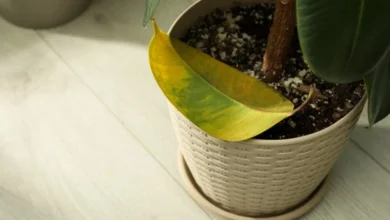
- Yellow leaves
- Musty smell from pot
- Fungus gnats
- Root rot
Signs Soil Drains Too Fast:
- Wilting between waterings
- Brown, crispy leaf tips
- Frequent watering needed
- Slow growth despite adequate care
Signs Soil is Working Well:
- Steady, healthy growth
- No signs of root problems
- Watering frequency feels manageable
- No persistent pest issues
Special Considerations for Soil Health
Soil isn’t static – it changes over time and needs attention to maintain effectiveness.
Soil Breakdown and Compaction
All organic components eventually break down. Peat moss and coco coir decompose slowly, while bark and compost break down faster.
As components decompose, soil compacts and loses its original structure. Drainage slows, aeration decreases, and roots start struggling.
Most potting mixes need replacement every 1-2 years even if the plant doesn’t need a larger pot. Refreshing soil maintains healthy root conditions.
Salt Buildup
Fertilizer salts accumulate in potting soil over time, especially in containers with limited drainage.
Signs of salt buildup include white crusty deposits on soil surface or pot edges, brown leaf tips, and reduced growth despite adequate care.
Flush soil periodically by watering thoroughly until water runs clear from drainage holes. This leaches out accumulated salts.
Using filtered or distilled water reduces salt accumulation compared to tap water in some areas.
Reusing Potting Soil
Used potting soil can be refreshed and reused with some precautions.
Remove old soil from pots and spread it out to dry. Pick out any dead roots or debris.
Mix old soil 50/50 with fresh components. Add perlite to restore drainage and coco coir or peat to improve structure.
Avoid reusing soil from plants that died from disease or severe pest infestations. The risk of spreading problems to healthy plants isn’t worth the savings.
Common Soil Mistakes and Solutions
Learn from these common errors that plague both beginners and experienced growers.
Using Old, Compacted Soil
That bag of potting mix sitting in your garage for three years? It’s probably broken down and compacted significantly.
Old potting mix loses structure as organic components decompose. What started as fluffy mix becomes dense and poorly-draining.
Always check stored potting mix before using. If it feels dense and heavy, refresh it with new perlite and coco coir before potting.
Overpacking Soil in Pots
Pressing soil down firmly when potting eliminates the air pockets plants need. This common mistake creates artificially compacted conditions.
Add soil loosely and tap the pot against your work surface to settle it naturally. Don’t press or pack soil down with your hands.
Leave about half an inch of space between soil surface and pot rim. This creates a reservoir for water and prevents overflow when watering.
Ignoring Seasonal Needs
Soil performs differently in different seasons. Summer heat dries soil faster while winter’s shorter days slow water use.
A mix that drains perfectly in summer might stay too wet in winter. Consider having slightly different mixes for different seasons.
Alternatively, adjust watering frequency seasonally rather than trying to maintain consistent schedules year-round.
Not Matching Mix to Plant
Using the same potting mix for every plant type ignores their diverse needs. What works for a pothos will drown a cactus.
Group plants with similar needs when possible. This lets you use the same soil mix for multiple plants, simplifying care.
When you can’t find a perfect pre-made mix, customize it. Adding extra perlite to standard mix creates better drainage for succulents.
Building Your Soil Component Collection
If you decide to mix your own soil, start with these essential ingredients.
Essential Components
These five components let you create mixes for most common houseplants:
1. Coco coir or peat moss (base material, moisture retention) 2. Perlite (drainage and aeration) 3. Bark (chunky aeration for aroids and orchids) 4. Worm castings (nutrients and beneficial microbes) 5. Pumice (optional but excellent for long-term structure)
Storage Tips
Store components in sealed containers or heavy-duty bags to prevent moisture absorption and pest invasion.
Label everything clearly with component name and purchase date. Some materials degrade in storage over time.
Keep storage area cool and dry. Heat and moisture accelerate breakdown of organic components.
Budget-Friendly Sourcing
Buy components in bulk for significant savings. Large bags of perlite, bark, and coco coir cost much less per volume than small bags.
Split bulk purchases with plant-loving friends to reduce individual cost and storage needs.
Check agricultural suppliers or hydroponics stores for commercial-sized bags of components at wholesale pricing.
Conclusion
The best soil mix for houseplants depends on your specific plants, watering habits, and growing conditions. There’s no single perfect formula that works for everything.
Start with quality pre-mixed soil matched to your plant types. Pay attention to how plants respond. Adjust by adding perlite for better drainage or coco coir for more moisture retention.
As your collection grows and diversifies, consider mixing custom blends for different plant categories. The upfront effort pays off in healthier plants and easier care.
Good soil is the foundation of houseplant success. Get this right and you’ll solve countless problems before they start. Your plants will reward proper soil with vigorous growth and long-term health.
Start evaluating your current potting mixes today. Check for adequate drainage, good aeration, and appropriate moisture retention. Make adjustments as needed and watch your plants thrive.
Happy Planting, Jasmine