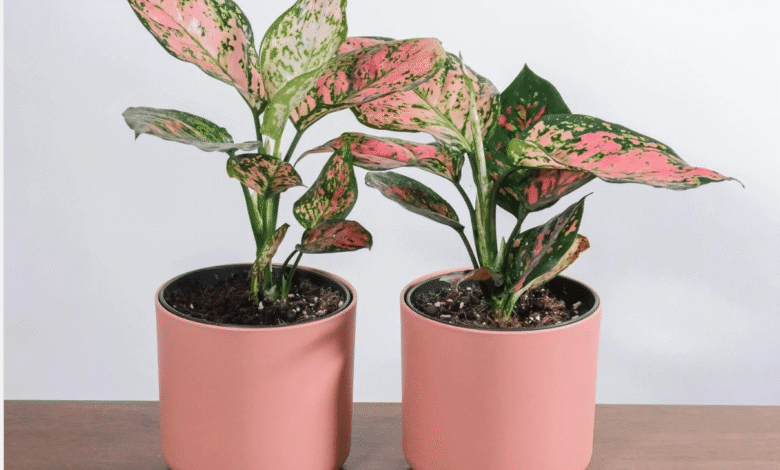
Chinese Evergreen (Aglaonema) ranks among the most forgiving and beautiful houseplants, perfect for beginners and low-light conditions. With stunning foliage in colors ranging from deep green to pink and red, plus exceptional tolerance for neglect, these tropical plants bring year-round color to any indoor space with minimal care requirements.
Chinese Evergreen Overview: Why Aglaonema is Perfect for Beginners
Exceptional Characteristics
Chinese Evergreens originated in the tropical forests of Southeast Asia, evolving as understory plants that thrive in filtered light and high humidity. This evolutionary history makes them perfectly adapted to typical home conditions where many plants struggle.
Key advantages:

- Low-light champion: One of few colorful plants thriving in dim conditions
- Forgiving nature: Tolerates irregular watering and care mistakes
- Slow growth: Stays manageable size without frequent repotting
- Air purifying: NASA-tested ability to remove toxins from indoor air
- Stunning foliage: Vibrant patterns in green, silver, pink, and red
Size expectations: Most varieties grow 1-3 feet tall and wide indoors, taking 2-3 years to reach mature size. Compact varieties stay under 12 inches, while larger cultivars can reach 4 feet in ideal conditions.
Lifespan: With proper Chinese Evergreen care, these plants live 5-10+ years indoors, becoming cherished long-term companions that improve with age.
External authority reference: University of Florida IFAS Extension – Aglaonema – Research-based growing information
Toxicity Warning
Important safety note: Chinese Evergreens contain calcium oxalate crystals toxic to cats, dogs, and humans if ingested. Symptoms include mouth irritation, excessive drooling, and difficulty swallowing.
Safety measures:
- Position out of reach of pets and children
- Wash hands after handling or pruning
- Use gloves when propagating or repotting
- Seek veterinary care immediately if pets ingest
- Consider pet-safe alternatives if you have curious animals
Essential Chinese Evergreen Care Requirements
Temperature and Humidity Needs
Chinese Evergreens prefer warm, stable temperatures mimicking their tropical origins. Consistent conditions prevent stress and promote healthy growth.
Optimal temperature range:
- Ideal: 65-80°F (18-27°C) year-round
- Minimum: Never below 60°F (15°C)
- Maximum: Can tolerate up to 85°F (29°C)
- Avoid: Cold drafts, sudden temperature changes, proximity to AC vents
- Winter care: Move away from cold windows at night
Humidity requirements:
- Preferred: 50-60% relative humidity
- Minimum tolerated: 40% humidity
- Signs of low humidity: Brown leaf tips and edges
- Increasing humidity: Group plants, use pebble trays, run humidifiers
- Natural advantage: Tolerates average home humidity better than most tropicals
Seasonal adjustments: During winter heating season, monitor for brown leaf tips indicating dry air. Increase humidity through grouping plants or using a humidifier rather than misting (which can promote fungal problems).
Pot and Container Selection
Proper container choice significantly impacts Chinese Evergreen care success, affecting drainage, root health, and watering frequency.
Container requirements:
- Drainage holes: Absolutely essential—non-negotiable for health
- Size: 1-2 inches larger than root ball when repotting
- Material: Plastic retains moisture longer; terracotta dries faster
- Depth: Standard depth pots work well—avoid overly deep containers
- Saucer: Catch drainage but empty promptly after watering
Sizing guidelines:
- 6-8 inch pot: Perfect for small to medium plants (1-2 feet)
- 10-12 inch pot: Accommodates larger mature specimens (2-3 feet)
- Avoid oversizing: Too-large containers lead to overwatering and root rot
- Repot timing: Every 2-3 years or when roots circle pot bottom
Decorative container options: If using cachepot (decorative outer pot without drainage), place drainage pot inside and remove for watering. Never let plant sit in standing water in cachepot.
Seasonal Care Adjustments
Chinese Evergreen care needs shift with seasons, primarily affecting watering frequency and growth expectations.
Spring/Summer (growing season):
- Water more frequently as growth accelerates
- Fertilize monthly with diluted liquid fertilizer
- Expect new leaf production every 2-4 weeks
- Optimal time for propagation and repotting
- Monitor for increased pest activity in warmer weather
Fall/Winter (dormancy period):
- Reduce watering frequency by 30-50%
- Stop fertilizing from October through February
- Growth slows significantly or stops completely
- Natural leaf drop of 1-2 oldest leaves acceptable
- Protect from cold windows and heating vents
Climate control impacts: Central heating dramatically reduces indoor humidity. Air conditioning can create cold drafts. Position plants away from direct airflow from both systems.
Watering Your Chinese Evergreen Correctly
Proper watering represents the most critical aspect of Chinese Evergreen care, with overwatering being the primary cause of plant failure.
How Often to Water
General guidelines:
- Spring/Summer: Every 7-10 days typically
- Fall/Winter: Every 10-14 days or less
- Actual frequency: Depends on light, temperature, humidity, pot size
- Golden rule: Water when top 2-3 inches of soil feel dry to touch
- Never: Follow rigid calendar schedule—check soil moisture first
Soil moisture testing:
- Finger method: Insert finger 2-3 inches deep—if dry, water
- Moisture meter: Provides objective reading throughout soil depth
- Weight test: Learn pot weight when wet versus dry
- Visual cue: Slight leaf drooping indicates watering time (recovers quickly)
- Seasonal variation: Adjust frequency based on seasonal growth patterns
Proper watering technique:
- Water thoroughly until draining from pot holes
- Allow complete drainage—never let sit in standing water
- Empty saucer 15-30 minutes after watering
- Use room-temperature water to prevent root shock
- Water soil directly, avoiding water on leaves
Environmental factors affecting frequency:
- Bright light: Increases water usage and evaporation
- Warm temperatures: Plants metabolize and transpire faster
- Low humidity: Soil dries more quickly
- Large plants: Use more water than small specimens
- Plastic pots: Dry slower than terracotta
Internal linking suggestion: [proper watering techniques] for detailed methodology
Signs of Overwatering
Overwatering kills more Chinese Evergreens than any other problem, causing root rot that’s often fatal if not caught early.
Early symptoms:
- Yellowing lower leaves: First sign, starts with oldest leaves
- Soft, mushy stems: Base becomes dark and water-logged
- Wilting despite wet soil: Damaged roots can’t absorb water
- Foul odor: Rotting roots produce unpleasant smell
- Mold on soil surface: White or gray fuzzy growth
Advanced root rot signs:
- Multiple yellow leaves: Progresses rapidly up plant
- Black, mushy roots: Healthy roots are white or cream-colored
- Leaf drop: Leaves fall off at slightest touch
- Complete collapse: Entire plant becomes soft and falls over
- No recovery: Severely damaged plants often can’t be saved
Immediate treatment:
- Stop watering completely and assess damage
- Remove plant from pot to inspect roots
- Trim all black, mushy roots with sterile scissors
- Repot in fresh, dry potting mix with excellent drainage
- Wait 7-10 days before watering again
- Resume normal care with much-reduced watering frequency
Prevention strategies:
- Always use pots with drainage holes
- Check soil moisture before every watering
- Ensure proper drainage with quality potting mix
- Reduce watering frequency in winter dramatically
- Never let plant sit in standing water
Signs of Underwatering
While Chinese Evergreens tolerate drought better than overwatering, prolonged underwatering causes problems requiring correction.
Underwatering symptoms:
- Drooping leaves: Plant appears wilted despite being alive
- Leaf curling: Edges curl inward to conserve moisture
- Brown, crispy leaf edges: Progressive browning from tips inward
- Slow growth: New leaves emerge very slowly or not at all
- Lower leaf drop: Oldest leaves yellow and fall off
Recovery process:
- Water thoroughly until draining from pot holes
- May need to water twice in succession for very dry soil
- Place in sink and allow soil to fully saturate
- Monitor—leaves should perk up within 6-12 hours
- Resume regular watering schedule going forward
Distinguishing from other problems: Unlike overwatering which causes soft, yellow leaves, underwatering produces crispy, brown edges with firm (not mushy) leaf texture.
Light Requirements and Placement
Chinese Evergreen care success largely depends on proper light positioning, though these plants adapt to various conditions better than most houseplants.
Low-Light Tolerance
One of Chinese Evergreen’s greatest advantages is thriving in low-light conditions where other plants fail or lose color.
Light level categories:
- Low light: 50-100 foot-candles, north-facing windows, 8+ feet from bright windows
- Medium light: 100-500 foot-candles, east-facing windows, 4-8 feet from bright windows
- Bright indirect: 500-1000 foot-candles, near (not in) south/west windows
- Direct sun: Avoid—causes leaf scorch and bleaching
- Fluorescent lights: Office lighting adequate for most varieties
Low-light performance: Chinese Evergreens genuinely thrive (not just survive) in low light conditions. Growth slows but remains healthy, making them perfect for offices, bathrooms, and north-facing rooms where other plants struggle.
Measuring home light:
- Smartphone apps: Free light meter apps provide lux readings
- Shadow test: Sharp shadows indicate bright light; no shadows = low light
- Reading test: Can you comfortably read newspaper in location?
- Hand shadow: Hold hand 12 inches above surface—sharp shadow = adequate light
- Professional meters: Accurate measurements for precise positioning
External authority reference: Clemson Cooperative Extension – Low Light Plants – Scientific light requirements
Variegation and Light Needs
Colorful Chinese Evergreen varieties have slightly different light requirements than solid green types for maintaining vibrant patterns.
Variegated variety needs:
- More light required: Pink and red varieties need medium to bright indirect light
- Color maintenance: Insufficient light causes variegation to fade or revert to green
- Slower growth acceptable: Reduced light = slower growth but maintains color
- Balance point: Find location with enough light for color but not direct sun
- Seasonal adjustment: May need to move closer to windows in winter
Solid green varieties: Most tolerant of low light. Deep green Chinese Evergreens handle the dimmest conditions successfully, perfect for windowless offices or dark corners.
Popular varieties by light tolerance:
- Lowest light: ‘Emerald Beauty’, ‘Maria’, solid green varieties
- Medium light: ‘Silver Bay’, ‘Silver Queen’, ‘Jubilee’
- Higher light: ‘Red Siam’, ‘Valentine’, ‘Siam Aurora’ (pink/red varieties)
- Most versatile: ‘Silver Bay’ adapts to wide range of light levels
Best Room Locations
Strategic placement ensures Chinese Evergreens receive appropriate light while enhancing home décor.
Ideal room positions:
- Office desks: 5-10 feet from windows with fluorescent overhead lighting
- Bathroom shelves: North-facing bathrooms or those with indirect light
- Bedroom corners: Away from windows but with ambient light
- Living room focal points: Statement plants in medium-light areas
- Entryways: Create welcoming first impression with low-maintenance greenery
Avoid positioning:
- Direct sun: South or west window sills cause leaf scorch
- Dark closets: Even low-light plants need some light
- Cold drafts: Near air conditioning vents or cold windows
- Heat sources: Too close to radiators or heating vents
- High traffic: Where leaves might get bumped or damaged regularly
Soil, Fertilizing, and Repotting
Optimal Soil Mix
Chinese Evergreen care requires well-draining soil that retains some moisture while preventing waterlogging.
Ideal soil characteristics:
- Well-draining: Water flows through quickly without pooling
- Moisture-retentive: Holds enough water for consistent availability
- Slightly acidic: pH 5.5-6.5 optimal for nutrient availability
- Rich in organic matter: Provides nutrition and improves structure
- Lightweight: Allows oxygen penetration to roots
Recommended soil recipes:
- Commercial mix: Quality potting soil mixed with 20-30% perlite
- DIY blend: 50% potting soil, 25% peat moss, 25% perlite
- Alternative: 60% potting mix, 20% orchid bark, 20% perlite
- Avoid: Garden soil (too heavy), straight peat (too water-retentive)
- Enhancement: Add worm castings for slow-release nutrition
Signs of poor soil:
- Water pools on surface rather than absorbing
- Soil stays soggy for days after watering
- Compact, hard texture prevents water penetration
- Roots circling pot edge indicate potbound condition
- Salt buildup (white crust) on soil surface
Fertilizing Schedule
Chinese Evergreens have modest nutritional needs, making over-fertilizing a more common problem than under-fertilizing.
Fertilizing guidelines:
- Frequency: Monthly during spring/summer growing season
- Winter pause: Stop fertilizing October through February
- Dilution: Use liquid fertilizer at half manufacturer’s recommended strength
- Type: Balanced formula (20-20-20 or similar NPK ratio)
- Application: Water thoroughly first, then apply diluted fertilizer
- Alternative: Slow-release granules applied quarterly
Fertilizer options:
- Liquid concentrate: Most common, easy to dilute and control
- Slow-release pellets: Convenient, reduces feeding frequency to quarterly
- Organic options: Fish emulsion, worm castings tea for gentle feeding
- Foliage formulas: Higher nitrogen promotes lush leaf development
- Avoid: Bloom boosters (unnecessary for foliage plants)
Signs of fertilizer problems:
- Over-fertilizing: Brown, crispy leaf tips; salt buildup; excessive soft growth
- Under-fertilizing: Slow growth, pale new leaves, yellowing older leaves
- Salt accumulation: White crusty deposits on soil or pot edges
- Remedy: Flush soil with water if over-fertilized, increase feeding if deficient
Repotting Process
When to repot:
- Every 2-3 years typically
- When roots grow from drainage holes
- If water runs straight through without absorbing
- When growth stops despite proper care
Repotting steps:
- Water 24 hours before for easier handling
- Choose pot 1-2 inches larger
- Gently remove plant, loosen circled roots
- Position at same depth in new pot with fresh soil
- Water thoroughly, wait 1-2 weeks before fertilizing
Post-repotting care: Reduce watering for 2-3 weeks, avoid fertilizing for 4-6 weeks (fresh soil contains nutrients), monitor for temporary leaf drop.
Chinese Evergreen Propagation Methods
Stem Cutting Propagation
Most reliable home propagation method producing exact clones.
Taking cuttings:
- Cut 4-6 inch stem with 3-4 leaves
- Remove bottom leaves, leave 2-3 at top
- Root in water (change every 3-5 days) or moist soil
- Roots appear in 2-4 weeks in water, 4-6 weeks in soil
- Transplant when roots reach 2-3 inches
Success tips: Take cuttings in spring/summer, use rooting hormone (optional), maintain high humidity, be patient (roots slowly).
Division Method
Process: Remove plant from pot, identify natural separation points, gently pull apart ensuring each division has roots and 2-3 leaves, pot separately. Best timing: early spring.
Common Problems and Solutions
Yellowing Leaves
Causes: Overwatering (most common), natural aging (lower leaves), cold damage (below 60°F), nutrient deficiency (pale new leaves) Solutions: Adjust watering frequency, remove naturally dying leaves, relocate to warmer spot, begin fertilizing schedule
Brown Leaf Tips
Causes: Low humidity (most frequent), fluoride in tap water, salt buildup, inconsistent watering Solutions: Increase humidity with humidifier or grouping, use filtered water, flush soil monthly, establish regular watering routine
Pest Problems
Spider mites: Increase humidity, spray insecticidal soap, wipe leaves Mealybugs: Dab with rubbing alcohol, apply neem oil Scale insects: Scrape off manually, use systemic insecticide if severe Prevention: Isolate new plants, inspect regularly, maintain plant health
External authority reference: University of Maryland Extension Houseplant Pests
Best Chinese Evergreen Varieties
Low-Light Champions
- ‘Emerald Beauty’: Deep green, most low-light tolerant, 2 feet
- ‘Maria’: Silver-green, slow-growing, 18-24 inches
- ‘Silver Queen’: Silver-white variegation, 2-3 feet, classic variety
Colorful Varieties
- ‘Red Siam’: Pink-red leaves, needs medium-bright light, 2-3 feet
- ‘Valentine’: Deep pink centers, compact 18 inches
- ‘Siam Aurora’: Red-pink-green mix, bright light essential
Compact Options
- ‘Silver Bay’: Large silver leaves, compact under 2 feet, popular
- ‘Cutlass’: Narrow upright leaves, space-efficient 18-24 inches
Conclusion
Chinese Evergreen care combines simplicity with stunning results, making Aglaonema perfect for beginners and experienced plant parents. These resilient tropicals forgive neglect, adapt to low light, and reward minimal effort with years of vibrant foliage.
Master the basics: water when top 2-3 inches of soil dry, position in low to medium indirect light, maintain 65-80°F temperatures, fertilize monthly during spring/summer. Avoid overwatering—the most common mistake—and your Chinese Evergreen will thrive for years.
Start with proven varieties like ‘Silver Bay’ or ‘Emerald Beauty’. Position in adequate light (even low light works), water when soil surface dries, and enjoy one of the most forgiving houseplants available. Your low-maintenance, high-impact indoor garden begins with this exceptional tropical.


