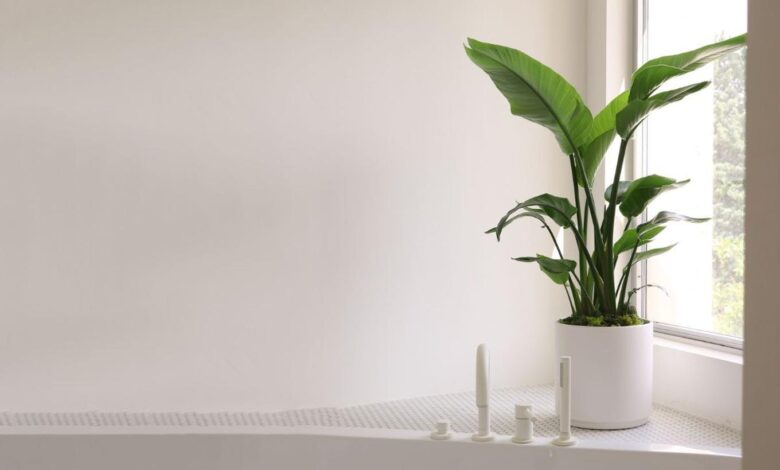
So you want to talk about Bird of Paradise plants? Let’s get down to business! If there’s one houseplant that screams “tropical paradise” and “I have my life together,” it’s the Bird of Paradise. These dramatic beauties with their massive paddle-shaped leaves bring serious jungle vibes to any space.
Strelitzia is that statement plant everyone wants but kinda intimidates people. I get it – they’re BIG, they have specific needs, and getting one to actually bloom indoors feels like winning the plant lottery. But here’s the thing – Bird of Paradise care isn’t as complicated as you’d think, and even without flowers, these architectural plants are absolutely stunning.
What is a Bird of Paradise Plant?
Bird of Paradise plants are evergreen tropical perennials native to South Africa. The name comes from the spectacular flowers that resemble a bird in flight – vibrant orange and blue petals that look almost too perfect to be real. In their native habitat, these plants grow in river valleys and forest clearings where they get plenty of sun and warmth.
There are two main types you’ll encounter as houseplants, and they’re actually different species with different care needs and expectations:
Strelitzia Reginae – The classic Bird of Paradise with orange and blue flowers. This is the smaller, more manageable species that grows 3 to 5 feet tall indoors. It’s what most people picture when they think “Bird of Paradise” and what you’ll typically find at nurseries.
Strelitzia Nicolai (White Bird of Paradise or Giant Bird of Paradise) – Larger species with white and blue flowers. This beast can reach 6 to 10 feet tall indoors and even taller outdoors. The leaves are bigger and the overall plant is more tree-like. It’s become super trendy in interior design lately.
Both species have those iconic banana-like leaves that emerge from a central point. The leaves are large, leathery, and paddle-shaped – giving that tropical, architectural look that makes designers and plant lovers lose their minds.
Here’s something important to know upfront – getting a Bird of Paradise to flower indoors is challenging. These plants need several years of growth (usually 3-5 years minimum), optimal conditions, and honestly, a bit of luck. Most people grow them purely for the foliage, and that’s totally fine. The leaves alone make a massive visual impact.
Light Requirements: Sun Worshippers
Let me be super clear about this – Bird of Paradise plants are sun worshippers. They need BRIGHT light to thrive, and I mean BRIGHT. This is not a plant for that corner across the room from a north-facing window. If you don’t have a very bright spot available, seriously reconsider getting a Bird of Paradise.
Bird of Paradise plants need at least 4 to 6 hours of direct sunlight daily. A south or west-facing window is ideal. I keep my Strelitzia reginae right in front of a south-facing window where it gets direct sun most of the day, and it’s growing like crazy.
In optimal bright light:
- Leaves emerge regularly during growing season
- Growth is compact and healthy
- Leaves maintain their upright, perky posture
- Plant has the best chance of eventual flowering
- Colors stay vibrant and deep green
In insufficient light:
- Growth slows to a crawl or stops
- New leaves are smaller than previous ones
- Plant becomes leggy and stretched
- Leaves may split excessively or look weak
- Zero chance of flowering
Can Bird of Paradise handle some direct sun? They don’t just handle it – they NEED it. Unlike many houseplants that need protection from direct rays, Strelitzias actually want that intense light. In their native South Africa, they grow in full sun conditions.
That said, if your plant has been in lower light, don’t suddenly move it to full blazing sun. Acclimate it gradually over a week or two to prevent leaf burn. But once acclimated, these plants can handle serious sunshine.
I tried growing a Bird of Paradise in medium light once (about 6 feet from an east window), and it barely grew for an entire year. Moved it to a south window and suddenly it was pushing out new leaves every month. Light makes ALL the difference with these plants.
If you live somewhere with mild winters, moving your Bird of Paradise outdoors for summer is amazing for it. They absolutely thrive in outdoor conditions with natural sunlight. Just bring them in before temperatures drop below 50°F (10°C).
Watering: Consistent Moisture Lovers
Bird of Paradise plants like consistent moisture during the growing season but aren’t as fussy about watering as some tropical plants. They’re pretty forgiving and can handle minor watering mistakes without having a total meltdown.
During spring and summer, I water my Bird of Paradise when the top 1 to 2 inches of soil feels dry. This usually works out to once or twice a week, but it really depends on your conditions – light intensity, temperature, humidity, and pot size all affect how quickly soil dries.
When I water, I do it thoroughly until water drains from the bottom. This ensures the entire root system gets hydrated. I let excess water drain completely and always empty the drainage tray – Bird of Paradise plants don’t like sitting in water.
In fall and winter, cut back on watering significantly. The plant’s growth slows down, so it needs less moisture. I usually water every 10 to 14 days during winter months, always checking soil moisture first before watering.
Signs of overwatering:
- Yellow leaves (particularly older, lower leaves)
- Brown spots on leaves that look mushy
- Stems feeling soft or mushy
- Root rot (black, smelly roots)
- Fungus gnats swarming around soil
Signs of underwatering:
- Leaves curling inward or looking crispy
- Brown, dry edges on leaves
- Drooping leaves that perk up after watering
- Soil pulling away from pot edges
- Very slow growth
Bird of Paradise plants have fairly thick roots that store some water, so they can tolerate brief dry periods better than being constantly soggy. If you’re not sure whether to water, wait another day or two.
Water quality matters somewhat for Bird of Paradise. They can be sensitive to fluoride and salts in tap water, which causes brown leaf tips and edges. If you notice this, try:
- Using filtered or distilled water
- Letting tap water sit out for 24 hours before using
- Flushing soil occasionally with plenty of water to remove salt buildup
I use tap water for my Bird of Paradise and it does fine, but I flush the soil every few months by running water through it for several minutes. This washes away accumulated salts and keeps the plant happy.
Soil and Potting: Rich and Well-Draining
Bird of Paradise plants need rich, well-draining soil. They’re not as picky as succulents about drainage, but they definitely don’t want to sit in dense, compacted, soggy soil either.
My ideal Bird of Paradise soil mix:
- 60% quality potting soil
- 20% perlite or pumice
- 10% orchid bark
- 10% compost or worm castings
This mixture provides nutrients from the potting soil and compost, excellent drainage from the perlite, and that slightly chunky texture from orchid bark that prevents compaction. Bird of Paradise roots are thick and fleshy, and they appreciate soil they can easily penetrate.
You can also use a standard houseplant potting mix and add extra perlite for drainage. The key is ensuring water doesn’t sit around roots for extended periods.
Pot selection is important with Bird of Paradise plants. Drainage holes are essential – these plants are susceptible to root rot if drainage is poor.
Bird of Paradise plants actually prefer being slightly rootbound. They bloom more readily when roots are somewhat cramped (though indoor blooming is still challenging regardless). When repotting, only go up 2 inches in diameter.
Pot material: I prefer terracotta or ceramic pots for Bird of Paradise because they’re heavy and provide stability. These plants can get seriously top-heavy as they grow, and a lightweight plastic pot might tip over. If you use plastic, place it inside a heavier decorative pot.
When to repot: Every 2 to 3 years, or when roots are seriously overcrowded and growing out of drainage holes. Spring is the ideal time. Bird of Paradise plants have thick, fleshy roots that can break through plastic pots if extremely rootbound.
I repotted my Strelitzia reginae last spring after it had been in the same pot for 3 years. The roots had formed a solid mass, and the plant was drinking water like crazy. After repotting into fresh soil with slightly more room, growth took off.
One important note – Bird of Paradise plants don’t like their roots disturbed. When repotting, be gentle and try not to break too many roots. A bit of root damage is inevitable, but minimize it as much as possible.
Temperature and Humidity: Tropical Preferences
Bird of Paradise plants are tropical, so they like it warm and humid. But they’re actually pretty adaptable to average home conditions, which is part of what makes them workable as houseplants.
Temperature: Bird of Paradise plants thrive between 65°F to 80°F (18°C to 27°C). They can tolerate temperatures up to 90°F+ (32°C) if they have adequate water and aren’t in direct blasting sun through glass (which can overheat them).
The critical thing is avoiding cold. Below 50°F (10°C), Bird of Paradise plants start suffering. Below 40°F (4°C), you’re risking serious damage or death. These are tropical plants with zero cold tolerance.
Keep Bird of Paradise away from:
- Cold drafts from windows or doors in winter
- Air conditioning blasting directly on them
- Unheated rooms in winter
- Garage or outdoor storage when temps drop
If you move your plant outdoors for summer (which they love), bring it in well before first frost. Don’t wait until the last minute – tropical plants can be damaged by temps that wouldn’t harm hardy plants.
Humidity: Bird of Paradise plants prefer moderate to high humidity (50-60%), but they tolerate average household humidity (30-40%) reasonably well. They’re not as dramatic about humidity as Calatheas or ferns.
Higher humidity helps prevent brown leaf edges and promotes healthier growth. If your home is very dry (especially in winter with heating), consider:
- Running a humidifier nearby
- Grouping plants together
- Placing on a pebble tray with water
- Occasional misting (though this is more for cleaning than humidity)
I don’t do anything special for humidity with my Bird of Paradise, and it’s fine. In winter when my house gets super dry, I sometimes run a humidifier, but honestly, the plant tolerates dry air better than many tropicals.
Brown leaf edges can indicate low humidity, but they can also be caused by water quality issues or underwatering, so don’t automatically assume it’s a humidity problem.
Fertilizing: Feeding These Big Plants
Bird of Paradise plants are moderate feeders. They appreciate regular fertilization during the growing season because they’re putting out those large leaves and need nutrients to support that growth.
I fertilize my Bird of Paradise every 2 to 3 weeks during spring and summer using a balanced liquid fertilizer diluted to half strength. I use a 20-20-20 NPK formula, which provides equal amounts of nitrogen (for foliage), phosphorus (for roots and flowers), and potassium (for overall health).
Some people use fertilizers higher in phosphorus to encourage flowering, but honestly, for indoor plants, I stick with balanced fertilizer. Indoor flowering is challenging regardless of fertilizer.
During fall and winter, I reduce fertilizing to once a month or stop completely. Growth slows significantly in shorter, darker days, so the plant doesn’t need as much nutrition.
Fertilizing tips for Bird of Paradise:
- Always fertilize after watering, never on dry soil
- Dilute to half strength to prevent fertilizer burn
- Flush soil with plain water every few months to remove salt buildup
- Organic options like worm castings or compost tea work great
- More fertilizer does NOT mean more growth or flowering – don’t overdo it
Signs of over-fertilizing:
- Brown, crispy leaf tips and edges
- White crusty buildup on soil surface
- Salt deposits on pot rim
- Stunted growth (ironically)
Signs of under-fertilizing:
- Pale, yellowish leaves (if watering is correct)
- Very slow growth during growing season
- Small new leaves
- Overall lackluster appearance
If you see signs of over-fertilizing, flush the soil thoroughly by running water through it for several minutes to wash away excess salts. Then skip fertilizing for 6 to 8 weeks.
I’ve found Bird of Paradise plants pretty forgiving with fertilizer. Missing a feeding or two doesn’t seem to faze them, but consistent feeding during active growth definitely produces better results.
Pruning and Maintenance: Keeping Things Tidy
Bird of Paradise plants don’t need much pruning, but regular maintenance keeps them looking their best and prevents pest issues.
What to prune:
- Dead or dying leaves (yellow or brown)
- Damaged leaves (torn, broken, or diseased)
- Lower leaves that naturally age and die
- Spent flower stalks (if you’re lucky enough to get flowers)
How to prune: Use clean, sharp scissors or pruning shears. Cut leaves as close to the base as possible without damaging the main plant or surrounding leaves. For flower stalks, cut at the base once flowers have faded.
Bird of Paradise leaves naturally split as the plant grows. This is NORMAL and actually helps the plant withstand wind in nature. Don’t freak out if leaves develop splits – it’s not damage, it’s a natural characteristic. The splits give the leaves that iconic tropical look.
However, excessive splitting or tearing can indicate:
- Physical damage from bumping or rough handling
- Very low humidity
- Underwatering
- Natural aging (older leaves split more)
I prune my Bird of Paradise maybe twice a year, removing any leaves that have yellowed or look ratty. The plant naturally drops older lower leaves as it grows, so there’s always some maintenance involved.
Leaf cleaning is important with Bird of Paradise. Those large leaves collect dust like crazy, and dust blocks light. Every few weeks, I wipe down leaves with a damp cloth or sponge. I support the leaf from underneath with one hand while wiping with the other to avoid bending or breaking.
This regular cleaning:
- Removes dust that reduces photosynthesis
- Lets me inspect for pests
- Makes the plant look fresh and vibrant
- Shows off those gorgeous glossy leaves
Never use leaf shine products. They clog leaf pores and can cause more harm than good. Plain water on a soft cloth is perfect.
For a deeper clean, you can shower your Bird of Paradise. I do this every few months – bring it to the bathtub or shower and rinse foliage with lukewarm water. Let it drain completely before returning to its spot.
Propagating Bird of Paradise: Division Only
Bird of Paradise plants can’t be propagated from cuttings like many houseplants. The only way to propagate them is through division, which means separating the plant into smaller sections.
When to divide: Spring is ideal, preferably when you’re already repotting. The plant is entering active growth and will recover from division stress more quickly.
How to divide Bird of Paradise:
Step 1: Remove the plant from its pot. This can be challenging with larger plants – you might need help or need to break the pot if it’s seriously rootbound.
Step 2: Gently remove excess soil so you can see the root system and identify natural separation points. Bird of Paradise plants grow from rhizomes, and you’ll see where distinct clumps form.
Step 3: Using a clean, sharp knife or your hands (if possible), separate the plant into sections. Each division should have at least 3 to 5 stems with roots attached. Smaller divisions take longer to recover and look full again.
Step 4: Plant each division in its own pot with fresh soil. Water thoroughly and place in bright indirect light (not full sun immediately – they need a bit of recovery time).
Step 5: Keep soil consistently moist for the first few weeks while roots establish. The divisions will look stressed initially – this is normal. Be patient.
I divided a large Strelitzia reginae that had gotten massive and unmanageable. Created three divisions from one plant. They all looked pretty sad for about a month, then bounced back and are now thriving individual plants.
Important notes about division:
- Only divide healthy, established plants (at least 3-4 years old)
- Don’t divide plants that are already stressed
- Divisions need extra care initially – consistent moisture, protection from intense sun, patience
- It can take 6 months to a year for divisions to look full and established again
- Dividing delays flowering significantly (adds years before they’ll bloom)
Bird of Paradise propagation through division is straightforward but requires patience. These are slow-growing plants, and divisions take time to recover and fill out.
Getting Bird of Paradise to Flower Indoors
Let’s address the elephant in the room – flowering. Everyone wants those spectacular orange and blue blooms, but indoor flowering is legitimately challenging. I’m going to be real with you about what it takes.
Requirements for flowering:
Mature plant – Bird of Paradise needs to be at least 3 to 5 years old before it’s mature enough to flower. Some plants take even longer. Young plants simply won’t bloom regardless of care.
Optimal light – This is THE most critical factor. Plants need intense, direct sunlight for many hours daily. Without this, flowering won’t happen. Period.
Proper care – Consistent watering, regular fertilizing, appropriate temperature. A stressed plant won’t bloom.
Rootbound condition – Bird of Paradise flowers more readily when slightly rootbound. Don’t repot too frequently if you want blooms.
Patience and luck – Even with perfect conditions, some plants bloom readily while others never do. There’s individual plant variation that we can’t control.
Size matters – Larger plants are more likely to bloom. A small 2-foot plant probably won’t flower, but a mature 4-5 foot plant has better odds.
Here’s the truth – most people growing Bird of Paradise indoors never see flowers. The plants simply don’t get enough light indoors to trigger blooming. If you live somewhere you can keep your plant outdoors year-round or for extended periods, your chances improve dramatically.
I’ve had my Strelitzia reginae for 5 years and it’s never bloomed. Do I care? Not really. The foliage is stunning enough on its own. I view potential flowers as a bonus, not an expectation.
If you’re buying a Bird of Paradise specifically for flowers, you’ll likely be disappointed. Buy it for those gorgeous architectural leaves, and if flowers happen someday, consider it a wonderful surprise.
Common Problems and Solutions
Bird of Paradise plants are pretty resilient, but issues do pop up. Here’s how to troubleshoot:
Brown Leaf Tips and Edges
Super common issue. Causes include:
- Low humidity (most common)
- Water quality (fluoride/chlorine in tap water)
- Over-fertilizing (salt buildup)
- Underwatering
- Natural aging of older leaves
Solution: Increase humidity if home is very dry, switch to filtered water, flush soil to remove salts, ensure consistent watering, trim brown edges for appearance.
Yellow Leaves
Lower leaves yellowing and dying:
- Natural aging (normal if only occasional older leaves)
- Overwatering (most common if multiple leaves yellowing)
- Underwatering (leaves yellow then crisp up)
- Insufficient light (causes overall pale, yellowing appearance)
Solution: Adjust watering routine, ensure proper drainage, move to brighter location if needed.
Split or Torn Leaves
Leaves developing splits:
- Natural characteristic (totally normal!)
- Low humidity (excessive splitting)
- Physical damage from bumping or handling
- Wind damage if kept outdoors
Solution: This is mostly normal. Increase humidity if splits seem excessive. Handle plant carefully to avoid physical damage.
Curling Leaves
Leaves curling inward:
- Underwatering (most common)
- Low humidity
- Root damage
- Temperature stress
Solution: Check soil moisture and water if dry, increase humidity, ensure stable temperatures.
No New Growth
During growing season, if plant isn’t producing new leaves:
- Insufficient light (most common)
- Lack of nutrients
- Rootbound (severely)
- Temperature too cool
- Dormancy (normal in winter)
Solution: Move to brighter location, fertilize during growing season, repot if extremely rootbound, ensure warm temperatures.
Stunted or Small New Leaves
New leaves emerging smaller than previous ones:
- Insufficient light (most common cause)
- Lack of nutrients
- Root issues
- Water stress
Solution: Increase light significantly, fertilize regularly during growing season, ensure proper watering.
Orange Staining on Leaves
Rust-colored spots or staining:
- Natural sap/resin the plant produces (common on new growth)
- Old leaf sheaths leaving residue
- Sometimes mistaken for pests
Solution: Wipe off with damp cloth. This is usually harmless and cosmetic.
Pests: Mostly Trouble-Free
Bird of Paradise plants are relatively pest-resistant, but they can occasionally attract unwanted visitors, especially when stressed or when indoor air is very dry.
Spider Mites
Tiny pests causing stippled yellow leaves and fine webbing. More common in dry conditions.
Treatment: Spray plant thoroughly with water to dislodge mites, increase humidity, treat with insecticidal soap or neem oil every 5-7 days for 3 weeks.
Scale Insects
Brown bumps on stems and undersides of leaves. They suck plant sap and weaken the plant.
Treatment: Scrape off with your fingernail or soft brush, spray with insecticidal soap or neem oil, check regularly because these are persistent.
Mealybugs
White cottony pests in leaf crevices and where leaves meet stems.
Treatment: Dab individual bugs with rubbing alcohol on a cotton swab, spray with insecticidal soap or neem oil, repeat weekly for several weeks.
Fungus Gnats
Small flying bugs around soil. Attracted to moist soil.
Treatment: Let soil dry more between waterings, use yellow sticky traps for adults, drench soil with diluted hydrogen peroxide or BTI solution to kill larvae.
Prevention strategies:
- Inspect plant regularly while cleaning leaves
- Quarantine new plants for 2 weeks
- Keep leaves clean
- Provide adequate humidity (prevents spider mites)
- Don’t overwater (prevents fungus gnats)
- Isolate any infested plants immediately
I’ve had my Bird of Paradise for years and never dealt with pests. These plants just aren’t common targets. Healthy, well-cared-for plants are naturally more pest-resistant.
Bird of Paradise Care: Quick Reference Guide
Light: Bright light with 4-6 hours of direct sun daily. South or west-facing window ideal. More sun = better growth and flowering potential.
Water: When top 1-2 inches of soil is dry. Water thoroughly until it drains. Every 5-7 days in summer, every 10-14 days in winter.
Soil: Rich, well-draining mix. Standard potting soil with added perlite and bark. Ensure good drainage.
Temperature: 65-80°F (18-27°C) ideal. Minimum 50°F (10°C). No cold tolerance – keep away from drafts and cold windows.
Humidity: 50-60% preferred but tolerates average home humidity (30-40%). Increase humidity if leaf edges brown excessively.
Fertilizer: Balanced liquid fertilizer at half strength every 2-3 weeks during spring/summer. Reduce or stop in fall/winter.
Pruning: Remove dead or damaged leaves. Cut at base with clean shears. Leaf splitting is normal – don’t remove split leaves.
Repotting: Every 2-3 years in spring. Prefers being slightly rootbound. Use heavy pot for stability.
Propagation: Division only. Separate plant into sections with 3-5 stems each. Best done in spring during repotting.
Flowering: Extremely challenging indoors. Requires mature plant (3-5+ years), intense direct sun, optimal care, and luck. Don’t expect flowers.
Toxicity: Mildly toxic to pets and humans if ingested. Can cause mouth irritation and digestive upset. Keep away from curious pets.
Growth Rate: Slow to moderate. Expect 1-3 new leaves during growing season with optimal care. Large plants take years to develop.
Common Issues: Brown leaf tips (humidity/water quality), yellow leaves (overwatering), no growth (insufficient light).
Final Thoughts: Bird of Paradise Success
Bird of Paradise plants are absolutely worth growing for their stunning architectural foliage alone. Yeah, indoor flowering is rare, but honestly, those massive glossy leaves bring enough drama and tropical vibes to justify the space they take up.
The key to Bird of Paradise success is providing adequate light. Everything else – watering, humidity, temperature – is manageable and pretty forgiving. But without that intense, direct sunlight, these plants struggle. If you have a bright, sunny spot available, go for it. If not, choose a different plant.
These aren’t beginner plants, but they’re not as difficult as their reputation suggests either. They need attention and care but aren’t as fussy as Calatheas or as dramatic as fiddle leaf figs. Water when needed, fertilize regularly during growing season, give them tons of light, and be patient with growth.
I love that Bird of Paradise plants have that “wow factor” presence. They’re statement plants that anchor a room and create instant impact. One large, healthy Bird of Paradise is worth more aesthetically than a dozen smaller plants.
If you’re ready for a substantial, slow-growing, dramatic tropical plant that requires a seriously bright location and several years of patience before reaching its full potential, Bird of Paradise is calling your name. Just adjust your expectations about flowering, appreciate the stunning foliage for what it is, and enjoy the journey of growing these magnificent plants.
Now go find yourself a bright south-facing window, invest in a Bird of Paradise, and watch it slowly transform into that showstopping tropical specimen you’ve been dreaming about.
Happy planting!