So you want to talk about String of Pearls? Let’s get down to business! This quirky succulent with its cascading strands of bead-like leaves is basically the plant world’s version of living jewelry. When thriving, Senecio rowleyanus creates this gorgeous waterfall effect that looks like someone strung together hundreds of perfect little green pearls.
But here’s the thing – String of Pearls has a reputation for being finicky. And honestly? It’s somewhat earned. These plants can go from thriving to dying seemingly overnight if conditions aren’t right. The good news? Once you understand what they need, String of Pearls isn’t actually that difficult. It’s just very specific about its preferences.
What is String of Pearls?
String of Pearls (Senecio rowleyanus) is a succulent vine native to the dry regions of southwest Africa. In its natural habitat, this plant grows along the ground as a creeping groundcover, with those distinctive pearl-like leaves trailing across rocky, well-drained soil.
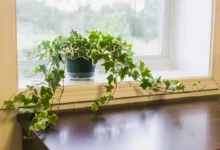

The common name comes from those unique spherical leaves that look like tiny peas or pearls strung on thin stems. Each “pearl” is actually a modified leaf designed to store water – this adaptation allows the plant to survive in arid conditions where water is scarce.
Growth Characteristics and Behavior
String of Pearls grows quickly under proper conditions, with strands that can reach 2 to 3 feet long or even longer. The plant spreads horizontally in nature but cascades beautifully when grown in hanging baskets, which is how most people display it indoors.
Those spherical leaves aren’t just cute – they’re functional. The round shape minimizes surface area exposed to sun, reducing water loss through evaporation. Each pearl has a small translucent “window” that allows light to penetrate for photosynthesis. Pretty genius adaptation, right?
Flowering and Special Features
Under the right conditions, String of Pearls produces small white flowers that smell like cinnamon. Indoor flowering is possible but less common. Even without flowers, those cascading pearl strands make a stunning visual statement.
String of Pearls is mildly toxic to pets and humans if ingested. The plant contains compounds that can cause stomach upset, vomiting, and diarrhea. Keep it out of reach of curious cats, dogs, and children who might be tempted to play with those enticing bead-like leaves.
Light Requirements: Bright and Abundant
Lighting is absolutely critical for String of Pearls care. Get this wrong and your plant will stretch, thin out, or just slowly decline. These succulents need lots of bright light to maintain those plump, healthy pearls.
Optimal Light Conditions
String of Pearls thrives in bright, indirect light with some direct sun. A south or west-facing window is ideal. I keep mine right near a south-facing window where it gets several hours of direct morning sun and bright indirect light the rest of the day.
The best lighting includes bright, indirect light for most of the day, 2 to 4 hours of direct morning or late afternoon sun, south or west-facing windows, and east-facing windows that are very bright. Avoid intense midday sun through glass, which can scorch.
Signs of Proper Lighting
In optimal light, pearls are plump and round with tight spacing between leaves on the stems. The plant maintains compact, healthy growth with vibrant green color and strands looking full and lush.
Too Much Sun
Excessive direct sun causes pearls to shrivel or wrinkle, brown or bleached patches on leaves, and an overall stressed appearance. The plant may look sunburned or dried out.
Insufficient Light
Too little light results in leggy, stretched stems with large gaps between pearls (etiolation). Pearls become elongated instead of round, strands look sparse and thin, and the plant loses that compact, full appearance.
Common Light Mistakes
The most common mistake is growing String of Pearls in insufficient light. People see “indirect light” in care guides and assume medium light is fine. String of Pearls needs BRIGHT indirect light – much more than average houseplants.
I tried growing String of Pearls about 6 feet from an east window once. Within two months, the strands had stretched out with huge gaps between pearls and looked terrible. Moved it to a south window and new growth came in perfectly compact.
Acclimating to Direct Sun
If your String of Pearls has been in lower light, don’t suddenly move it to full sun. Gradually acclimate it over 2 to 3 weeks by increasing sun exposure a bit each day. Once acclimated, it can handle quite a bit of direct sun.
Growing Under Artificial Light
Grow lights work well for String of Pearls if you don’t have ideal natural light. Use full-spectrum LEDs positioned 6 to 12 inches above the plant and run them for 12 to 14 hours daily. I’ve seen beautiful String of Pearls grown entirely under artificial lighting.
Watering: Less is Definitely More
Watering is where most people kill their String of Pearls. These are succulents that store water in those pearl-like leaves. Overwatering kills them faster than almost anything else.
Watering Frequency and Method
String of Pearls needs deep but infrequent watering. I water mine when the pearls start feeling slightly soft or wrinkled – this indicates the plant is using its stored water. During growing season (spring and summer), this usually means watering every 2 to 3 weeks. In fall and winter, once a month or even less.
When you water, drench the soil thoroughly until water runs out the drainage holes. Let it drain completely, then don’t water again until the pearls show signs of thirst.
The Wrinkle Test
The best way to know when to water is the “wrinkle test.” Gently squeeze a few pearls between your fingers. If they feel firm and plump, don’t water. If they feel soft or look slightly wrinkled, it’s time to water. This method is way more reliable than checking soil moisture.
Overwatering Dangers
Overwatering is serious with String of Pearls and acts fast. Signs include mushy, translucent pearls that pop when touched, pearls turning yellow or brown, stems becoming soft and mushy, root rot with black, slimy roots, and that gross rotting smell.
Here’s the brutal truth – overwatered String of Pearls usually can’t be saved. Root rot spreads quickly, and once stems start rotting, it’s game over. Prevention is way easier than cure.
Understanding Underwatering
Underwatering is less common and less serious. Signs include wrinkled, deflated pearls, pearls feeling soft instead of firm, strands looking limp, and soil completely dry throughout. The good news? Underwatered String of Pearls bounces back quickly after a good watering.
Seasonal Watering Adjustments
String of Pearls has a semi-dormant period in winter when growth slows. Water way less during this time – maybe once every 4 to 6 weeks or when pearls show thirst. The plant needs very little moisture when not actively growing.
I nearly killed my first String of Pearls by watering it like a tropical plant. Within a few weeks, half the strands had rotted. Learned my lesson – these succulents need way less water than you think.
Water Quality Considerations
Water quality isn’t super critical for String of Pearls. Tap water works fine. Unlike some houseplants, these succulents aren’t particularly sensitive to minerals or chlorine in tap water.
Soil and Potting: Fast Drainage is Everything
String of Pearls needs extremely well-draining soil. Standard potting soil is absolutely wrong – it holds too much moisture and will lead to root rot.
Best Soil Mix for Success
Use cactus/succulent potting mix or make your own. My String of Pearls soil recipe includes 60% cactus/succulent mix, 30% perlite or pumice, and 10% coarse sand.
This mixture drains incredibly fast while providing minimal moisture retention – exactly what String of Pearls needs. The soil should dry out completely within a few days of watering.
Alternative Soil Options
You can also use equal parts cactus mix and perlite, regular potting soil with 50% added perlite and sand, or pre-made succulent mix with extra drainage amendments added. Whatever you use, it should be very chunky and drain almost immediately.
Choosing the Right Container
Drainage holes are absolutely non-negotiable. No drainage equals dead String of Pearls eventually. I don’t care how cute that pot is – if it doesn’t have drainage holes, don’t use it for this plant.
Pot Material Matters
Terracotta pots are perfect for String of Pearls because they’re porous and allow soil to dry out faster. Plastic works too but retains moisture longer, so adjust watering accordingly. Glazed ceramic is fine as long as it has drainage holes.
Pot Size Considerations
Size matters with String of Pearls. These plants prefer being slightly rootbound and actually do better in pots that seem small for their size. When repotting, only go up 1 inch in diameter. Oversized pots hold too much moisture and dramatically increase rot risk.
Shallow pots work better than deep pots for String of Pearls. These plants have relatively shallow root systems, so a wide, shallow pot is more appropriate than a tall, narrow one.
When to Repot
Repot every 2 to 3 years in spring, or when the plant becomes extremely rootbound. String of Pearls doesn’t need frequent repotting – they tolerate being rootbound well. Only repot when truly necessary.
I have a String of Pearls that’s been in the same pot for 3 years. It’s definitely rootbound but thriving. These plants genuinely don’t mind cramped quarters.
Temperature and Humidity: Desert Dwellers
String of Pearls is adapted to warm, dry conditions. Temperature and humidity requirements reflect this desert heritage.
Ideal Temperature Range
String of Pearls thrives between 70-80°F (21-27°C) during growing season. Plants can tolerate temperatures up to 90°F+ (32°C) without issues, especially with good air circulation.
Cold Tolerance
Minimum temperature tolerance is around 50°F (10°C). Below this, growth stops and the plant becomes stressed. Below 40°F (4°C), you’re risking serious damage or death. These are frost-tender succulents with zero cold tolerance.
Temperature Hazards
Keep String of Pearls away from cold drafts from windows or doors, air conditioning vents blasting cold air, unheated rooms in winter, and any temperature extremes or rapid changes. Consistent warmth is important for healthy growth.
Winter dormancy occurs naturally when temperatures drop and daylight decreases. During this period (typically November through February), growth slows significantly. Reduce watering and don’t fertilize during dormancy.
Humidity Preferences
Here’s the great news – String of Pearls loves low humidity. Average home humidity (30-40%) is perfect. High humidity can actually be problematic because it keeps soil moist longer and can promote rot.
You don’t need humidifiers, pebble trays, or any special humidity measures. String of Pearls thrives in the dry air that kills other houseplants. This makes them perfect for homes with dry climates or during winter when heating dries out the air.
I keep my String of Pearls in the driest room of my house (around 25-30% humidity) and it’s the happiest plant I own. Low humidity is actually beneficial for these succulents.
Fertilizing: Light Feeding Only
String of Pearls is not a heavy feeder. In nature, it grows in nutrient-poor soil, so it’s adapted to minimal nutrition. Light, infrequent feeding is all it needs.
Fertilizing Schedule
I fertilize my String of Pearls once in spring and once in early summer using a balanced liquid fertilizer diluted to half strength. That’s it – twice per year. Some people fertilize monthly during growing season at quarter strength, which also works.
Use a balanced fertilizer like 10-10-10 or 20-20-20. The even NPK ratio gives the plant everything it needs without pushing excessive growth that can make strands heavy and prone to breaking.
Seasonal Fertilizing
During fall and winter, don’t fertilize at all. The plant is semi-dormant and doesn’t need food during this period. Resume fertilizing in spring when active growth restarts.
Signs of Fertilizer Issues
Over-fertilizing shows up as excessive soft growth, weak strands that break easily, salt buildup on soil surface (white crust), and burned or damaged roots. Less is definitely more with String of Pearls fertilizer.
Under-fertilizing causes slow growth (though these plants grow slowly naturally), pale pearls, and lack of vigor. Honestly though, String of Pearls does fine with minimal or even no fertilization.
Organic Fertilizer Options
If you prefer organic options, worm castings worked into the top layer of soil once or twice a year provides gentle, slow-release nutrition. Diluted compost tea also works well.
String of Pearls are so low-maintenance with fertilizing that I sometimes forget completely, and they still thrive. These plants really don’t need much food.
Pruning and Maintenance: Encouraging Fuller Growth
String of Pearls doesn’t require much pruning, but strategic trimming encourages bushier, fuller growth and removes any damaged strands.
What and When to Prune
Prune dead or dying strands, leggy stems with large gaps between pearls, broken or damaged sections, and strands that have become too long and heavy. Spring or early summer is the ideal time for pruning when the plant is actively growing and will recover quickly.
Pruning Technique
Use clean, sharp scissors to make cuts. Cut just above a node (where pearls attach to the stem) – this is where new growth will emerge. Cutting back leggy strands encourages branching and creates fuller growth.
Encouraging Bushier Growth
To create a fuller, bushier plant, prune longer strands back by a few inches. The plant responds by producing multiple new strands from below the cut. This is how you transform a sparse String of Pearls into a lush, full specimen.
I prune my String of Pearls once or twice a year, cutting back the longest strands to encourage fullness at the top of the pot. Without this, strands get very long but the top of the plant looks sparse.
Propagating Your Cuttings
Don’t throw away those pruned strands! String of Pearls is incredibly easy to propagate. Those cuttings can become new plants or be used to fill in sparse areas in the original pot.
Cleaning and General Care
Dust isn’t usually a problem with String of Pearls because the pearls are small and smooth. Occasionally inspect the plant for dead pearls or stems and remove them to maintain appearance and prevent pest issues.
Handle strands gently – they’re more delicate than they look. The pearls can pop off stems easily if handled roughly or if the plant is underwatered.
Propagating String of Pearls: Super Easy
String of Pearls propagation is ridiculously easy. These plants root quickly and readily, making it simple to create new plants or fill in sparse growth.
Stem Cutting Method
This is the most popular and reliable method. Take 3 to 5 inch stem cuttings that include multiple pearls. Let cuttings dry for a few hours to a day until the cut end callouses over – this prevents rot.
Once calloused, you have two options: lay cuttings on top of soil and lightly press some of the pearls into the soil, or remove the bottom few pearls and bury that section of stem in soil.
Keep soil lightly moist (not soggy) for the first 2 to 3 weeks while roots develop. Place in bright, indirect light. After 3 to 4 weeks, roots should be established and you can treat it like a mature plant.
Water Propagation Option
You can also root String of Pearls in water. Remove the bottom pearls, place the stem in a jar with just enough water to cover the nodes (where pearls were removed), and change water every few days.
Roots develop within 1 to 2 weeks in water. Once roots are about an inch long, transfer to soil. Keep soil slightly moist for the first week while the plant adjusts from water to soil.
Filling in Sparse Growth
Use propagation to fill in the top of an existing pot. Take cuttings and lay them on top of the soil, anchoring them with bobby pins or small stakes. They’ll root where they touch soil, creating fuller growth at the crown.
This technique transformed my sparse String of Pearls into a lush, full plant. I propagated cuttings directly on top of the mother plant and within two months, it looked completely different.
Best Practices for Success
Spring and summer have highest success rates when the plant is actively growing. Use healthy, plump strands for cuttings – not stressed or shriveled ones. Multiple cuttings in one pot create a fuller appearance faster, and patience is key as establishment takes 4 to 6 weeks.
I’ve propagated dozens of String of Pearls and rarely have failures. These plants are almost foolproof to propagate if you follow the basic steps.
Common Problems and How to Fix Them
String of Pearls will clearly communicate when something’s wrong. Here’s how to identify and solve the most common issues.
Mushy, Translucent Pearls
This is overwatering and it’s serious. Mushy pearls that pop when touched indicate root rot. Action needed: stop watering immediately, check roots and cut away any black, mushy sections, repot in fresh dry soil, and water way less frequently going forward.
Prevention is easier than cure with rot. Once it starts, it’s hard to save the plant.
Shriveled, Wrinkled Pearls
Pearls looking deflated or wrinkled indicate underwatering or too much direct sun causing dehydration.
Solution: water thoroughly and pearls will plump back up within 24 hours. If caused by sun, move to slightly less intense light.
Leggy, Sparse Strands
Large gaps between pearls on stems indicate insufficient light. Pearls become elongated instead of round, and strands look thin and stretched.
Solution: move to much brighter location with more direct sun. Prune leggy sections and wait for new, compact growth. This won’t fix existing leggy strands, but new growth will be better.
Pearls Dropping Off
Healthy-looking pearls falling off stems easily suggest underwatering (pearls get brittle when dry), rough handling, or natural shedding (some loss is normal).
Solution: maintain consistent watering, handle plant gently, and don’t worry about occasional pearl drop.
Yellow or Brown Pearls
Discolored pearls indicate overwatering (yellow, mushy pearls), sunburn (brown, crispy patches), or natural aging of lower pearls (normal if only a few).
Solution: adjust watering routine, move away from intense direct sun, and remove dead pearls.
Strands Dying from Tips
Tips of strands dying back while base is healthy suggests severe underwatering previously, cold damage, or root issues affecting water uptake.
Solution: prune dead sections, address watering or temperature issues, and check roots for problems.
No New Growth
During growing season with no visible growth, look for insufficient light (most common), lack of nutrients, extreme root binding, or too cool temperature.
Solution: move to brighter location, fertilize lightly, repot if severely rootbound, and ensure adequate warmth.
Plant Looking Generally Unhealthy
Overall decline with no specific symptoms often means overwatering (most common), root rot, pest infestation, or severe light deficiency.
Solution: check roots, adjust care routine, inspect for pests, and reassess growing conditions.
Pests: Rare but Troublesome
String of Pearls is relatively pest-resistant, but problems can occur, especially when plants are stressed.
Mealybugs
White cottony pests that hide between pearls and at stem joints. These are the most common pest on String of Pearls.
Treatment: dab individual bugs with rubbing alcohol on a cotton swab, spray with insecticidal soap or neem oil, and repeat weekly for several weeks. Isolate infected plants immediately.
Aphids
Small soft-bodied insects on new growth and stems. Less common but possible.
Treatment: rinse off with water spray, treat with insecticidal soap, and check regularly for recurrence.
Spider Mites
Tiny pests causing stippled damage and fine webbing. More common in hot, dry conditions.
Treatment: spray plant thoroughly with water, increase humidity slightly (but not too much), and treat with insecticidal soap or neem oil every 5-7 days for 3 weeks.
Fungus Gnats
Small flying bugs around soil, attracted to moisture. Larvae damage roots.
Treatment: let soil dry more between waterings (this usually solves the problem), use yellow sticky traps for adults, and drench soil with diluted hydrogen peroxide if severe.
Prevention Strategies
Healthy, properly cared-for String of Pearls are naturally pest-resistant. Regular inspection catches problems early, new plants should be quarantined for 2 weeks, avoid overwatering (stressed plants attract pests), and good air circulation helps prevent issues.
I’ve grown String of Pearls for years and rarely deal with pests. Proper care creates naturally resistant plants.
String of Pearls Care: Quick Reference Guide
Light: Bright, indirect light with some direct sun. South or west-facing windows ideal. 2-4 hours of direct morning/evening sun. More light = healthier plant.
Water: Deep but infrequent. Water when pearls feel soft or look wrinkled. Every 2-3 weeks in summer, monthly or less in winter. Let soil dry completely between waterings.
Soil: Fast-draining cactus/succulent mix with extra perlite. Must drain almost immediately. Never use standard potting soil alone.
Temperature: 70-80°F (21-27°C) ideal. Minimum 50°F (10°C). No cold tolerance. Keep warm year-round.
Humidity: Low humidity preferred (30-40%). Average home humidity perfect. High humidity can cause problems.
Fertilizer: Balanced liquid fertilizer at half strength once in spring, once in early summer. That’s it. Don’t fertilize in fall/winter.
Pruning: Prune leggy strands and dead sections. Cut above nodes. Prune to encourage bushier growth at crown.
Repotting: Every 2-3 years in spring. Prefers being rootbound. Shallow pots better than deep ones. Only go up 1 inch in size.
Propagation: Stem cuttings. Let callous, then lay on soil or plant nodes in soil. Roots in 3-4 weeks. Extremely easy.
Toxicity: Mildly toxic to pets and humans if ingested. Causes stomach upset. Keep away from curious pets and children.
Growth Rate: Moderate to fast with proper care. Strands can grow several inches per month during growing season.
Common Issues: Mushy pearls (overwatering), leggy growth (insufficient light), shriveled pearls (underwatering), rot (too much water).
Final Thoughts: String of Pearls Success
String of Pearls is absolutely worth growing for anyone who can provide bright light and resist the urge to overwater. When happy, these plants create that stunning cascading effect that’s instantly recognizable and utterly gorgeous.
Bright light and infrequent watering are the keys to success. Everything else is manageable, but these two factors make or break String of Pearls care. Give them a sunny window and let them dry out between waterings, and you’re 90% of the way to success.
These aren’t beginner plants exactly, but they’re not as difficult as their reputation suggests. The main challenge is overcoming the instinct to water them like regular houseplants. Once you accept that succulents need way less water, String of Pearls becomes much easier.
I love that String of Pearls clearly shows when it’s happy or unhappy. Plump, compact pearls with tight spacing mean you’re doing it right. Leggy, wrinkled, or mushy pearls mean adjustments are needed. The feedback is immediate and obvious.
If you have a bright, sunny window and can commit to hands-off, infrequent watering, String of Pearls is an excellent choice. The unique appearance alone makes it a conversation starter, and watching those strands cascade and grow is incredibly satisfying.
The first time you successfully propagate String of Pearls or see new growth emerging with perfectly round, plump pearls, you’ll understand why people love these quirky succulents. That living jewelry effect is worth the learning curve.
Now go find a sunny south-facing window, grab some well-draining soil, and bring home a String of Pearls. Water sparingly, provide tons of light, and watch those pearl-like leaves cascade beautifully while staying plump and healthy.
Happy planting!
SEO Components
Title: String of Pearls Care Guide: How to Grow Senecio Rowleyanus Successfully
Slug URL:
Meta Description:
Focus Keyphrase:
Hero Image Alt Text: