My philodendron collection started with one plant. A simple heartleaf philodendron from the grocery store. I put it on a shelf and mostly ignored it.
Six months later, the vines had reached the floor. They were climbing the wall. Wrapping around nearby furniture. The plant was thriving on complete neglect.
That’s when I got hooked. I bought a Brasil. Then a Micans. Then a Pink Princess that cost more than I’d like to admit. Soon I had fifteen different varieties. All growing like weeds with minimal care.
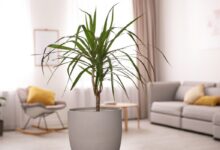
Here’s what I learned. Philodendrons are among the easiest houseplants you can grow. They tolerate low light. Forgive forgotten waterings. Propagate effortlessly. And they come in stunning varieties. From trailing vines to massive climbing specimens.
The name Philodendron means “tree lover” in Greek. These plants naturally climb trees in tropical rainforests. Some trail along the ground. Others climb 20 feet up trunks. This diversity means there’s a perfect philodendron for every space.
This guide covers care for all philodendron types. You’ll learn the basics that apply to every variety. Plus specific tips for climbing versus trailing types. And detailed profiles of popular varieties.
Understanding Philodendrons
Let’s start with what makes these plants special. Understanding their nature helps you care for them better.
The Philodendron Family
Philodendrons belong to the Araceae family. This includes Pothos, Monsteras, and Peace Lilies. Native to Central and South America, they grow in tropical rainforests.
There are over 450 species. Plus countless cultivars and hybrids. Some are common and affordable. Others are rare and expensive.
Two Main Growth Types
Philodendrons grow in two distinct patterns:
Climbing philodendrons: These grow upward in nature. They use aerial roots to climb trees. Examples: Philodendron Brasil, Pink Princess, Birkin.
Self-heading (non-climbing): These grow from a central point. They don’t climb or trail. Examples: Philodendron Selloum, Xanadu, Congo.
Understanding your plant’s growth type determines its care needs.
Why They’re So Popular
Several factors explain their popularity:
- Extremely adaptable to indoor conditions
- Tolerate low light better than most plants
- Fast-growing and forgiving
- Easy to propagate
- Gorgeous foliage in endless varieties
- Rarely get pests or diseases
- Air-purifying qualities
Growth Rate
Most philodendrons grow quickly. Especially trailing types. You’ll see new leaves weekly during growing season. Some varieties put out multiple leaves simultaneously.
This fast growth is exciting. But it also means regular pruning. And occasional repotting.
Universal Care Requirements
These fundamentals apply to all philodendron types. Master these basics first.
Light Requirements
Philodendrons adapt to various light levels. But they have preferences.
Low light: They survive but grow slowly. Coloration may fade. New leaves emerge smaller.
Medium indirect light: This is perfect. Steady growth. Vibrant colors. Healthy development.
Bright indirect light: Also excellent. Faster growth. More vibrant variegation in colorful varieties.
Direct sun: Avoid this. Burns leaves quickly. Causes brown, crispy patches.
Ideal placement:
- 3-8 feet from bright windows
- North or east-facing windows
- Behind sheer curtains
- Rooms with consistent ambient light
Variegated varieties need more light. Pink Princess, Brasil, and Birkin need brighter conditions. To maintain their patterns and colors.
Watering Schedule
Philodendrons like consistent moisture. But not soggy soil. Find the balance.
How to know when to water: Insert finger 1-2 inches into soil. Water when this top layer feels dry. The soil below can still be slightly moist.
For most homes:
- Spring/Summer: Every 5-7 days
- Fall/Winter: Every 10-14 days
Always check soil first. Never water on a fixed schedule.
Proper watering technique:
- Water thoroughly until drainage flows
- Let excess drain completely (10 minutes)
- Empty saucer so plant doesn’t sit in water
- Use room-temperature water
Signs of watering problems:
Overwatering:
- Yellow leaves
- Soft, mushy stems
- Root rot
- Soil stays wet for days
Underwatering:
- Drooping leaves
- Brown, crispy edges
- Leaves curling inward
- Soil extremely dry
Soil Requirements
Philodendrons need well-draining soil. That still retains some moisture. A delicate balance.
Ideal soil mix:
Option 1 – Simple:
- 70% potting soil
- 20% perlite
- 10% orchid bark
Option 2 – Premium:
- 50% potting soil
- 20% perlite
- 15% orchid bark
- 10% coco coir
- 5% worm castings
Any well-draining houseplant mix works. Just add perlite for drainage.
Humidity
Philodendrons appreciate humidity. But they adapt to average home conditions.
Ideal range: 50-60% humidity
They tolerate: 40-50% (typical homes)
Increasing humidity helps:
- Use a humidifier (most effective)
- Group plants together
- Pebble tray under pot
- Regular misting (minimal effect)
Higher humidity produces larger, healthier leaves. But it’s not required for survival.
Temperature
Philodendrons are tropical plants. They like warmth.
Ideal temperature: 65-80°F (18-27°C)
Minimum: 55°F (13°C) – below this causes damage
Maximum: 95°F (35°C) – above this stresses plant
Avoid cold drafts. And heating vents. Maintain consistent temperatures.
Fertilizing
Feed philodendrons regularly during growing season. They’re moderate feeders.
Schedule:
- Spring/Summer: Every 2-4 weeks
- Fall/Winter: Every 6-8 weeks or stop
Fertilizer type: Balanced liquid fertilizer. 10-10-10 or 20-20-20 NPK. Diluted to half strength.
Application:
- Water plant first
- Apply diluted fertilizer
- Water lightly again
Over-fertilizing causes brown leaf tips. And salt buildup. Flush soil occasionally.
Climbing Philodendrons: Special Care
Climbing types need additional support. Here’s how to care for them.
Providing Support
Climbing philodendrons grow better vertically. Support structures help.
Best support options:
Moss pole: Most popular. Provides moisture for aerial roots. Encourages larger leaves.
Coco coir pole: Similar to moss. More durable. Lasts longer.
Trellis: Flat support. Good for walls. Creates living art.
Wooden stake: Simple option. Doesn’t encourage root attachment.
Training to Climb
Guide vines upward gently:
- Secure stems loosely with plant ties
- Don’t force stems that resist
- Train new growth while still flexible
- Remove supports from older, established vines
Benefits of Vertical Growth
Climbing encourages:
- Larger leaves
- Faster growth
- Better leaf shape
- Natural growth pattern
- Space efficiency
My Pink Princess doubled its leaf size after adding a moss pole.
Pruning Climbing Types
Prune to control size:
- Cut just above a node
- Use clean, sharp scissors
- Remove leggy growth
- Propagate cuttings
Don’t be afraid to prune. Philodendrons grow back vigorously.
Trailing Philodendrons: Special Care
Trailing types look beautiful cascading from shelves or hanging baskets.
Best Display Methods
Hanging baskets: Classic choice. Let vines cascade naturally.
High shelves: Vines trail downward. Creates waterfall effect.
Wall-mounted planters: Space-saving. Adds vertical interest.
Trailing from furniture: Bookcases. Cabinets. Shelving units.
Pruning Trailing Types
Keep vines under control:
- Trim to desired length
- Cut above nodes
- Propagate removed sections
- Remove dead or damaged vines
I prune my Brasil every 2-3 months. It stays full and bushy.
Encouraging Fullness
Trailing types can get leggy:
- Prune tips to encourage branching
- Provide adequate light
- Fertilize regularly
- Propagate cuttings and add to same pot
Propagation: Making More Plants
Philodendrons propagate easily. It’s almost foolproof.
Water Propagation (Easiest)
This is the most reliable method.
Process:
- Cut stem below a node (the bump where leaves emerge)
- Remove lower leaves
- Place in water with node submerged
- Put in bright, indirect light
- Change water every 5-7 days
- Wait 2-4 weeks for roots
- Plant in soil when roots are 2-3 inches long
Success rate: 90%+ for most varieties
I keep a propagation station going year-round. It’s addictive.
Soil Propagation (Direct)
Plant cuttings directly in soil.
Process:
- Take cutting with node
- Let cutting dry 1-2 hours
- Dip in rooting hormone (optional)
- Plant in moist potting mix
- Cover with plastic bag for humidity
- Keep soil barely moist
- Roots develop in 3-4 weeks
Air Layering (Advanced)
For larger stems or rare varieties.
Process:
- Choose a healthy stem section
- Make small upward cut below node
- Wrap with moist sphagnum moss
- Cover with plastic wrap
- Secure with tape or string
- Wait 4-8 weeks for roots
- Cut below rooted section and pot
Propagation Tips
- Spring and summer have highest success rates
- Use clean, sterilized tools
- Each cutting needs at least one node
- Multiple cuttings increase success odds
- Be patient – some varieties root slowly
- Pink Princess and other rare types are trickier
Repotting Guide
Philodendrons need repotting when root-bound. Usually every 1-2 years.
Signs It’s Time
Look for these indicators:
- Roots growing from drainage holes
- Water draining through instantly
- Growth has slowed significantly
- Plant is top-heavy and tipping
- Soil depleted and breaks down
Best Timing
Repot in spring or early summer. During active growing season. Plants recover faster.
Avoid fall and winter repotting. Growth is dormant.
Pot Size
Choose a pot 1-2 inches larger. Not more. Oversized pots hold excess moisture. This increases root rot risk.
Repotting Process
Step 1: Water day before Makes removal easier. Reduces shock.
Step 2: Remove from pot Tip sideways and slide out. If stuck, run knife around edge.
Step 3: Inspect roots Check for rot. Remove any brown, mushy roots. Healthy roots are white or tan and firm.
Step 4: Loosen root ball Gently tease roots apart. Especially if root-bound.
Step 5: Plant at same depth Don’t bury stem deeper. Fill around with fresh soil.
Step 6: Water thoroughly Settles soil around roots.
Step 7: Expect adjustment Slight drooping for 1-2 weeks is normal.
Common Problems and Solutions
Philodendrons are hardy. But problems can occur. Here’s how to fix them.
Yellow Leaves
Most common causes:
- Overwatering (check if soil stays wet)
- Natural aging (lower older leaves)
- Too much direct sun
- Nutrient deficiency
Solution: Adjust watering frequency. If only 1-2 lower leaves yellow, this is normal. Remove them. If widespread, reduce watering and check roots.
Brown Leaf Tips
Causes:
- Low humidity
- Inconsistent watering
- Over-fertilization
- Fluoride in tap water
Solution: Increase humidity. Water more consistently. Flush soil to remove salts. Use filtered water.
Trim brown tips with scissors. Follow leaf shape.
Leggy Growth
Cause: Insufficient light makes plant stretch toward light source.
Solution: Move to brighter location. Prune leggy stems. They won’t recover. But pruning encourages new, bushier growth.
Small Leaves
Causes:
- Insufficient light
- Lack of support (climbing types)
- Under-fertilization
- Root-bound
Solution: Increase light. Add moss pole for climbers. Fertilize regularly. Repot if necessary.
Root Rot
Symptoms:
- Yellow leaves throughout plant
- Mushy, black stems
- Foul soil odor
- Soft, brown roots
Treatment:
- Remove from pot immediately
- Cut away all rotted roots
- Repot in fresh, dry soil
- Water sparingly until recovery
Prevention: Well-draining soil. Proper watering. Drainage holes.
Pests (Rare)
Philodendrons rarely get pests. But occasionally:
Spider mites: Fine webbing. Stippled leaves.
- Treatment: Spray with water. Apply neem oil. Increase humidity.
Mealybugs: White cottony masses.
- Treatment: Remove with rubbing alcohol. Spray insecticidal soap.
Scale: Brown bumps on stems.
- Treatment: Scrape off. Treat with neem oil.
Popular Philodendron Varieties
Let’s explore the most popular types. And their specific needs.
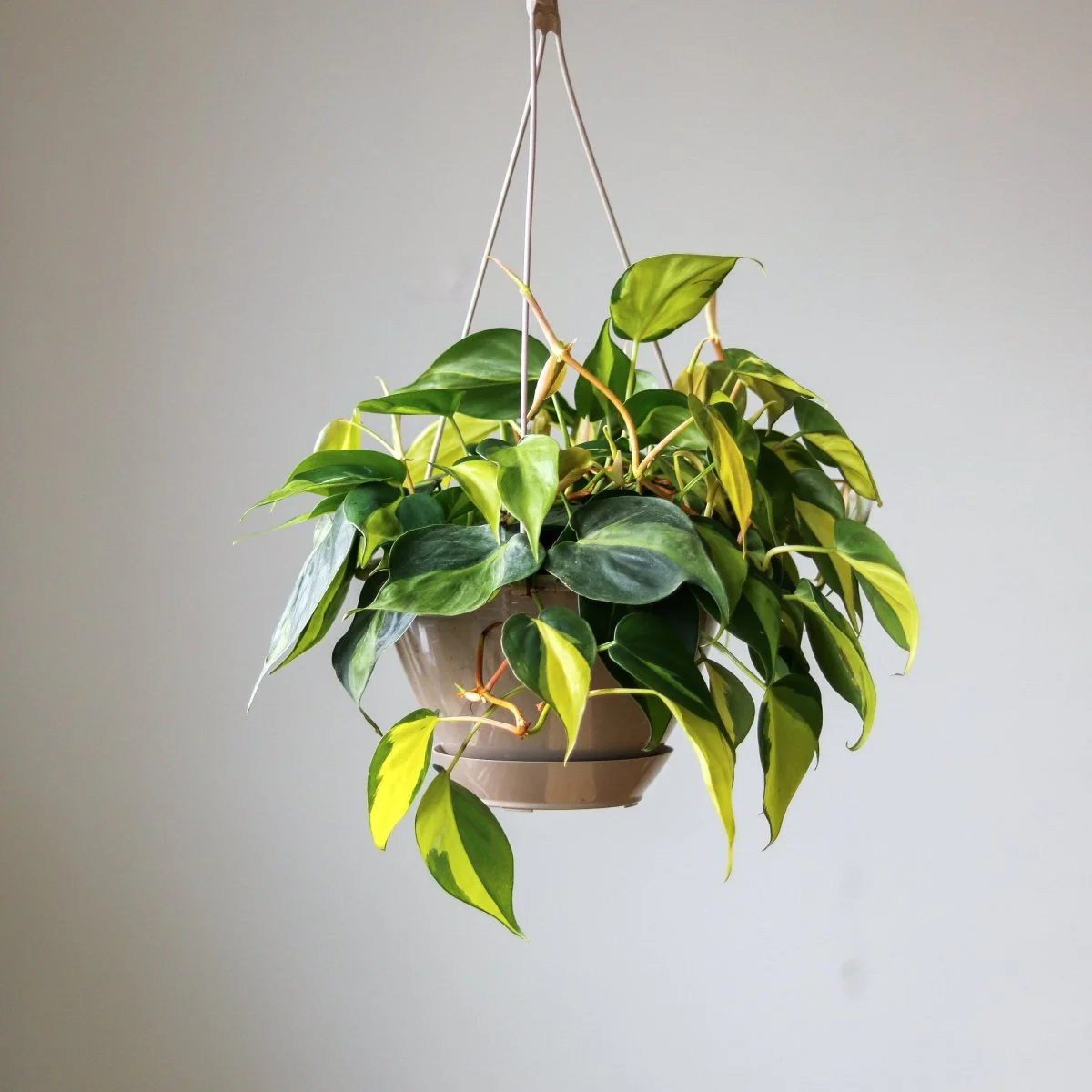
Philodendron Brasil
Characteristics: Heart-shaped leaves. Stunning yellow and green variegation. Fast-growing trailer.
Special care: Needs bright indirect light. To maintain variegation. One of the easiest varieties.
My experience: Grows like a weed. I propagate constantly. Give cuttings to everyone.
Philodendron Micans
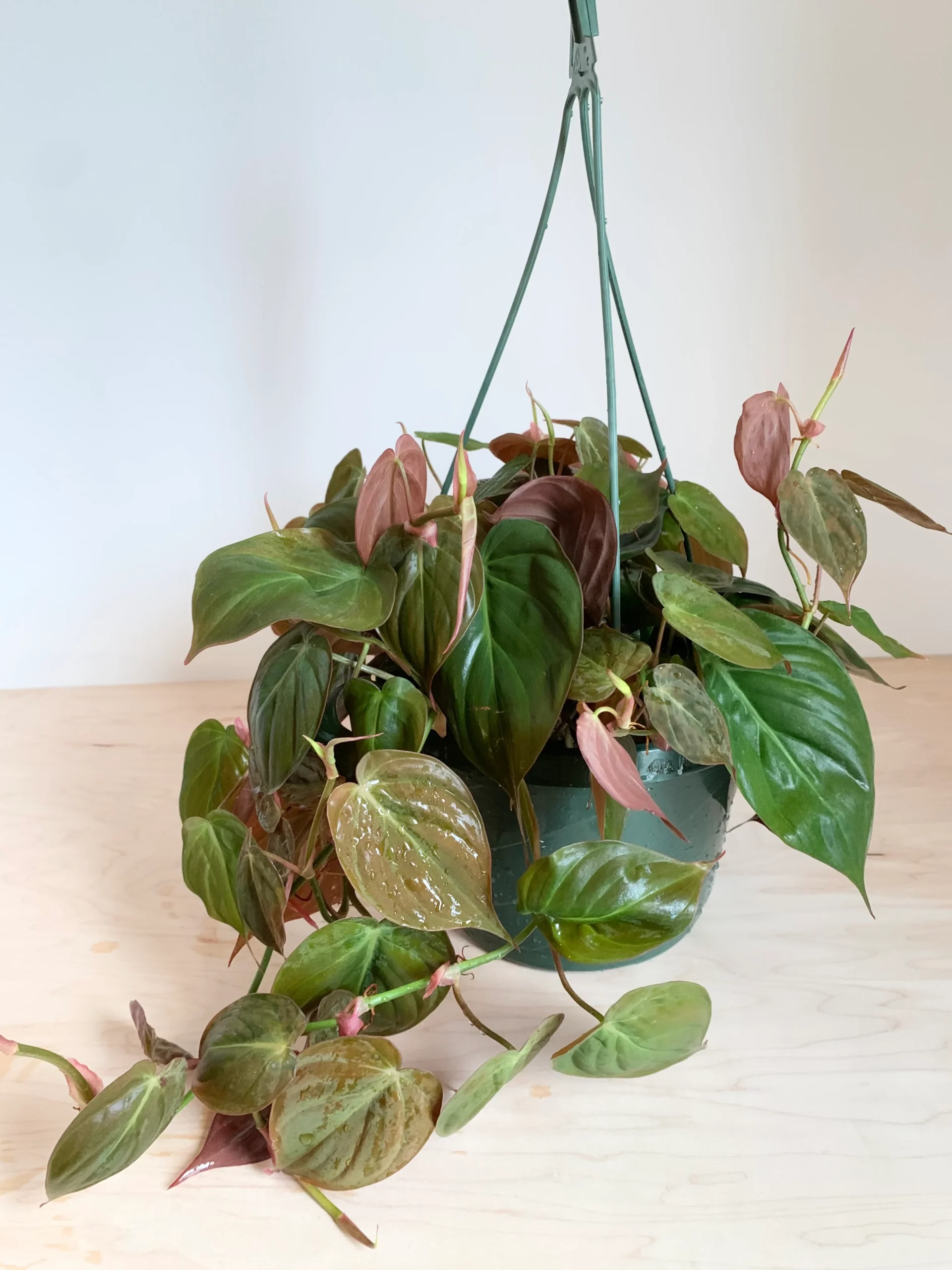
Characteristics: Velvety leaves. Burgundy undersides. Gorgeous texture. Trailing habit.
Special care: Appreciates higher humidity. For best leaf color and texture.
My experience: My most complimented plant. Everyone touches the velvety leaves.
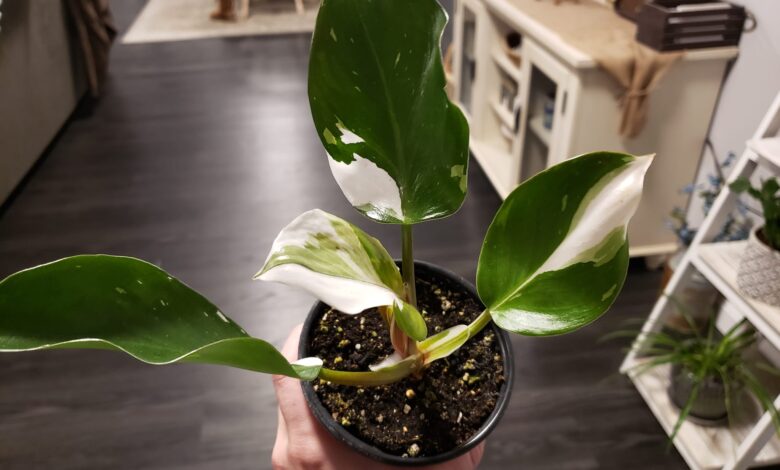
Philodendron Pink Princess
Characteristics: Dark green leaves. Stunning pink variegation. Highly sought-after. Expensive.
Special care: Needs bright indirect light. For pink coloration. Stable variegation but can revert.
My experience: Worth the investment. But definitely high-maintenance compared to others.
Philodendron Birkin
Characteristics: White pinstripe variegation. Compact grower. Self-heading type.
Special care: Needs good light. For clear white stripes. Can revert to solid green.
My experience: Beautiful but finicky. More prone to root rot than others.
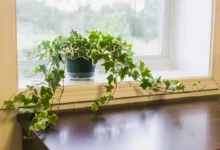
Heartleaf Philodendron (Hederaceum)
Characteristics: Classic variety. Small heart-shaped leaves. Incredibly easy. Fast-growing.
Special care: Nearly indestructible. Tolerates neglect. Perfect for beginners.
My experience: My first philodendron. Still thriving eight years later.
Philodendron Selloum (Tree Philodendron)
Characteristics: Large, deeply-lobed leaves. Self-heading. Can grow 6-8 feet wide.
Special care: Needs space. Likes consistent moisture. Not for small apartments.
My experience: Magnificent statement plant. But requires dedication to large size.
Philodendron Xanadu
Characteristics: Compact Selloum. Smaller lobed leaves. Self-heading. Stays manageable.
Special care: Same as Selloum. But in smaller package. Great for apartments.
My experience: Perfect compromise. Selloum looks without giant size.
Philodendron Prince of Orange
Characteristics: New leaves emerge bright orange. Fade to green. Self-heading.
Special care: Needs bright light. For best orange coloration.
My experience: Incredible color display. Worth seeking out.
Philodendron Lemon Lime
Characteristics: Bright chartreuse leaves. Trailing habit. Neon yellow-green.
Special care: Needs bright light. To maintain neon color. Fades in low light.
My experience: Adds incredible pop of color. Brightens any space.
Climbing vs Trailing: Which to Choose?
Understanding the differences helps you select the right plant.
Climbing Types
Pros:
- Larger leaves when supported
- Space-efficient (grow up, not out)
- Can cover walls or structures
- Natural growth pattern
Cons:
- Need support structures
- Require training and tying
- More maintenance
- Take up vertical space
Best for:
- Corners that need filling
- Rooms with high ceilings
- Creating living walls
- Smaller floor spaces
Trailing Types
Pros:
- Beautiful cascading vines
- Perfect for hanging baskets
- Low maintenance
- Easy to display
Cons:
- Take horizontal space
- Can become very long
- Need regular trimming
- Require high placement
Best for:
- Hanging baskets
- High shelves
- Bookcases
- Cascading displays
My Collection
I have both types. Climbing near walls. Trailing on shelves. Each serves different purposes.
Philodendron vs Pothos
People often confuse these. Here’s the difference.
Leaf Shape
Philodendron: True heart shape. Thinner leaves. Softer texture.
Pothos: Asymmetrical leaves. Thicker, waxier. More oval.
New Growth
Philodendron: New leaves emerge from cataphyll (sheath).
Pothos: New leaves emerge directly from stem.
Aerial Roots
Philodendron: Thin, wiry aerial roots along stem.
Pothos: Thicker, fewer aerial roots.
Care Differences
Both need similar care. But philodendrons:
- Appreciate slightly more humidity
- Prefer consistently moist soil
- Need slightly brighter light
Toxicity Warning
Important: All philodendrons are toxic to pets and humans.
They contain calcium oxalate crystals. These cause:
- Mouth and throat irritation
- Burning sensation
- Swelling
- Difficulty swallowing
- Vomiting if ingested
For Pets
Toxic to:
- Cats
- Dogs
- Rabbits
- Birds
- Small animals
Safety Measures
- Keep away from curious pets
- Place out of reach of children
- Wash hands after handling
- Don’t let pets chew leaves
- Clean up fallen leaves immediately
If ingestion occurs, contact veterinarian or poison control immediately.
Building Your Collection
Starting a philodendron collection is addictive. Here’s my advice.
Start with Easy Varieties
Begin with these bulletproof types:
- Heartleaf Philodendron
- Brasil
- Micans
- Lemon Lime
Master care basics first. Then branch into rare varieties.
Where to Buy
Local nurseries: See plants in person. Check health before buying.
Big box stores: Affordable. Good for common varieties. Check carefully for pests.
Online shops: Access to rare varieties. Can’t inspect before buying. Read reviews.
Plant swaps: Free or trade. Meet other collectors. Get propagations.
Private collectors: Rare varieties. Often well-cared-for plants. May be expensive.
Avoid Beginner Mistakes
Don’t do what I did:
- Buying too many at once
- Starting with rare, expensive varieties
- Not quarantining new plants
- Ignoring pest problems
- Over-collecting without space
My Collection Strategy
I buy one new variety every few months. This gives me time to learn its specific needs. Before adding another.
I also propagate constantly. Trading cuttings with other collectors. This builds collection without breaking budget.
Seasonal Care Adjustments
Care needs change throughout the year.
Spring (March-May)
- Resume regular fertilization
- Increase watering frequency
- Best time for repotting
- Start propagation projects
- Growth accelerates rapidly
Summer (June-August)
- Peak growing season
- Water more frequently
- Continue regular fertilizing
- Monitor for pests
- Provide consistent care
Fall (September-November)
- Gradually reduce watering
- Decrease fertilization frequency
- Growth begins slowing
- Last chance for propagation
- Move away from cold windows
Winter (December-February)
- Reduce watering significantly
- Stop or minimal fertilization
- Growth stops or slows dramatically
- Protect from cold drafts
- Don’t expect new growth
Conclusion: Why Philodendrons Win
After growing dozens of houseplant varieties, philodendrons remain my favorites. Here’s why.
The Perfect Balance
They’re easy enough for beginners. But interesting enough for experienced collectors. You can start with a $5 heartleaf. And graduate to rare varieties costing hundreds.
Endless Variety
With 450+ species and countless cultivars, you’ll never run out of new philodendrons to try. Each one offers unique characteristics. Different colors. Patterns. Shapes. Growth habits.
Forgiving Nature
They tolerate mistakes. Missed watering? They bounce back. Imperfect light? They adapt. Forgot to fertilize? They keep growing.
This forgiveness builds confidence. Especially for new plant parents.
Propagation Joy
The ability to easily propagate means endless free plants. Share with friends. Expand your collection. Trade for other varieties.
I’ve given away dozens of philodendron cuttings. Each one connected me with other plant lovers.
The Keys to Success
Remember these fundamentals:
- Medium indirect light for most varieties
- Water when top 1-2 inches dry (every 5-10 days typically)
- Well-draining soil with perlite added
- Support for climbing types encourages larger leaves
- Regular fertilization during growing season
- Propagate freely – they root easily
My Philodendron Journey
That grocery store heartleaf started everything. It’s still growing. Still thriving. Now accompanied by fourteen other varieties.
Some trail from shelves. Others climb moss poles. A few create living walls. Together, they’ve transformed my apartment into a jungle.
Your philodendron journey starts with one plant. Choose any variety that speaks to you. Give it basic care. Then watch it reward you with vigorous, beautiful growth.
Before you know it, you’ll be searching for more shelf space. And explaining to friends why you “need” another philodendron when you already have ten.
Trust me. It’s a wonderful problem to have.